Brain Hygiene and Health Equity: Reimaging the Approach to Sleep in Mental Health Care
Companies Mentioned
Why It Matters
Prioritizing sleep can boost therapeutic response, cut long‑term costs, and close a health‑equity gap in psychiatric treatment.
Key Takeaways
- •Sleep disorders amplify depression and anxiety risk.
- •Brain waste clearance occurs during uninterrupted sleep.
- •Obstructive sleep apnea linked to dementia and brain fog.
- •Wealthier patients receive integrated sleep‑mental health evaluations.
- •Home sleep testing can democratize access to care.
Pulse Analysis
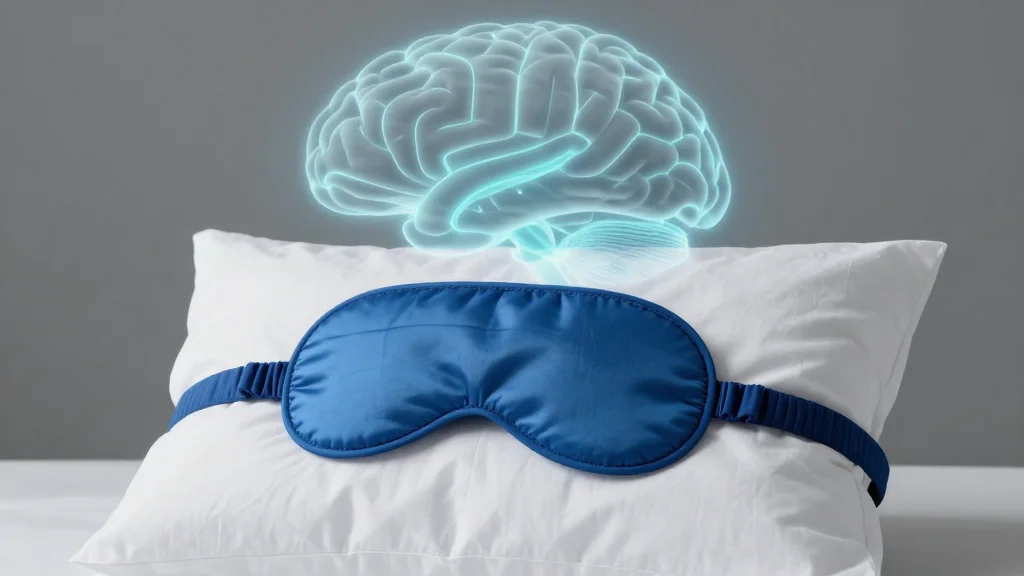
Sleep is more than rest; it is a nightly brain‑cleansing process that removes metabolic by‑products and excess hormones. When this clearance is disrupted by conditions such as obstructive sleep apnea, the brain retains toxic debris, leading to chronic fog, memory lapses, and a heightened risk of dementia. Those neurological impairments often manifest as depression or anxiety, undermining the effectiveness of conventional psychotherapy and medication. Recognizing sleep as a foundational pillar reframes mental‑health diagnostics, positioning sleep studies as a preventive measure rather than an afterthought.
The disparity in sleep‑related mental‑health care is stark. Patients in affluent academic centers routinely undergo polysomnography or home‑based sleep assessments as part of psychiatric intake, while those in rural or low‑income communities face a shortage of otolaryngologists and sleep specialists. This inequity translates into higher rates of untreated sleep apnea, poorer mental‑health outcomes, and increased overall health‑care expenditures for underserved populations. For providers and payers, the business case is clear: integrating sleep screening can reduce hospital readmissions, lower medication reliance, and improve patient satisfaction across demographic lines.
Decentralized solutions are emerging to bridge the gap. Portable home sleep testing kits, coupled with tele‑medicine interpretation, enable clinicians to diagnose and initiate treatment without specialist travel. Insurance carriers are beginning to reimburse these devices, recognizing their cost‑effectiveness. Moreover, digital therapeutics that deliver CPAP adherence coaching and cognitive‑behavioral therapy for insomnia are scaling rapidly. By embedding sleep diagnostics as the first step in mental‑health protocols, health systems can unlock better outcomes, drive operational efficiency, and advance health equity nationwide.
Brain Hygiene and Health Equity: Reimaging the Approach to Sleep in Mental Health Care
Comments
Want to join the conversation?
Loading comments...