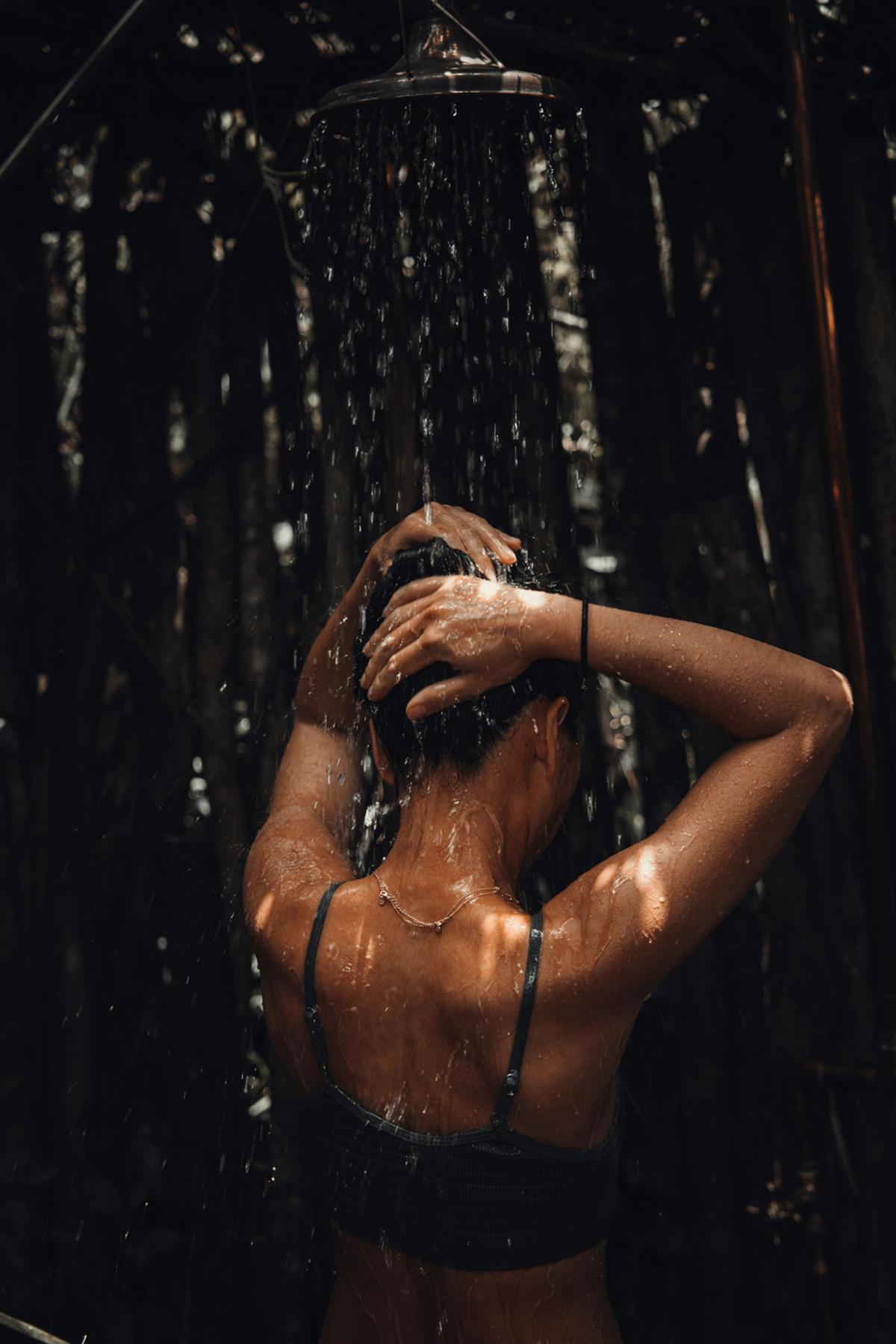
Can Dark Showering Really Improve Your Sleep?
Why It Matters
The practice links a viral self‑care habit to measurable sleep‑quality benefits, offering a low‑cost, easily adoptable tool for consumers seeking better rest. It also underscores how simple environmental tweaks can reinforce broader sleep‑hygiene strategies.
Key Takeaways
- •Dark showering reduces light exposure, supporting melatonin production
- •Warm showers 104‑108.5°F improve sleep when taken >1 hour before bed
- •Safety requires dim lighting or candles, avoiding total darkness
- •Ayurvedic Snāna ritual mirrors modern findings on temperature regulation
- •Pair dark showering with screen limits and a 65‑68°F bedroom
Pulse Analysis
The rise of dark showering illustrates how social media can revive ancient wellness concepts for a modern audience. Rooted in Ayurvedic Snāna—a mindful bathing ritual designed to calm the nervous system—the trend has been repackaged as a nighttime sleep hack. Influencers showcase candlelit tubs and blackout bathrooms, positioning the practice as a simple, spa‑like ritual that signals the brain to wind down. By stripping away harsh bathroom lighting, users create a dim environment that aligns with the body’s natural circadian rhythm, encouraging melatonin release and reducing evening alertness.
Scientific research backs two core mechanisms behind the trend: temperature regulation and light exposure. A 2019 meta‑analysis of 17 studies found that showers or baths between 104°F and 108.5°F, taken at least an hour before bedtime, improve sleep latency and depth by first raising core temperature then prompting a rapid cooldown. Simultaneously, studies on photic input confirm that bright light in the evening suppresses melatonin, while dim lighting—like candlelight—facilitates its production. However, safety remains a concern; total darkness increases slip risk, so experts advise using low‑level illumination, non‑slip mats, and a decluttered shower space.
Integrating dark showering into a comprehensive sleep‑hygiene routine can amplify its benefits. Pair the practice with screen‑time reduction, a cool bedroom setpoint of 65‑68°F, and consistent wind‑down activities such as light reading or gentle foot massage. For consumers, the approach offers a cost‑effective alternative to high‑tech sleep aids, while brands in home‑wellness and sleep tech can leverage the trend for product bundles—think aromatherapy candles, waterproof nightlights, and anti‑slip accessories. As evidence accumulates, dark showering may shift from niche fad to a mainstream recommendation for better sleep health.
Can Dark Showering Really Improve Your Sleep?
Comments
Want to join the conversation?
Loading comments...