Can Food Actually Be Medicine? These Doctors Say Yes
Why It Matters
Integrating food‑based prescriptions can improve chronic‑disease outcomes while reducing reliance on costly pharmaceuticals, reshaping preventive care models. The trend signals a systemic shift toward holistic, cost‑effective treatment strategies in American healthcare.
Key Takeaways
- •Over 60 U.S. medical schools now teach culinary‑medicine curricula
- •Tulane's 2012 teaching kitchen sparked a national “Food Is Medicine” movement
- •Courses blend case studies with hands‑on cooking to address chronic disease
- •Graduates expect to prescribe affordable, disease‑targeted meals alongside drugs
Pulse Analysis
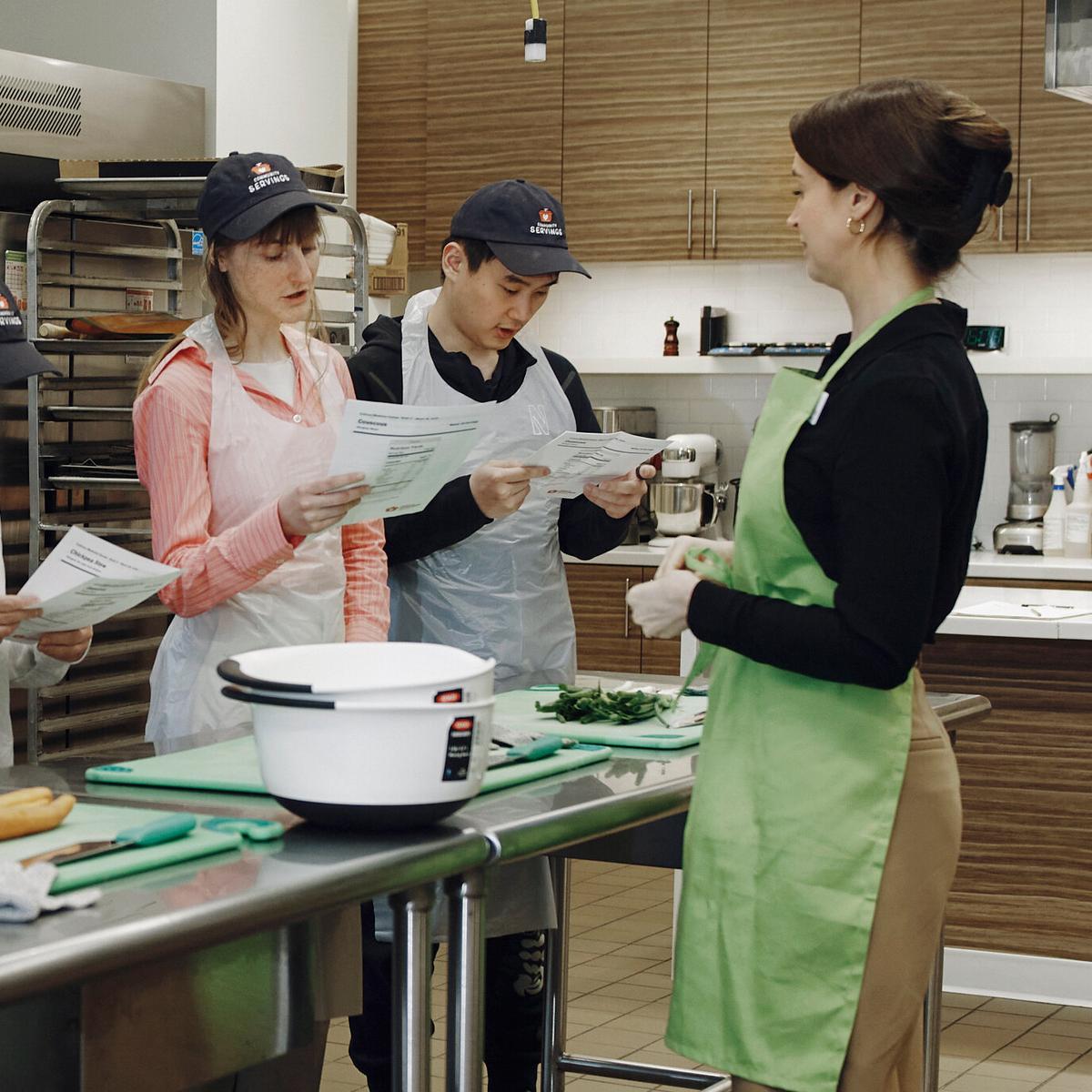
The culinary‑medicine wave began in 2012 when Tulane University opened the nation’s first teaching kitchen, formalizing a curriculum that treats nutrition as a clinical intervention. Since then, the American College of Culinary Medicine has adapted the model, and more than 60 medical, dental and nursing schools now offer hands‑on cooking labs alongside traditional lectures. This rapid adoption reflects growing evidence that diet can modify disease pathways, prompting educators to equip future clinicians with practical kitchen skills.
Research linking specific dietary patterns to reduced hypertension, diabetes and cardiovascular risk is driving the shift from prescription pills to prescription plates. By training physicians to prescribe affordable, disease‑targeted meals, schools aim to lower medication costs and improve patient adherence, especially in underserved communities where food access is a barrier. Early pilot programs report better glycemic control and patient satisfaction, suggesting that culinary medicine can complement existing treatment protocols and enhance preventive care outcomes.
Scaling the model faces hurdles, including limited funding for teaching kitchens, the need for standardized accreditation, and integrating nutrition counseling into already packed clinical visits. Policymakers are watching the movement, with some insurers exploring reimbursement for diet‑based interventions. As evidence accumulates and cost‑benefit analyses become clearer, culinary medicine could become a staple of medical education, reshaping how doctors address chronic illness and positioning the kitchen as a core component of the healthcare ecosystem.
Can Food Actually Be Medicine? These Doctors Say Yes
Comments
Want to join the conversation?
Loading comments...