Caring for an Autistic Child Amid War and Uncertainty
Why It Matters
The story highlights the urgent need for scalable mental‑health infrastructure in war zones, where caregivers and autistic children face amplified psychological risks. It signals opportunities for NGOs, donors, and policymakers to invest in resilient, low‑cost therapeutic models.
Key Takeaways
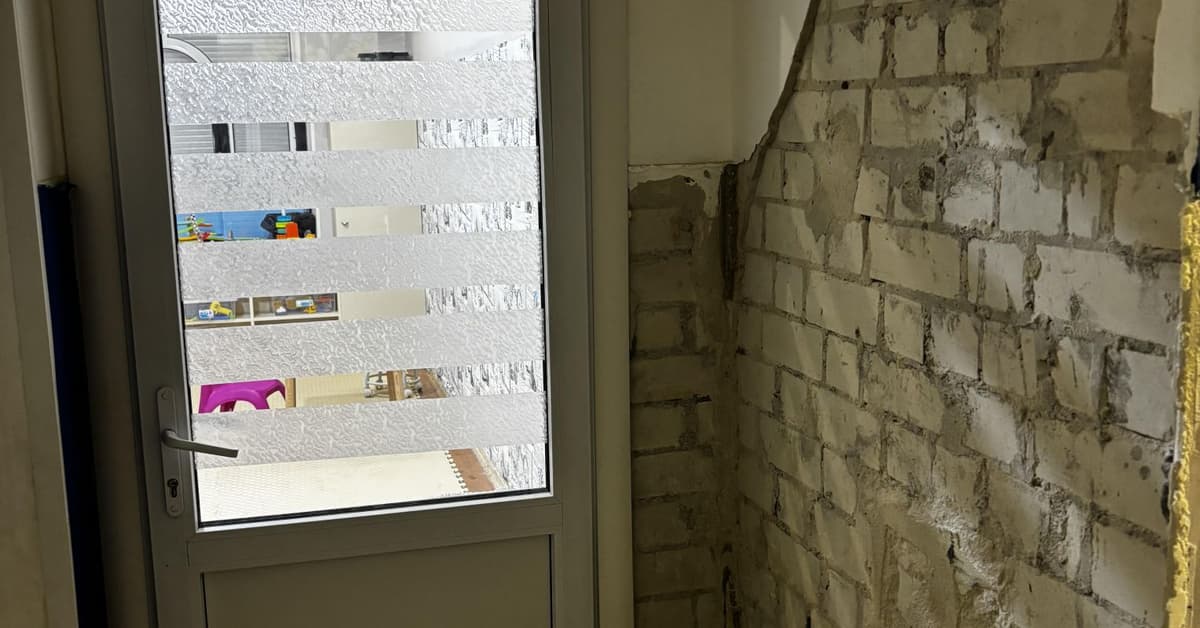
- •Nataliia founded Kyiv autism center, now damaged by missile vibrations.
- •Center provides therapy and parent coaching despite power outages.
- •War‑related stress spikes anxiety, depression, burnout among caregivers.
- •Children with autism face heightened emotional regulation challenges in conflict zones.
- •NGO aims to offer free early‑development services to all Ukrainian autistic children.
Pulse Analysis
The protracted Russo‑Ukrainian conflict has turned everyday caregiving into a high‑stakes survival task, especially for families of children with developmental disabilities. A growing body of research shows that continuous exposure to bombings, displacement and resource scarcity fuels anxiety, depression and burnout among both parents and mental‑health professionals. In this environment, traditional service delivery models crumble, creating a vacuum that community‑driven initiatives must fill. For investors and humanitarian actors, the crisis underscores a market gap for adaptable, low‑tech therapeutic interventions that can operate without reliable electricity or stable facilities.
Nataliia Ukrainets’ autism center exemplifies a grassroots response that blends therapy, parent education and infrastructure repair under fire. By leveraging movement‑based activities and individualized coping strategies, the center maintains continuity of care even when walls crumble and generators fail. Her approach—providing brief solitary breaks for her son Vladyslav to self‑regulate—mirrors evidence‑based practices that mitigate emotional lability in war‑exposed children. This model demonstrates how localized expertise can generate measurable outcomes, such as Vlad’s successful transition to first grade, while simultaneously bolstering caregiver resilience.
Looking ahead, the scalability of Nataliia’s nonprofit hinges on strategic partnerships, donor funding and policy support that prioritize free, early‑development services across Ukraine’s displaced and frontline populations. Stakeholders can leverage her blueprint to design modular therapy kits, remote training for parents, and rapid‑repair protocols for damaged facilities. By investing in such resilient frameworks, the international community not only addresses an immediate humanitarian need but also cultivates a replicable template for mental‑health delivery in any conflict‑affected region.
Caring for an Autistic Child Amid War and Uncertainty
Comments
Want to join the conversation?
Loading comments...