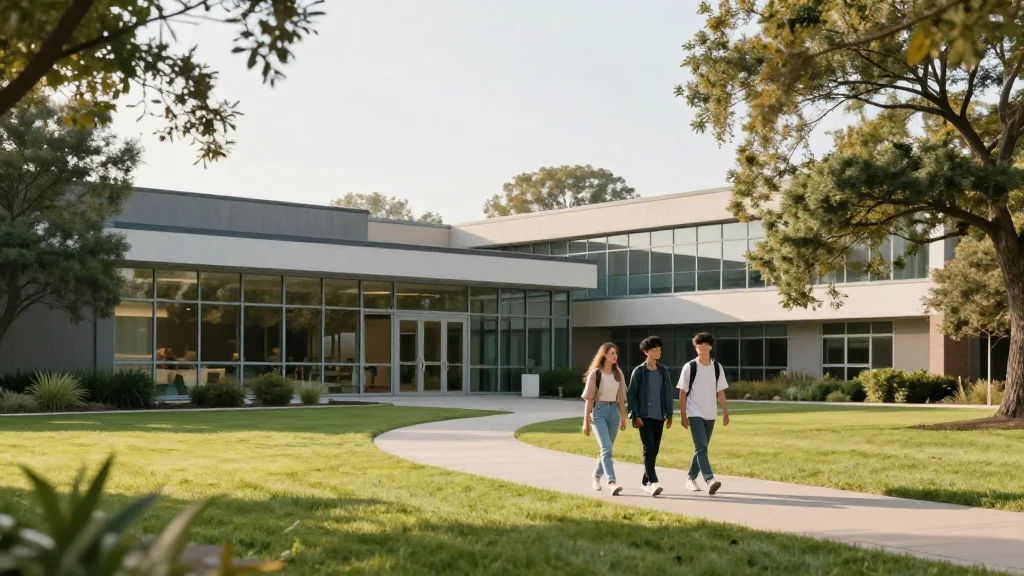
Centerstone Launches $13 Million Youth Resiliency Campus in Springfield

Why It Matters
The Springfield campus marks a concrete step toward addressing the shortage of coordinated youth mental‑health services in the Midwest. By consolidating crisis stabilization, residential care and outpatient therapy, the facility reduces fragmentation that often forces families to navigate multiple providers and travel long distances. Early data on reduced hospitalizations could validate the cost‑effectiveness of integrated models, prompting policymakers to allocate more resources toward similar hubs. Moreover, the project's funding blend—federal recovery funds, state budget, and local allocations—demonstrates a collaborative financing framework that other jurisdictions can emulate. As teen mental‑health challenges rise, the campus offers a scalable blueprint for delivering comprehensive, youth‑centered care while fostering community trust and engagement.
Key Takeaways
- •Centerstone opened a 27,858‑sq‑ft Youth Resiliency Campus in Springfield on April 9.
- •The $13 million facility includes a 24/7 crisis center, 20‑bed residential unit, partial‑hospitalization and intensive outpatient programs.
- •Funding sources: $5.3 M Greene County ARPA allocation, $5 M state budget, $1 M Missouri Dept. of Mental Health.
- •Facility features a gym, art and music rooms, and outdoor recreation space to support holistic treatment.
- •Officials anticipate reduced acute hospitalizations and faster access to mental‑health services for teens.
Pulse Analysis
Centerstone’s Springfield campus arrives at a pivotal moment when the nation grapples with a surge in adolescent mental‑health emergencies. Traditional service delivery—often split between emergency departments, separate residential facilities and fragmented outpatient clinics—has proven inadequate, leading to longer wait times and higher costs. By co‑locating these services, Centerstone not only streamlines care pathways but also creates a therapeutic environment that feels less institutional and more supportive, a factor that research increasingly links to better engagement and outcomes.
Financially, the mixed‑source funding model mitigates risk for any single stakeholder and showcases how federal recovery dollars can be leveraged for long‑term community health infrastructure. This approach could inspire other states to pursue similar public‑private partnerships, especially as Medicaid budgets tighten and the demand for youth services climbs. If the campus meets its targets for reducing inpatient admissions, it may provide the empirical backing needed to secure additional legislative support for integrated care hubs.
Looking forward, the real test will be the campus’s ability to scale its impact beyond Springfield. Replication will require careful adaptation to local demographics, workforce capacity and funding landscapes. However, the Springfield model offers a compelling case study: a purpose‑built environment, backed by cross‑government financing, that prioritizes early intervention and holistic well‑being. As more data emerges, stakeholders—from insurers to policymakers—will watch closely to gauge whether this integrated campus can become the new standard for youth mental‑health delivery in the United States.
Centerstone Launches $13 Million Youth Resiliency Campus in Springfield
Comments
Want to join the conversation?
Loading comments...