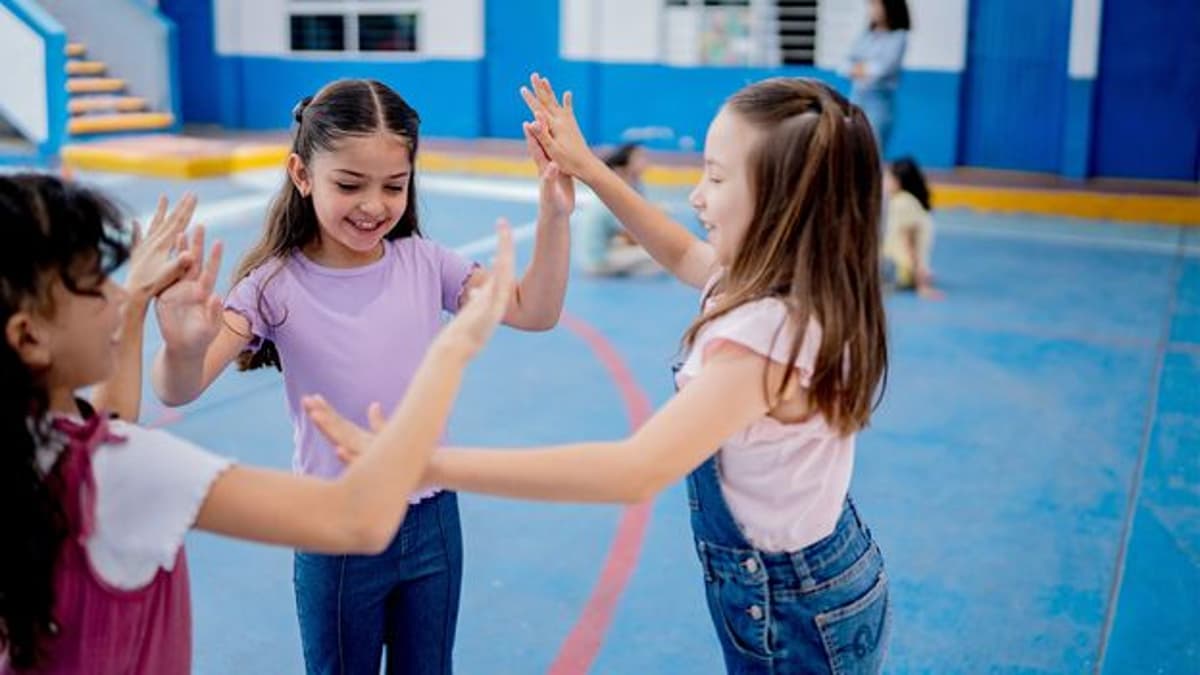
Children Need to Move More. Here's How to Help
Why It Matters
Increasing children's physical activity directly tackles the obesity epidemic while boosting academic outcomes, making it a critical public‑health and educational priority.
Key Takeaways
- •Global child inactivity linked to rising obesity rates.
- •60 minutes daily activity improves BMI, cognition, and lifelong health.
- •After‑school exercise programs boost academic scores and reduce body fat.
- •Simple classroom movement breaks cut waist‑to‑hip ratio by 8%.
- •Parental involvement and choice increase sustained physical activity in kids.
Pulse Analysis
The decline in children’s movement is more than a lifestyle issue; it represents a looming economic burden for health systems. Sedentary habits drive higher rates of obesity, type‑2 diabetes, and cardiovascular disease, translating into billions of dollars in medical costs and lost productivity. By framing physical activity as a preventive investment, policymakers can justify funding for school‑based programs and community infrastructure that encourage active play, ultimately reducing long‑term fiscal pressures.
A growing body of research underscores the multifaceted benefits of regular exercise for youth. Longitudinal studies link consistent activity to lower body‑mass index, improved waist‑to‑hip ratios, and stronger cardiorespiratory fitness, which in turn supports neural development. Children who engage in moderate‑to‑vigorous activity demonstrate sharper attention, faster reaction times, and higher academic achievement. These cognitive gains reinforce the argument that physical education is not ancillary but integral to educational outcomes, prompting school districts to embed movement into curricula beyond traditional PE periods.
Practical implementation hinges on collaboration among educators, parents, and urban planners. Simple interventions—such as standing prompts during lessons, active recess equipment, and after‑school sport clubs—have yielded measurable health improvements without substantial budget increases. Parental modeling and shared activities amplify these effects, fostering lifelong habits. As technology continues to dominate leisure time, creating attractive, low‑cost opportunities for unstructured play will be essential to reverse the inactivity trend and secure a healthier, more productive next generation.
Children need to move more. Here's how to help
Comments
Want to join the conversation?
Loading comments...