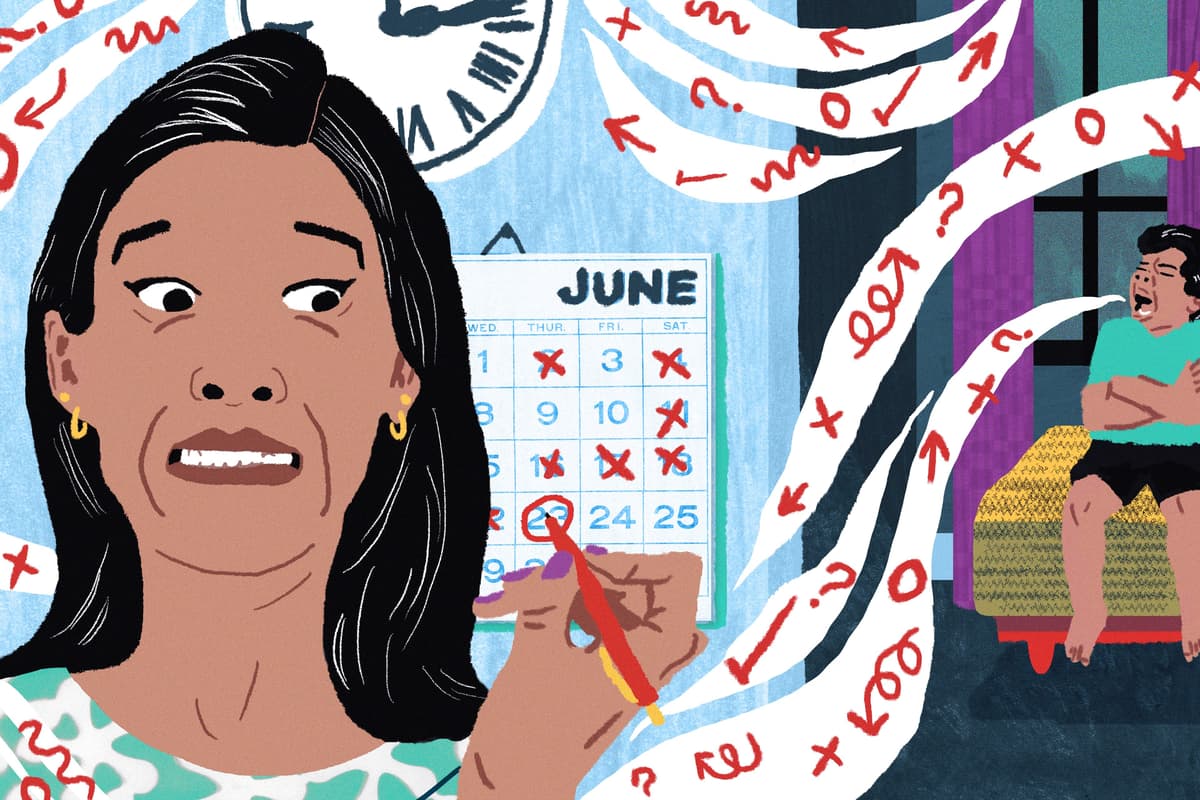
Could Your Kid Benefit From Counseling? Experts Offer 3 Questions To Help You Decide
Why It Matters
Early detection of child mental‑health issues can curb chronic problems and lower long‑term costs, while clear cost information lets families plan for therapy responsibly.
Key Takeaways
- •Frequency, duration, intensity guide need for child therapy.
- •Average out‑of‑pocket cost ~ $150 per session in 2023.
- •Many therapists leave insurance due to low reimbursement and paperwork.
- •ACEs like divorce or abuse often trigger counseling even without overt symptoms.
- •Parents should balance subjective judgment with professional guidance.
Pulse Analysis
Child mental health has moved to the forefront of public discourse, driven by rising rates of anxiety, depression, and behavioral disorders among youth. Professionals recommend a pragmatic triad—frequency, duration, intensity—to separate typical developmental challenges from issues that merit professional intervention. By applying these measurable signals, parents can make evidence‑based decisions rather than reacting to isolated incidents, fostering early support that can improve academic performance, social integration, and long‑term emotional resilience.
The financial reality of therapy, however, remains a significant barrier for many families. Recent Health Affairs data show an average out‑of‑pocket cost of roughly $150 per session in 2023, with some private practitioners charging $195 or more. Compounding the issue, a growing number of counselors are opting out of insurance networks because reimbursement rates are low and administrative requirements are burdensome. This shift pushes more families toward cash‑pay models, underscoring the need for transparent pricing and alternative funding sources such as school‑based programs, sliding‑scale clinics, and tele‑health options.
Beyond cost, the broader policy environment influences how parents approach counseling. Awareness of adverse childhood experiences (ACEs) has expanded, linking events like divorce, abuse, or household mental illness to heightened risk for later disorders. While experts caution against pathologizing normal behavior, they also emphasize that timely professional help can mitigate the lasting impact of ACEs. For parents, the takeaway is clear: combine objective criteria with professional guidance, consider financial planning, and stay informed about community resources to ensure children receive the support they need without unnecessary delay.
Could Your Kid Benefit From Counseling? Experts Offer 3 Questions To Help You Decide
Comments
Want to join the conversation?
Loading comments...