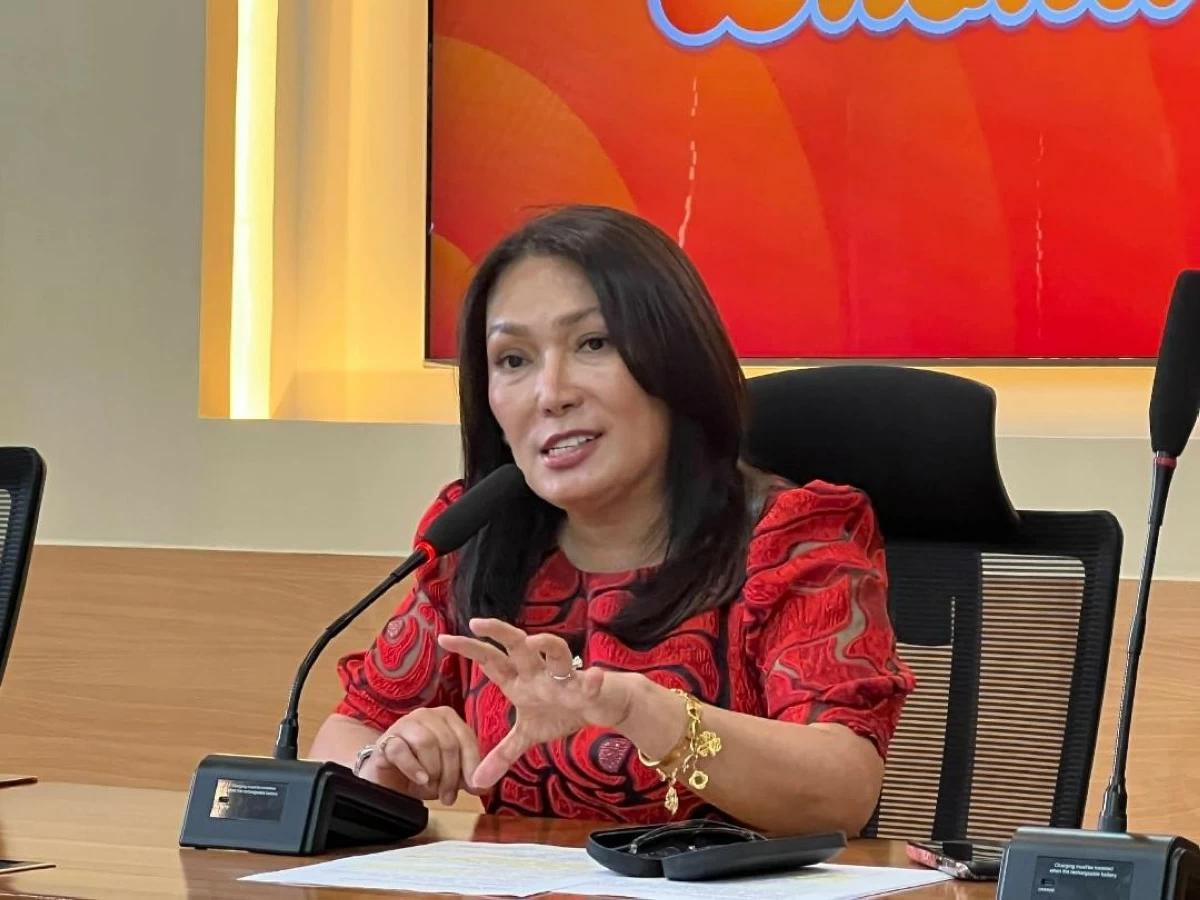
Davao City Pushes Health-Oriented Food Ordinances
Why It Matters
By mandating transparent nutritional information, Davao aims to curb diet‑related diseases and empower consumers, setting a precedent for municipal food‑labeling in the Philippines. Successful rollout could influence other Philippine cities to adopt similar public‑health policies.
Key Takeaways
- •Davao City proposes front‑of‑package nutrition labels and calorie counts.
- •Ordinance rollout will start with large restaurants, then SMEs.
- •Enforcement will rely on national agencies for technical guidance.
- •City may merge two measures into a single nutrition ordinance.
- •Proposed mobile app will give users real‑time nutrient data.
Pulse Analysis
Globally, front‑of‑package nutrition labeling has become a cornerstone of public‑health strategy, helping consumers make informed choices amid rising obesity and diabetes rates. In the Philippines, lifestyle‑related illnesses account for a significant share of healthcare costs, prompting local governments to explore regulatory solutions. Davao City’s draft "Nutritional Transparency and Food Safety Labeling Ordinance" aligns with this trend, aiming to bring the same level of clarity found in markets like the United States and the European Union to Filipino diners and shoppers.
The ordinance adopts a phased rollout, beginning with large restaurant chains that possess the resources to conduct laboratory testing and display detailed calorie and nutrient information. Smaller eateries, carinderias, and kiosks will follow once technical assistance from the Department of Health, DOST‑FNRI, and the FDA is in place. By referencing existing nutrition databases and modeling common Filipino dishes, the city hopes to lower compliance barriers. Lessons from Quezon City’s earlier labeling law are being incorporated to avoid pitfalls such as inconsistent enforcement and industry pushback, while the decision to focus on penalties rather than incentives underscores a firm regulatory stance.
If implemented effectively, Davao’s approach could shift consumer behavior toward lower‑sugar, lower‑sodium options, especially for high‑risk groups like diabetics. The proposed mobile app, which would pull standardized nutrient data from national labs, adds a digital layer that empowers individuals to track intake in real time. Success here may inspire other municipalities across the archipelago to adopt similar labeling frameworks, potentially catalyzing a broader national movement toward nutritional transparency and healthier food environments.
Davao City pushes health-oriented food ordinances
Comments
Want to join the conversation?
Loading comments...