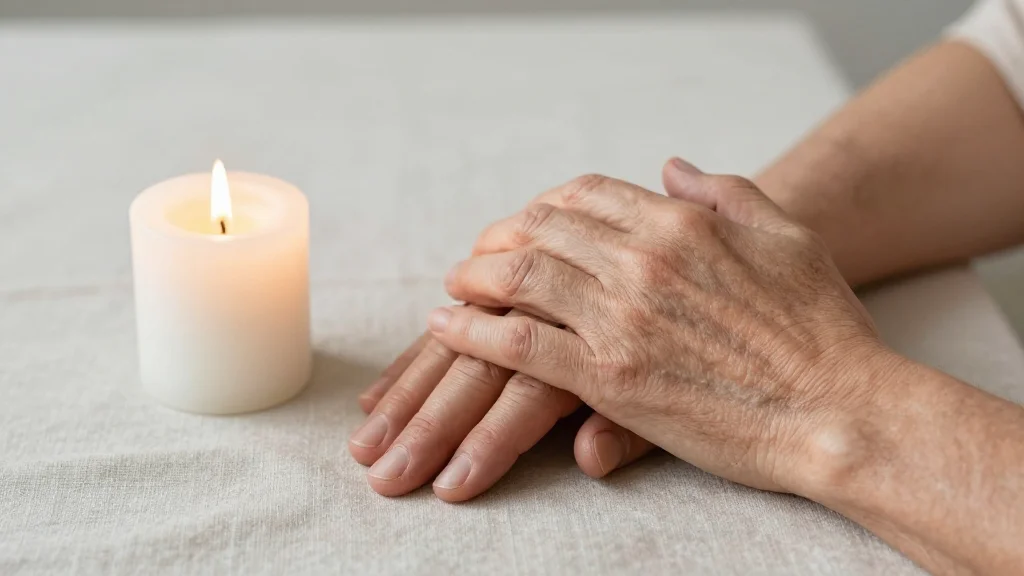
Death Doulas Surge in UK, Celebs Train as 'Soul Midwives' Amid Wellness Push

Why It Matters
The emergence of death doulas reframes wellness to include the end of life, challenging the traditional separation between medical treatment and emotional support. By restoring communal knowledge about dying, doulas help families confront grief with informed compassion, potentially reducing long‑term mental‑health burdens. If integrated into mainstream health systems, the doula model could lower costs associated with unnecessary hospital stays and bereavement services, while enhancing patient autonomy. The movement also raises policy questions about regulation, training standards, and reimbursement, all of which will shape the future of holistic care.
Key Takeaways
- •114 new death doulas joined End of Life Doula UK in 2025, marking rapid sector growth.
- •Hourly fees range from £25‑£45 ($32‑$57), with some practitioners offering free services.
- •Celebrities Nicole Kidman, Ruby Wax and Davina McCall are training as end‑of‑life doulas.
- •Doulas provide emotional support, practical admin help, and education on physiological signs of dying.
- •Potential policy reviews could formalize doula credentials and integrate them into NHS care pathways.
Pulse Analysis
The death‑doula surge reflects a broader cultural shift: wellness is no longer confined to fitness or nutrition but now embraces the full life cycle, including mortality. Historically, Western societies have outsourced death to institutions, eroding communal rituals and leaving families ill‑prepared. The doula model re‑introduces a personalized, narrative‑based approach that aligns with the growing demand for mental‑health‑focused services.
From a market perspective, the sector sits at the intersection of health‑tech, private caregiving, and the gig economy. As demand rises, we can expect a wave of platform‑based matchmaking services, similar to those that disrupted maternity doula markets. However, scaling will hinge on standardizing training and establishing clear quality metrics—areas where the NHS and private insurers may soon intervene.
Looking forward, the integration of death doulas into formal health pathways could catalyze new research on bereavement outcomes and cost‑effectiveness. If early studies demonstrate reduced hospital readmissions and lower rates of complicated grief, policymakers may adopt reimbursement models that mirror those for palliative care. In that scenario, the wellness industry would have successfully expanded its remit to the final chapter of life, turning a historically taboo topic into a mainstream, evidence‑based service.
Death Doulas Surge in UK, Celebs Train as 'Soul Midwives' Amid Wellness Push
Comments
Want to join the conversation?
Loading comments...