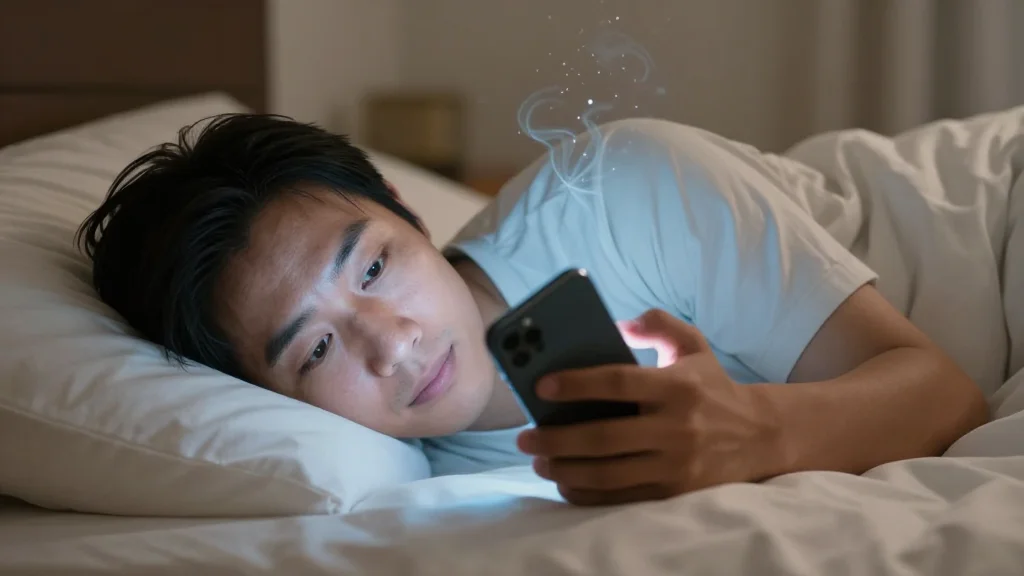
Disrupted Sleep Is the Primary Pathway Linking Problematic Social Media Use to Reduced Wellbeing
Why It Matters
The findings highlight sleep health as a practical intervention point for mitigating the mental‑health risks of compulsive social‑media use, informing clinicians, employers, and platform designers.
Key Takeaways
- •Problematic social media use predicts later depression and anxiety.
- •Insomnia mediates the link between social media use and mental distress.
- •Sleep quality partially mediates depression and anxiety, but insomnia drives wellbeing decline.
- •Female users show greater wellbeing loss from compulsive social media use.
- •Targeting insomnia could break the social media‑mental health chain.
Pulse Analysis
The surge in digital connectivity has sparked intense debate over whether heavy social‑media use harms mental health. Earlier research produced contradictory results, often because studies were cross‑sectional or failed to isolate the mechanisms at play. This new longitudinal investigation, spanning nine months and involving 437 university‑age participants, fills that gap by tracking changes in social‑media habits, sleep patterns, and psychological outcomes over time. By employing validated questionnaires and rigorous attention checks, the study offers a robust view of how compulsive online behavior evolves into mental‑health challenges.
Results reveal a nuanced cascade: problematic social‑media use consistently predicts heightened depressive and anxiety symptoms, but the strength of this link hinges on sleep disruption. Insomnia—characterized by difficulty falling or staying asleep—emerges as the strongest mediator, fully accounting for the decline in overall wellbeing, while broader sleep‑quality measures only partially explain depression and anxiety. Notably, female participants exhibited a sharper drop in wellbeing when their social‑media use was compulsive, suggesting gender‑specific vulnerabilities tied to social comparison and cyber‑bullying exposure.
For practitioners and policymakers, the study underscores sleep interventions as a low‑cost, high‑impact strategy to blunt the mental‑health fallout of excessive screen time. Cognitive‑behavioral therapy for insomnia, sleep‑hygiene education, and platform‑level design tweaks (e.g., limiting night‑time notifications) could disrupt the identified pathway. Future research should expand beyond young adults, differentiate between apps, and test whether improving sleep directly reduces the downstream emotional toll of problematic social‑media use. As digital habits continue to shape daily life, safeguarding sleep may become a cornerstone of public‑health approaches to digital wellbeing.
Disrupted sleep is the primary pathway linking problematic social media use to reduced wellbeing
Comments
Want to join the conversation?
Loading comments...