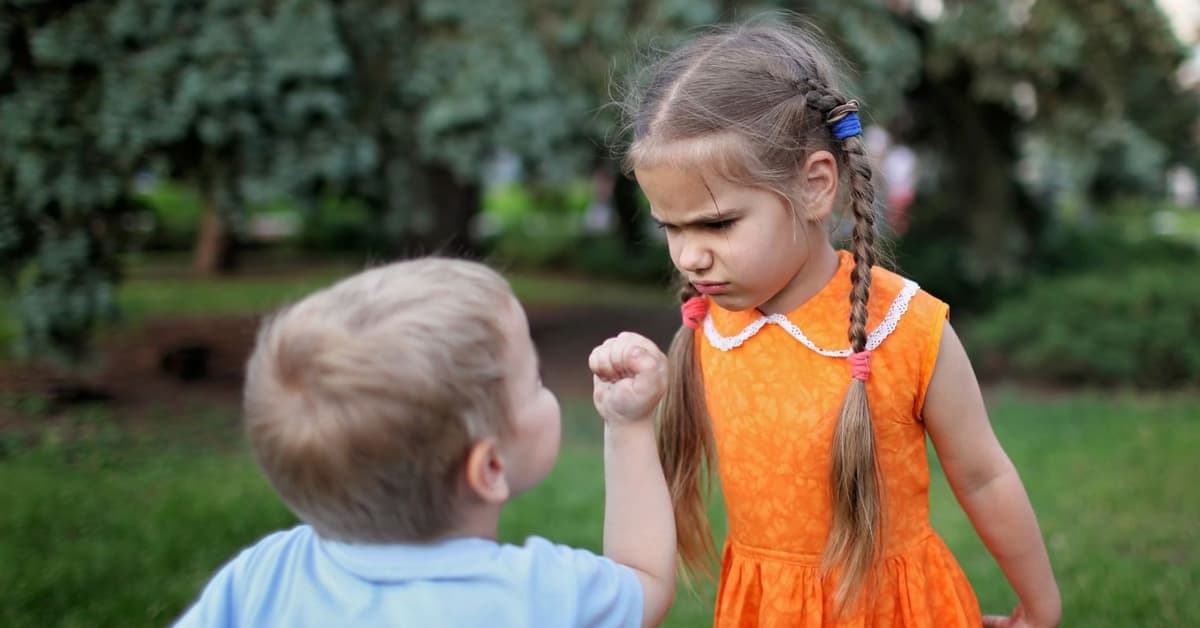
Do You Want Your Kids Arguing Like a Politician?
Why It Matters
These learned conflict habits erode social cohesion and can diminish future workforce productivity, making early intervention crucial for both individual well‑being and broader economic health.
Key Takeaways
- •Kids mimic political hostility, linking it to higher bullying rates.
- •Social media amplifies contempt, criticism, defensiveness, stonewalling as success cues.
- •Parental labeling of destructive patterns builds empathy and healthier conflict skills.
- •Modeling respectful disagreement reduces anxiety and improves future workplace relationships.
- •Early exposure to constructive conflict predicts stronger long‑term personal and professional success.
Pulse Analysis
The rise of polarized politics and algorithm‑driven feeds has turned public discourse into a masterclass in aggression. Drawing on Bandura’s social learning theory, Rutledge explains that children absorb not only the content of political debates but the very tactics—personal attacks, contempt, and stonewalling—that dominate headlines. This exposure creates a feedback loop where attention is rewarded for hostility, reinforcing the notion that power is measured by domination rather than dialogue. As a result, the developmental window when social circuitry is most malleable becomes saturated with destructive conflict cues.
Empirical studies cited in the article connect this media diet to measurable social harms. Bullying incidents rise in communities with high political tension, while adolescents exposed to relentless criticism and contempt show lower empathy scores and heightened anxiety. Gottman’s four horsemen—criticism, contempt, defensiveness, stonewalling—once confined to marital research now appear in schoolyard interactions, indicating that the patterns are migrating from the digital sphere to everyday relationships. The long‑term implication is a generation less equipped for collaborative problem‑solving, a skill set essential for modern workplaces that value teamwork and emotional intelligence.
Rutledge offers a pragmatic roadmap for parents, educators, and policymakers. By naming destructive communication styles, linking online behavior to real‑world consequences, and consistently modeling respectful disagreement, adults can inoculate children against the corrosive effects of hostile media. Schools can integrate conflict‑resolution curricula that emphasize empathy and repair, while platforms might consider algorithm tweaks that de‑prioritize incendiary content. Ultimately, cultivating a culture where disagreement is decoupled from personal attacks safeguards both individual mental health and the broader social fabric, preparing youth for healthier personal and professional futures.
Do You Want Your Kids Arguing Like a Politician?
Comments
Want to join the conversation?
Loading comments...