Doctors Say These Are the Best and Worst Foods to Eat Before Bed
Why It Matters
Targeted bedtime nutrition directly influences hormone regulation and sleep architecture, offering a low‑cost lever for better health and productivity. Understanding these food‑sleep links helps consumers and health professionals craft evidence‑based sleep‑enhancement strategies.
Key Takeaways
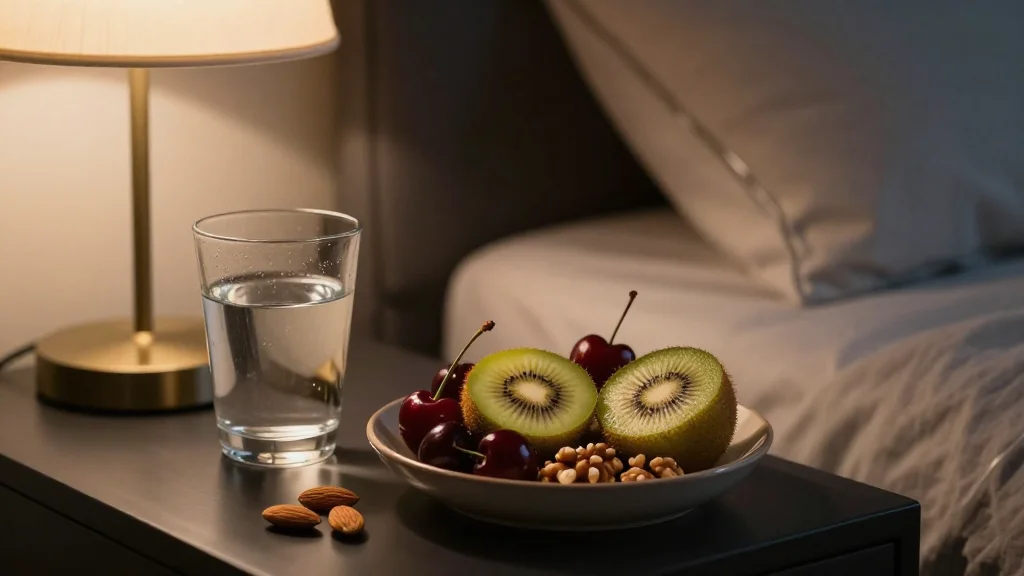
- •Two kiwis an hour before bed boost sleep onset and efficiency
- •Tart cherries provide natural melatonin, improving total sleep time
- •Almonds and walnuts supply magnesium and healthy fats for stable glucose overnight
- •Alcohol suppresses REM sleep, causing fragmented, less restorative rest
- •Heavy, spicy, or high‑fat meals delay digestion, raise temperature, disrupting sleep
Pulse Analysis
Sleep quality hinges on more than darkness and a comfortable mattress; what you eat before lights‑out can tip the hormonal balance that governs the circadian rhythm. Foods rich in melatonin precursors—such as kiwis and tart cherries—have been shown in clinical trials to shorten sleep latency and increase total sleep time. The serotonin‑melatonin pathway, bolstered by the antioxidants in kiwis, helps synchronize the brain’s internal clock, while the natural melatonin in cherries directly augments the hormone’s circulating levels. Pairing these fruits with magnesium‑dense nuts creates a synergistic effect, stabilizing blood‑glucose and supporting GABA activity, which together foster deeper, uninterrupted sleep.
Conversely, common evening indulgences can sabotage these benefits. Alcohol, despite its initial sedative effect, fragments REM cycles and intensifies early‑morning awakenings, undermining the restorative phases essential for memory consolidation. Caffeine’s half‑life extends well into the night, delaying sleep onset and reducing sleep depth; even dark chocolate contributes theobromine, a lesser‑known stimulant. High‑fat, fried, or spicy dishes raise core body temperature and slow gastric emptying, prompting reflux and disrupting the natural temperature drop required for sleep onset. These physiological disruptions translate into poorer sleep efficiency and daytime fatigue.
Practical application centers on timing and portion control. Experts advise consuming larger meals at least two to four hours before bedtime, reserving a modest snack—such as Greek yogurt with a few almonds or a banana—30 to 60 minutes prior to sleep. This approach delivers tryptophan, magnesium, and steady glucose without overloading the digestive system. Coupled with consistent sleep‑schedule habits—regular wake‑times, morning light exposure, and a cool, dark bedroom—strategic bedtime nutrition becomes a powerful, evidence‑based tool for enhancing overall health and workplace performance.
Doctors Say These Are the Best and Worst Foods to Eat Before Bed
Comments
Want to join the conversation?
Loading comments...