Doomscrolling Too Much? Try These Tips to Put the Phone Down and Plug Into Real Life
Why It Matters
Excessive scrolling erodes mental health and productivity; these low‑cost tactics give individuals and employers a practical roadmap to reclaim attention and improve wellbeing.
Key Takeaways
- •Identify emotions before reaching for phone to break automatic scrolling
- •Practice “urge surfing” to ride out scrolling cravings without acting
- •Add friction: set screen‑time limits requiring password or friend approval
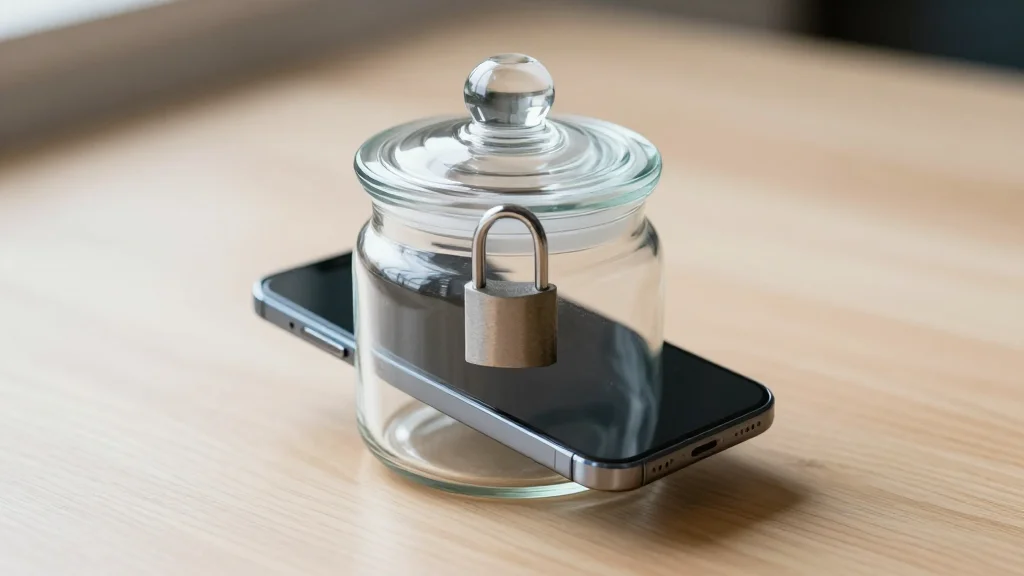
- •Use physical barriers like lock‑out devices to make app access harder
- •Keep phones out of bedroom to improve sleep quality and morning focus
Pulse Analysis
The rise of doomscrolling has become a silent epidemic, with recent surveys indicating that the average American checks social media 80 times a day. Continuous exposure to negative news cycles fuels anxiety, reduces concentration, and can even impair decision‑making at work. While many turn to productivity apps for a quick fix, the underlying habit loop—cue, craving, response, reward—remains unaddressed, leading to a perpetual cycle of short‑term relief and long‑term fatigue.
Segarra’s recommendations draw on behavioral science to break that loop. By first pausing to label the feeling that precedes a scroll, users create a mental gap where alternative actions can surface. “Urge surfing,” a concept borrowed from addiction therapy, teaches people to observe the rising urge like a wave and let it subside without acting. Adding friction—such as screen‑time limits that require a password or a trusted friend’s approval—leverages the brain’s natural aversion to effort, making impulsive taps less appealing. Physical lock‑out devices further increase the cost of access, reinforcing the decision to stay offline.
Beyond personal health, these practices have ripple effects in the workplace. Companies reporting lower employee screen‑time see higher engagement scores and fewer burnout incidents. As corporate wellness programs increasingly incorporate digital‑minimalism workshops, tools that automate friction (e.g., app‑blocking extensions) are gaining traction. In a market where attention is the most valuable commodity, mastering these techniques not only restores personal balance but also drives measurable productivity gains across teams.
Doomscrolling too much? Try these tips to put the phone down and plug into real life
Comments
Want to join the conversation?
Loading comments...