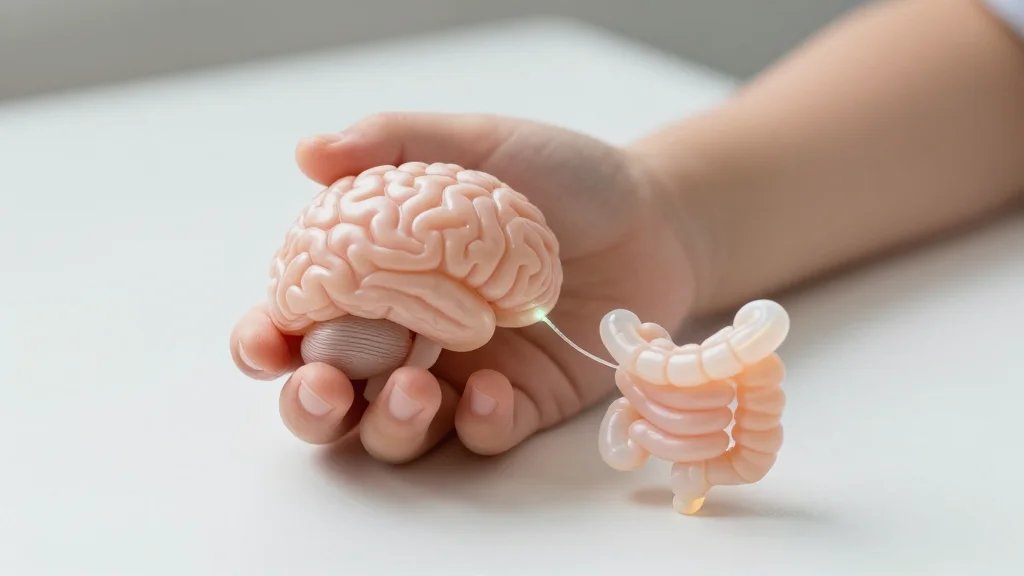
Early Stress Linked to Lifelong Digestive Issues via Gut‑Brain Disruption

Why It Matters
The gut‑brain connection is a cornerstone of modern wellness, influencing everything from mood to immune function. Demonstrating that early psychological stress can permanently impair this axis reframes how clinicians, parents, and policymakers think about childhood wellbeing. If stress‑related gut dysfunction can be prevented through early interventions, the potential public‑health payoff includes reduced healthcare costs for chronic gastrointestinal disorders, lower rates of pediatric anxiety and depression, and improved quality of life across the lifespan. Moreover, the findings challenge the prevailing focus on treating digestive symptoms after they appear. By shifting attention upstream to mental‑health support in early childhood, the wellness industry can develop more holistic, preventive solutions that address root causes rather than merely managing symptoms.
Key Takeaways
- •Study links early‑life psychological stress to adult digestive disorders via gut‑brain disruption.
- •Research combines mouse models with data from thousands of children, showing persistent effects.
- •Key symptoms linked to early stress include abdominal pain, constipation and IBS.
- •Authors recommend early mental‑health screening and stress‑reduction programs in pediatric care.
- •Future work will track long‑term outcomes and test interventions targeting the gut‑brain axis.
Pulse Analysis
The new evidence that early stress can rewire the gut‑brain axis aligns with a growing body of research emphasizing the developmental origins of health and disease. Historically, wellness strategies have treated gastrointestinal complaints as isolated issues, often prescribing diet changes or pharmaceuticals after symptoms emerge. This study flips that paradigm, suggesting that the seeds of chronic gut problems are sown much earlier, during periods when the nervous system is highly plastic. For the wellness market, this creates a strategic opening for products and services that blend mental‑health support with gut health—think integrated digital platforms offering guided meditation for children alongside probiotic recommendations.
From a competitive standpoint, companies that have traditionally focused on either mental health (e.g., meditation apps) or digestive health (e.g., fiber supplements) may find incentive to partner or expand their portfolios. The data also provide a scientific foundation for insurers and public‑health agencies to fund early‑life stress‑reduction programs, potentially reshaping reimbursement models. However, the translation from animal models to human interventions remains a hurdle; the exact pathways—neuroimmune signaling, microbiome shifts, or epigenetic changes—need further clarification before targeted therapies can be commercialized.
Looking forward, the study’s longitudinal design will be a litmus test for the durability of early interventions. If follow‑up data confirm that stress‑reduction in childhood lowers the incidence of IBS and related conditions, we could see a new wave of preventive wellness guidelines that integrate psychological resilience training into standard pediatric check‑ups. Such a shift would not only improve individual health outcomes but also generate a ripple effect across the broader wellness ecosystem, reinforcing the notion that mental and physical health are inseparable from the very start of life.
Early Stress Linked to Lifelong Digestive Issues via Gut‑Brain Disruption
Comments
Want to join the conversation?
Loading comments...