Eat More Protein? Exercise More? Why Teachers Need Better Self-Care Advice (Opinion)
Why It Matters
Teacher burnout erodes instructional quality and accelerates staff turnover, threatening student outcomes and school stability.
Key Takeaways
- •Teacher fatigue stems from emotional labor, not just physical exhaustion.
- •Standard advice of protein and exercise misses deeper self‑care needs.
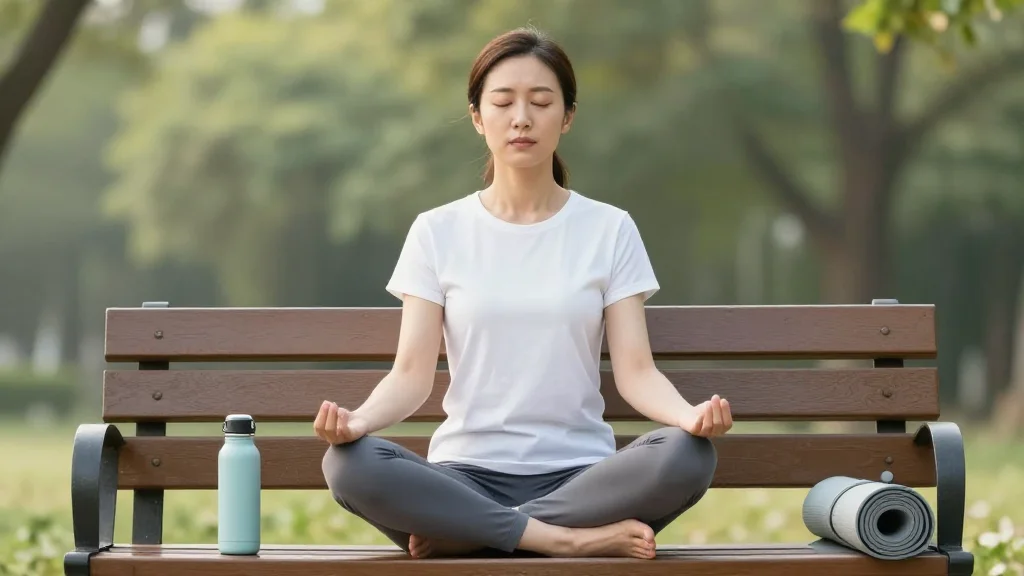
- •10 minutes daily mindfulness reduces stress and emotional exhaustion.
- •15‑30 minutes of enjoyable activity lowers cortisol and improves sleep.
- •Prioritizing personal health boosts teachers’ effectiveness and student outcomes.
Pulse Analysis
The education sector faces a silent crisis: teacher burnout. While headlines often spotlight low salaries or large class sizes, the cumulative emotional labor of managing diverse student needs, endless paperwork, and after‑hours planning creates a unique fatigue that standard health advice—more protein, more cardio—fails to address. This form of exhaustion, sometimes labeled “teacher tired,” reduces instructional effectiveness, raises absenteeism, and fuels attrition, costing districts billions in recruitment and training. Recognizing burnout as a mental‑health issue reframes the conversation from individual willpower to systemic well‑being.
Emerging research offers practical, low‑cost interventions. A randomized controlled trial published over a decade ago demonstrated that just ten minutes of daily mindfulness practice can significantly lower teachers’ perceived stress and emotional exhaustion. Complementary findings show that brief, enjoyable physical activities—such as a brisk walk, dancing while washing dishes, or playing with a pet—lower cortisol levels and improve sleep quality. These micro‑habits are scalable: they require no expensive equipment, can be fit into a busy school day, and empower educators to reclaim personal energy without sacrificing professional responsibilities.
For policymakers and school leaders, the implication is clear: supporting teacher self‑care must move beyond pamphlets to concrete infrastructure. Schools can embed mindfulness sessions into staff meetings, provide quiet rooms, and schedule regular wellness breaks. When districts invest in teacher well‑being, they see higher retention rates, better student performance, and a more resilient workforce. Ultimately, sustainable self‑care is not a luxury but a strategic imperative that safeguards the future of American education.
Eat More Protein? Exercise More? Why Teachers Need Better Self-Care Advice (Opinion)
Comments
Want to join the conversation?
Loading comments...