Eating a Mediterranean Diet May Lower Anxiety Symptoms in Teens
Why It Matters
The findings suggest that dietary patterns—both prenatal and during adolescence—could be leveraged as low‑cost, scalable interventions to mitigate rising teen anxiety, a major public‑health concern. Understanding these associations helps shape nutrition‑focused mental‑health strategies for schools and families.
Key Takeaways
- •Higher teen Mediterranean diet adherence linked to lower social anxiety
- •Maternal Mediterranean diet during pregnancy associated with reduced offspring anxiety
- •Study involved 86 adolescents from the KLOTHO birth cohort
- •Cross‑sectional design prevents causal conclusions; longitudinal trials needed
Pulse Analysis
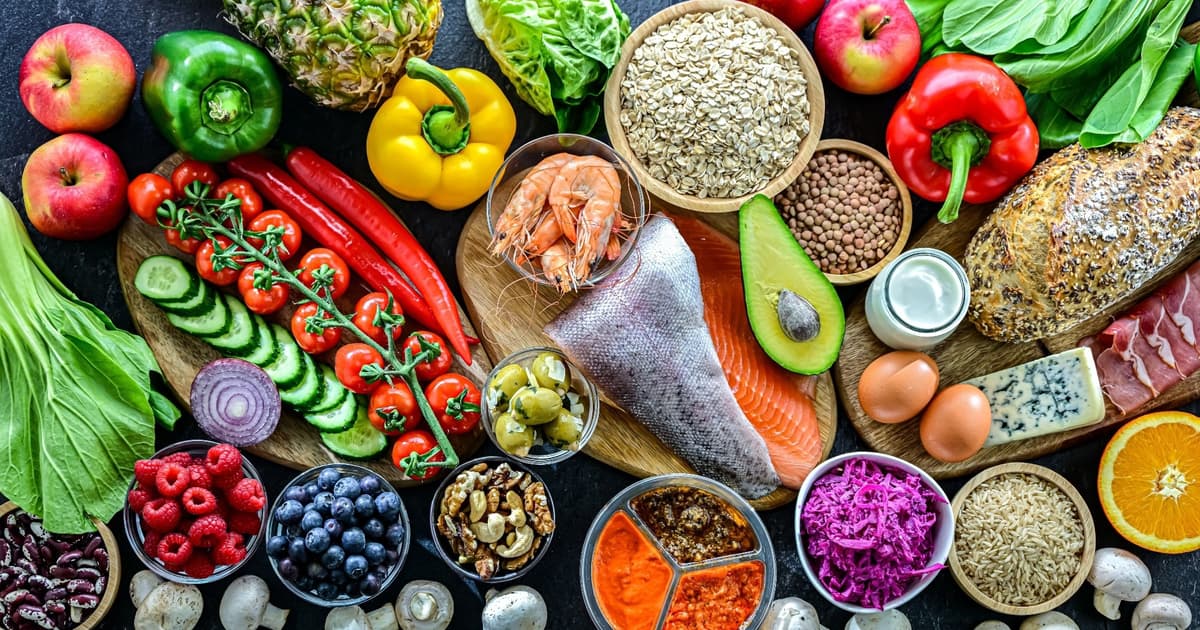
Adolescent anxiety rates have surged, prompting researchers to explore lifestyle levers beyond therapy and medication. Nutrition, in particular, has emerged as a promising target, with the Mediterranean diet—rich in fruits, vegetables, whole grains, fish, and olive oil—already linked to lower depression risk in adults. By extending this inquiry to teens, the KLOTHO cohort study adds a crucial piece to the puzzle, highlighting that current eating habits may directly influence specific anxiety dimensions such as social phobia and separation anxiety.
The KLOTHO analysis evaluated 86 early adolescents using a validated Mediterranean‑diet adherence score and standardized anxiety questionnaires. Results showed a clear inverse relationship between diet quality and both social and separation anxiety, while overall behavioral difficulties remained unchanged. Maternal diet during pregnancy also correlated with lower overall anxiety in offspring, suggesting that prenatal nutrition may set a neurodevelopmental foundation for emotional regulation. Researchers point to omega‑3 fatty acids, B‑vitamins, polyphenols, and antioxidants as potential neuroprotective agents, while improvements in gut microbiota diversity may further modulate the gut‑brain axis.
These insights carry practical implications for educators, clinicians, and policymakers. Incorporating Mediterranean‑style meals into school cafeterias and family meal planning could serve as a preventive measure against anxiety disorders, complementing existing mental‑health programs. However, the study’s cross‑sectional nature precludes definitive causal claims, underscoring the need for longitudinal and intervention trials to confirm efficacy and determine optimal implementation strategies. As the evidence base grows, diet‑centric approaches may become integral to holistic adolescent mental‑health frameworks.
Eating a Mediterranean diet may lower anxiety symptoms in teens
Comments
Want to join the conversation?
Loading comments...