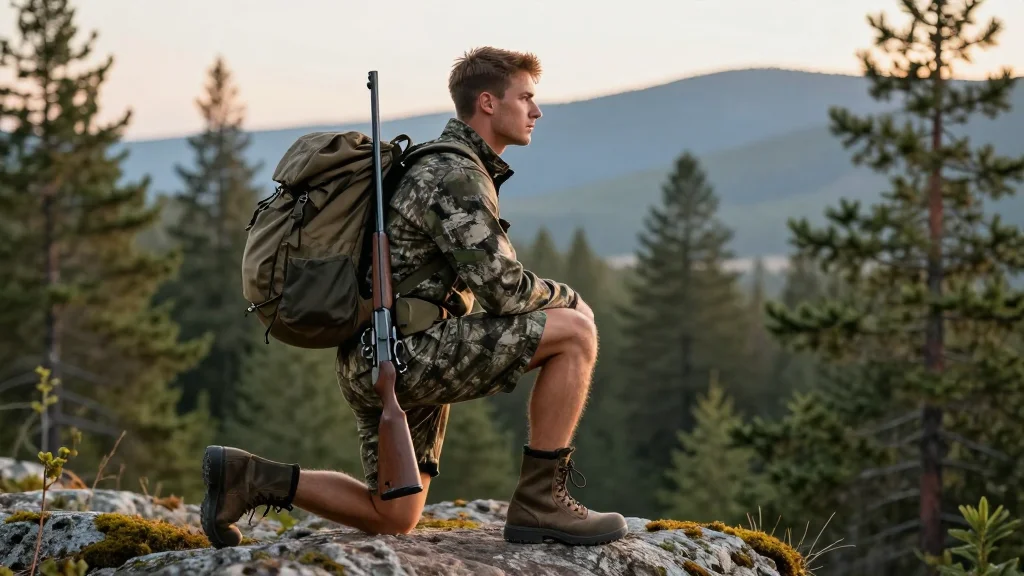
Ep. 38: Spike Camp - Bulletproof Your Body for the Mountains
Why It Matters
Targeted pre‑hab training reduces injury risk, keeping hunters on the trail longer and supporting the outdoor‑recreation economy.
Key Takeaways
- •Single‑leg stability drills reduce ankle sprain risk on uneven terrain
- •Use foam pads or Bosu for low‑cost ankle/hip conditioning
- •Incorporate eccentric step‑downs to strengthen knees for downhill rucking
- •Balance training both sides avoids compensations and overuse injuries
- •Progress from bodyweight splits to weighted, adding pads for challenge
Pulse Analysis
Back‑country hunting has surged as outdoor enthusiasts seek multi‑day expeditions in rugged terrain. While the allure of remote peaks is strong, the physical demands—carrying 40‑plus pounds, navigating steep ascents, and enduring uneven surfaces—often catch unprepared hunters off guard. Common complaints range from lower‑back strain to ankle sprains, injuries that can derail a hunt and require weeks of recovery. As the podcast episode “Spike Camp – Bulletproof Your Body for the Mountains” illustrates, the gap between general fitness and terrain‑specific readiness is where most mishaps originate.
The conversation zeroes in on targeted conditioning strategies that translate gym work to the trail. Single‑leg stability drills such as Bulgarian split squats, single‑leg RDLs, and skater hops force the ankle, knee, and hip complex to cooperate on uneven ground, dramatically lowering sprain risk. Low‑cost tools—15‑dollar foam pads or a Bosu ball—add instability, amplifying muscle activation without heavy equipment. Eccentric step‑downs and controlled tempo work strengthen tendons for downhill rucking, while the “24‑hour rule” offers a simple metric to gauge overload and prevent chronic irritation.
Adopting these protocols has ripple effects beyond individual safety. Hunters who recover faster stay on the field longer, supporting guide services, gear retailers, and the broader outdoor economy. Performance‑therapy clinics, like 931 Performance Therapy featured in the episode, see growing demand for pre‑hab programs that blend sport‑science with field‑specific drills. As more athletes treat back‑country pursuits as a sport rather than a hobby, the market for specialized training accessories and coaching is poised to expand, making injury mitigation a competitive advantage for both professionals and weekend adventurers.
Ep. 38: Spike Camp - Bulletproof Your Body for the Mountains
Comments
Want to join the conversation?
Loading comments...