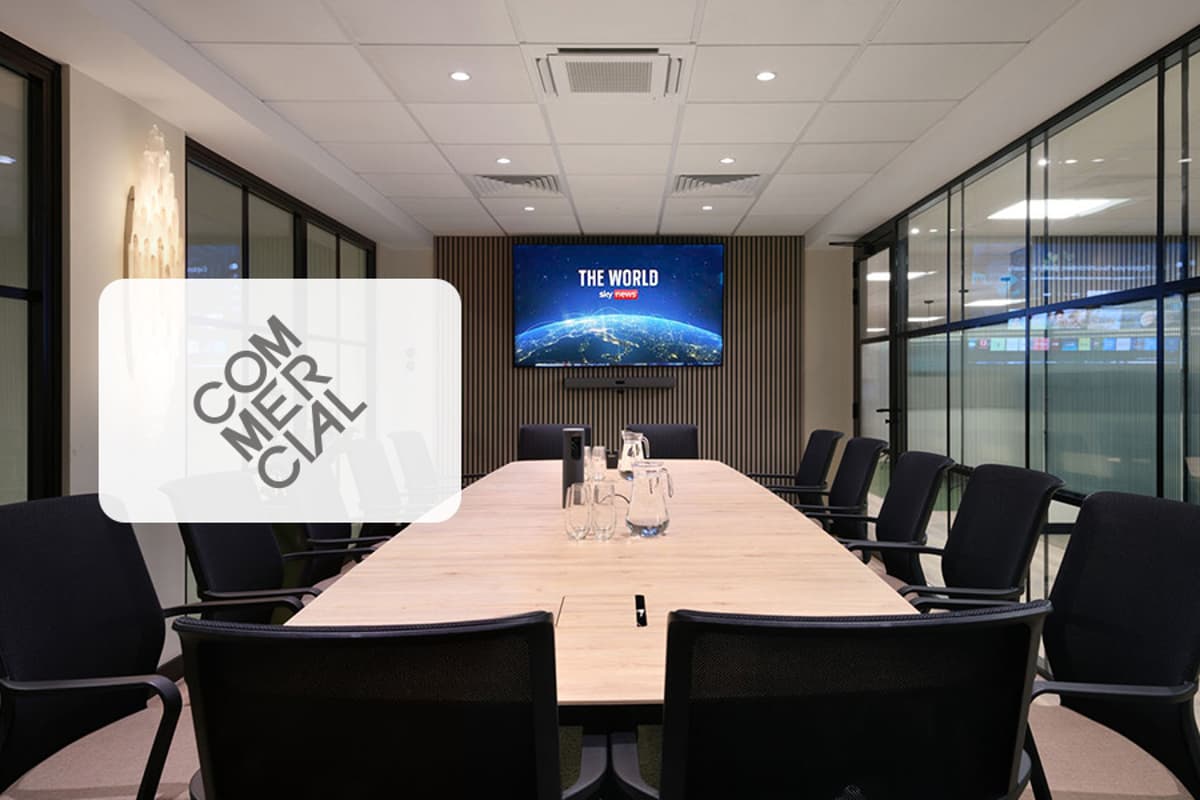
Everyone's Invited | How One Business Made Their Office Design so Alluring No-One Wants to WFH
Why It Matters
An inclusive, health‑focused office drives higher employee performance, reduces turnover, and differentiates the brand in a talent‑warrior market.
Key Takeaways
- •Low‑stimulation zones boost focus for neurodiverse employees
- •Pet‑ and child‑friendly areas improve work‑life balance
- •Natural light and plants raise wellbeing and productivity
- •Design shift reduces turnover by attracting purpose‑driven talent
- •Sustainability focus aligns office space with corporate values
Pulse Analysis
The rise of inclusive office design reflects a broader shift toward employee‑centred workplaces. Companies are moving beyond generic cubicles to environments that accommodate diverse needs—whether neurodiversity, caregiving responsibilities, or personal comfort. This trend is driven by mounting evidence that wellbeing correlates with higher output, and by DEI initiatives that demand tangible actions. As remote work normalizes, physical offices must offer something unique: a space that nurtures collaboration while respecting individual differences.
Commercial’s new headquarters embodies that philosophy. The firm replaced harsh lighting and monochrome walls with nature‑inspired colour palettes, generous daylight, and indoor greenery, creating low‑stimulation zones that help concentration. Designated pet‑ and child‑friendly areas acknowledge the reality of modern workers juggling caregiving duties, reducing stress and increasing focus when they are on‑site. By weaving sustainability into the design—using eco‑friendly materials and energy‑efficient fixtures—the office mirrors the company’s broader mission, reinforcing a sense of purpose among employees.
The business implications are clear. An office that prioritises inclusivity can become a talent magnet, especially for younger professionals who value purpose and flexibility. Higher employee satisfaction translates into lower attrition rates and higher productivity, delivering a measurable ROI on real‑estate spend. Moreover, such spaces bolster ESG credentials, appealing to investors and clients who scrutinise corporate responsibility. As more firms recognize the strategic advantage of human‑centric design, inclusive offices are set to become a competitive differentiator rather than a niche experiment.
Everyone's invited | How one business made their office design so alluring no-one wants to WFH
Comments
Want to join the conversation?
Loading comments...