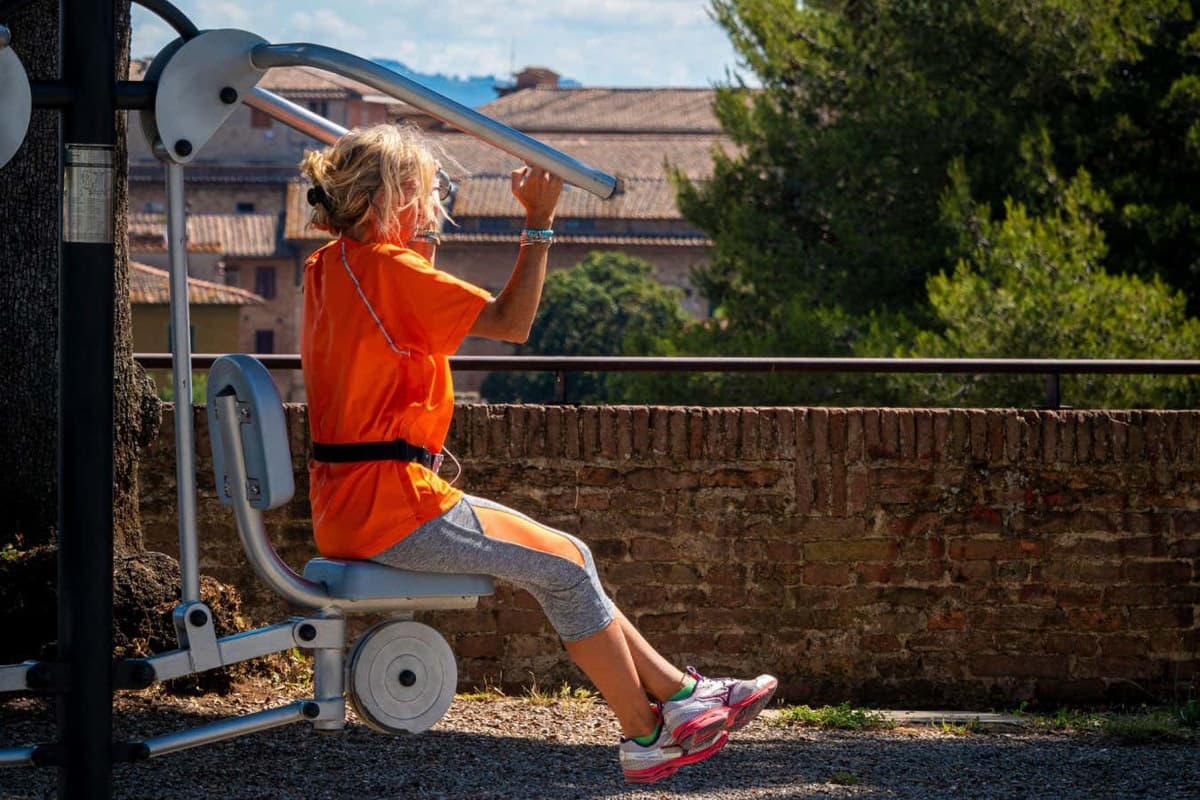
Exercise Advice for Long Covid May Be Doing More Harm than Good
Why It Matters
Health systems and insurers risk investing in ineffective or harmful protocols, while patients may experience deteriorating health, underscoring the need for evidence‑based rehabilitation strategies.
Key Takeaways
- •Exercise advice for long‑COVID rests on limited, low‑quality studies
- •Post‑exertional symptom spikes reported in many long‑COVID patients
- •Parallels drawn to chronic fatigue syndrome’s graded‑exercise controversy
- •Unsupervised workouts may exacerbate fatigue and respiratory issues
- •Tailored, monitored rehab programs needed pending robust research
Pulse Analysis
Long‑COVID, affecting millions worldwide, has left clinicians scrambling for affordable therapies. Exercise, especially low‑impact resistance training, quickly became a popular recommendation because it requires no prescription and promises to rebuild stamina. However, the condition’s heterogeneous nature—ranging from persistent brain fog to debilitating breathlessness—means a one‑size‑fits‑all approach can be risky. While early pilot trials hinted at modest improvements, most lacked randomised controls, had short follow‑up periods, and excluded patients with severe post‑exertional malaise, limiting their generalisability.
The methodological gaps have revived a contentious debate that began with chronic fatigue syndrome (CFS). In CFS, graded exercise therapy was once championed before rigorous studies revealed it could trigger symptom flare‑ups. Similar patterns are emerging in long‑COVID research: patients report worsening fatigue, joint pain, and autonomic dysfunction after unsupervised activity bursts. Without objective biomarkers or stratified protocols, clinicians may inadvertently prescribe regimens that amplify the very symptoms they aim to alleviate, leading to higher healthcare utilisation and patient dissatisfaction.
For the broader health‑care market, the stakes are significant. Rehab centres, insurers, and digital health platforms are already rolling out exercise‑based programs targeting long‑COVID sufferers. If these offerings prove ineffective or harmful, they could face regulatory scrutiny and erode consumer trust. The prudent path forward involves large‑scale, double‑blind trials, personalised activity thresholds, and integration of patient‑reported outcome measures. Until such data materialise, clinicians should adopt a cautious, monitored approach, prioritising symptom‑guided pacing over generic workout prescriptions.
Exercise advice for long covid may be doing more harm than good
Comments
Want to join the conversation?
Loading comments...