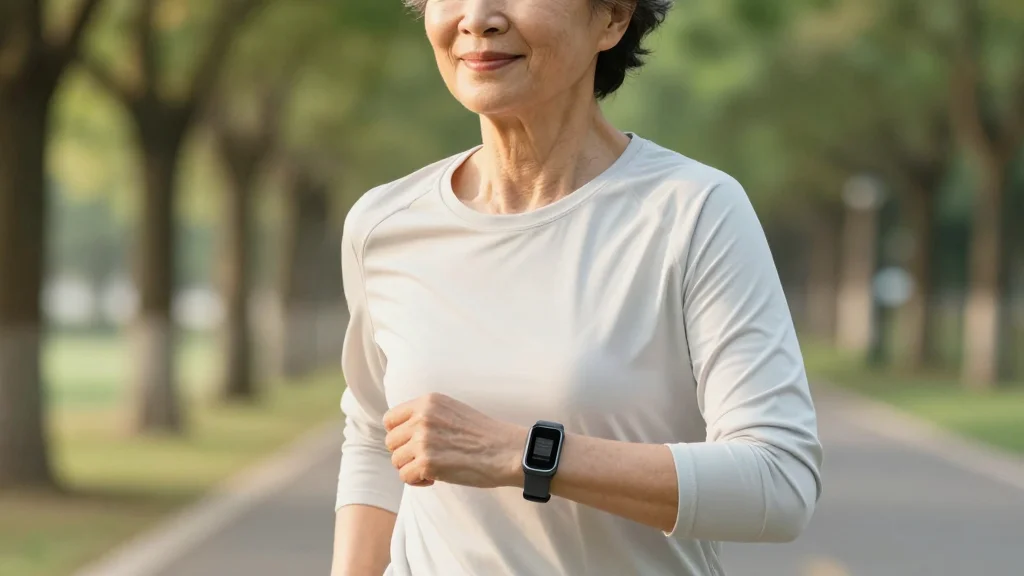
Exercise, IADL, Social Interaction Ease Depression in Elderly
Why It Matters
The research links modifiable lifestyle factors to mental‑health outcomes, offering scalable, cost‑effective strategies for aging societies facing rising depression rates.
Key Takeaways
- •Exercise lowers depression scores in older Chinese adults.
- •Better IADL function amplifies exercise's mental health benefits.
- •Social engagement mediates the exercise‑depression relationship.
- •Group fitness programs can boost autonomy and community ties.
- •Culturally tailored activity programs improve scalability across aging societies.
Pulse Analysis
Depression affects up to one‑third of seniors worldwide, imposing heavy clinical and economic burdens. While pharmacotherapy remains common, mounting evidence highlights physical exercise as a potent, low‑cost alternative that triggers neuroplasticity, endorphin release, and inflammation reduction. In the context of rapidly aging populations, especially in China where family structures are evolving, policymakers are seeking interventions that deliver both physiological and psychosocial returns. Exercise, therefore, emerges as a multifaceted tool that can address mood disorders without the side effects of medication.
Beyond the direct mood‑lifting effects, the study underscores the pivotal role of instrumental activities of daily living (IADL) in magnifying exercise benefits. When seniors maintain independence in tasks such as managing finances, transportation, and medication, they experience heightened self‑efficacy, which buffers against depressive thoughts. Community centers and senior housing can embed functional training—like balance drills and strength routines—into daily schedules, thereby reinforcing autonomy while simultaneously improving physical health. Such integrated approaches align with global healthy‑aging frameworks that prioritize functional independence as a core outcome.
Social interaction acts as the missing link that transforms solitary workouts into community‑building experiences. Group walks, tai chi circles, and low‑impact fitness classes not only increase activity levels but also expand social networks, reducing loneliness—a known predictor of depression. Tailoring these programs to cultural norms—respecting family involvement and communal values—enhances participation rates across diverse elderly cohorts. Future research should test longitudinal models and expand to other regions, but the current evidence already supports scaling culturally attuned, exercise‑centric initiatives as a cornerstone of public‑health strategies for mental‑wellbeing in older adults.
Exercise, IADL, Social Interaction Ease Depression in Elderly
Comments
Want to join the conversation?
Loading comments...