F1 Is One of the Loudest Sports on Earth. Here's How to Protect Your Hearing at the Miami Grand Prix
Companies Mentioned
Why It Matters
Unchecked noise exposure threatens long‑term health and could drive demand for hearing‑protection products, creating new revenue streams for tech and sports‑safety brands.
Key Takeaways
- •F1 engines reach ~140 dB, causing instant hearing damage risk
- •Pit crews must wear custom‑molded IEMs per FIA regulations
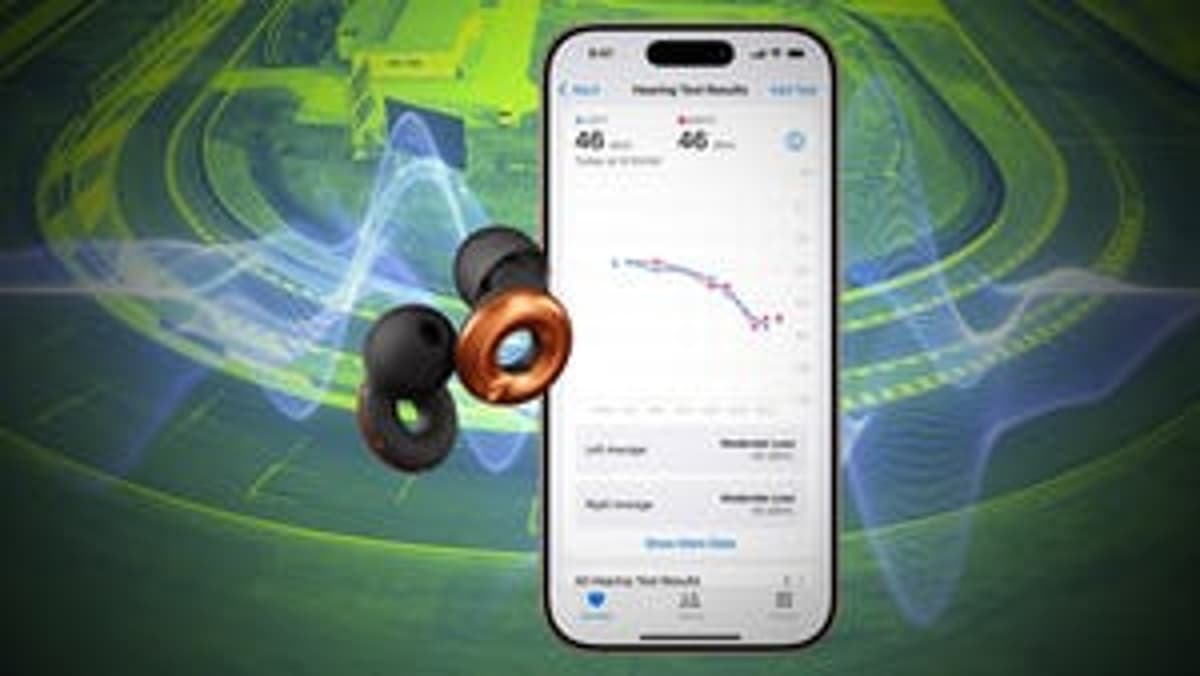
- •Apple Health app provides free hearing test for AirPods users
- •Loop partners with McLaren on limited‑edition papaya orange earplugs
- •Exposure above 85 dB is safe for under 8 hours; F1 far exceeds
Pulse Analysis
The roar of a Formula One car is more than a thrill—it’s a health hazard. At 140 dB, the sound pressure exceeds the threshold where the inner ear’s hair cells can be damaged in seconds, far surpassing the 85 dB level deemed safe for an eight‑hour workday. Drivers and pit crews mitigate this risk with custom‑molded in‑ear monitors that double as communication devices, a practice mandated by the FIA. For fans, however, the risk accumulates over a weekend of practice, qualifying and race sessions, turning a single event into a potential catalyst for permanent hearing loss.
Consumer technology is narrowing the gap between professional and personal hearing care. Apple’s Health app now includes a clinically validated audiometry test for AirPods Pro owners, while Samsung’s Adapt Sound offers a similar quick screening. Both platforms store results in health records, giving users a baseline to compare after loud events. Real‑time monitoring tools like the Apple Watch Noise app alert wearers when decibel levels breach safe limits, empowering attendees to act before damage occurs. These innovations reflect a broader trend: health‑focused wearables are becoming essential accessories for high‑noise environments, from concerts to motorsports.
The market response is evident in the rise of stylish, high‑NRR earplugs such as Loop’s Switch 2, now available in a McLaren‑branded edition. By combining acoustic filtering with a sleek design, these products transform hearing protection from a medical afterthought into a fashion statement. As awareness spreads, event organizers and sponsors are likely to endorse or provide such gear, creating new partnership opportunities. Ultimately, protecting hearing at events like the Miami Grand Prix not only safeguards individual health but also fuels growth in the consumer hearing‑protection sector, reinforcing the importance of proactive auditory care.
F1 Is One of the Loudest Sports on Earth. Here's How to Protect Your Hearing at the Miami Grand Prix
Comments
Want to join the conversation?
Loading comments...