FDA Clears Flow Neuroscience’s At‑Home Brain‑Stimulation Headset for Depression

Companies Mentioned
Why It Matters
The FDA’s clearance of an at‑home brain‑stimulation headset reshapes the mental‑health treatment landscape by legitimizing a non‑pharmacologic, technology‑driven option that can be delivered outside traditional clinical settings. For patients, it offers a discreet, potentially lower‑cost alternative to weekly clinic visits, reducing barriers to care. For providers, it expands the therapeutic toolkit, allowing clinicians to tailor treatment plans that combine medication, psychotherapy, and neuromodulation. The decision also signals regulatory openness to digital‑hardware hybrids, likely spurring investment in similar devices across neurology and psychiatry. Beyond individual patient outcomes, the approval could influence insurance reimbursement policies and drive broader acceptance of home‑based neurotherapies. If real‑world data confirm efficacy, insurers may incorporate tDCS devices into covered benefits, further democratizing access and potentially lowering overall healthcare expenditures associated with chronic depression.
Key Takeaways
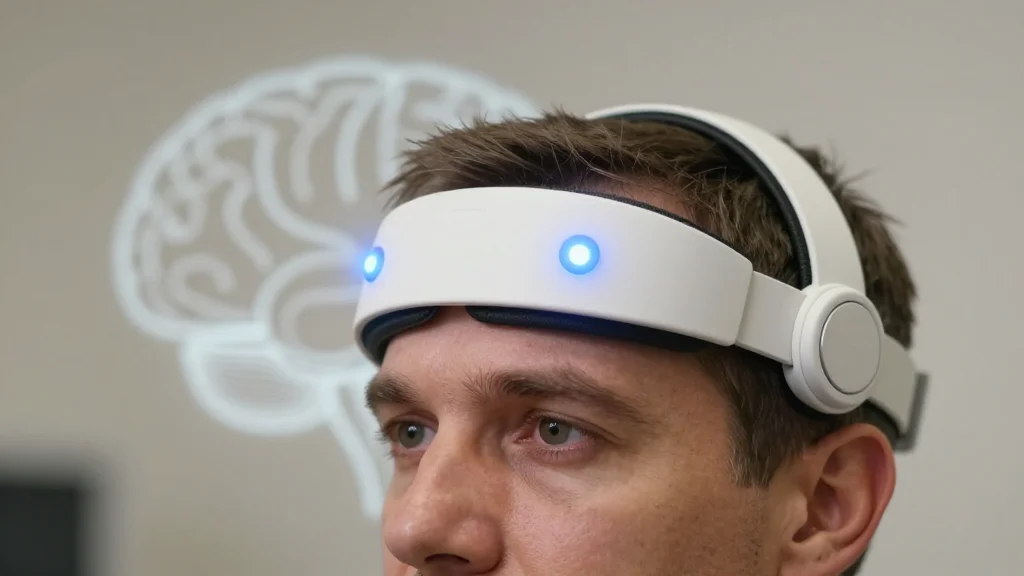
- •FDA cleared Flow Neuroscience’s FL-100 tDCS headset for adult major depressive disorder
- •First consumer‑grade neurostimulation device authorized for prescription use
- •Device pairs a Bluetooth headset with a smartphone app to guide sessions
- •Approval follows earlier clearances of clinic‑based rTMS and ECT
- •Industry expects rapid expansion of home‑based neuromodulation market
Pulse Analysis
The clearance of FL-100 marks a turning point for digital therapeutics, moving the sector from wellness‑grade gadgets to regulated medical devices. Historically, neuromodulation has been confined to high‑cost, clinic‑based interventions; this shift mirrors the broader telehealth trend accelerated by the pandemic. By embedding a medical device within a consumer‑friendly ecosystem, Flow Neuroscience blurs the line between health tech and traditional pharmaceuticals, challenging insurers to rethink coverage models.
From a competitive standpoint, the move forces established players like NeuroStar and MagVenture—providers of rTMS—to consider home‑based extensions of their platforms or strategic partnerships with tech firms. Meanwhile, startups focusing on EEG‑guided tDCS may find a clearer regulatory pathway, leveraging the FDA’s precedent to accelerate time‑to‑market. The key risk remains the generation of robust, longitudinal data that demonstrates sustained remission rates comparable to clinic‑based therapies.
Looking ahead, the success of FL-100 could catalyze a cascade of approvals for other brain‑stimulation modalities targeting anxiety, PTSD, and cognitive decline. Policymakers will need to balance rapid innovation with safeguards against misuse, ensuring that at‑home neurostimulation remains evidence‑based and patient‑centered. The next wave of research will likely focus on hybrid models—combining remote monitoring, AI‑driven dosing adjustments, and periodic clinician oversight—to maximize efficacy while preserving the convenience that defines the device’s appeal.
FDA Clears Flow Neuroscience’s At‑Home Brain‑Stimulation Headset for Depression
Comments
Want to join the conversation?
Loading comments...