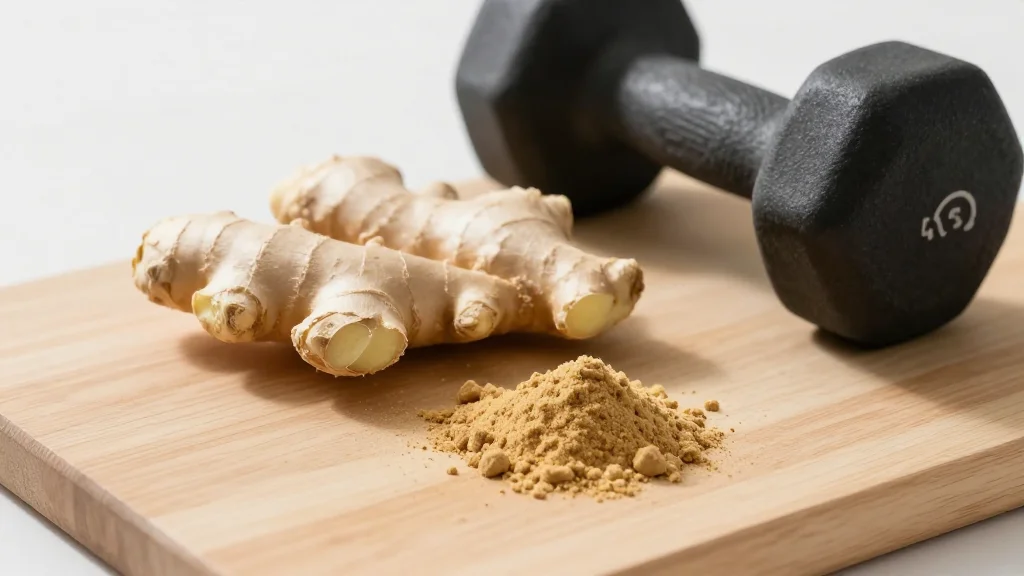
Feeling Sore After Workouts? This Spice Helps Your Muscles Recover
Why It Matters
The study provides evidence that a simple dietary addition can meaningfully lessen post‑workout pain, helping athletes and fitness enthusiasts maintain training frequency and intensity. Incorporating ginger could reduce reliance on pharmaceutical pain relievers and support broader sports‑nutrition protocols.
Key Takeaways
- •Daily 2 g ginger cuts post‑exercise muscle pain by ~24%
- •Both raw and heat‑treated ginger show similar effectiveness
- •Gingerols and shogaols inhibit inflammation pathways linked to soreness
- •Supplements may deliver concentrated gingerols, allowing lower daily doses
Pulse Analysis
Delayed‑onset muscle soreness (DOMS) remains a major barrier to consistent training, prompting athletes to seek both active recovery methods and nutritional aids. While protein and electrolytes dominate sports‑nutrition conversations, emerging research highlights ginger as a potent, food‑based anti‑inflammatory agent. The Nutrition Reviews meta‑analysis pooled two placebo‑controlled trials where participants consumed 2 grams of ginger daily for 11 days before eccentric exercise, a regimen that yielded a 23‑25% reduction in pain 24 hours post‑workout. This magnitude of relief rivals that of some over‑the‑counter NSAIDs, yet ginger offers a natural alternative with fewer systemic side effects.
The analgesic effect stems from ginger’s bioactive constituents—gingerols and shogaols—which suppress cyclooxygenase activity and leukotriene production, key mediators of inflammation. Additionally, these compounds modulate TRPV1 nociceptors, directly dampening pain signaling pathways. Notably, the studies found no performance difference between raw and heat‑treated ginger, indicating that typical culinary preparation retains therapeutic potency. The 2‑gram dosage translates to roughly one teaspoon of freshly grated ginger, a realistic daily addition for most diets, or can be achieved through standardized supplements that concentrate the active molecules, potentially allowing lower gram amounts.
For practitioners and fitness professionals, the implications are clear: recommending consistent ginger intake can enhance recovery protocols without adding pharmacologic risk. Consumers should consider integrating ginger into smoothies, stir‑fries, or teas, or opt for high‑quality supplements, especially if they require precise dosing. However, individuals on anticoagulant therapy should consult healthcare providers, as ginger can affect clotting. As the sports‑nutrition market continues to prioritize natural, evidence‑backed ingredients, ginger’s validated efficacy positions it as a staple for athletes aiming to minimize downtime and sustain progressive overload.
Feeling Sore After Workouts? This Spice Helps Your Muscles Recover
Comments
Want to join the conversation?
Loading comments...