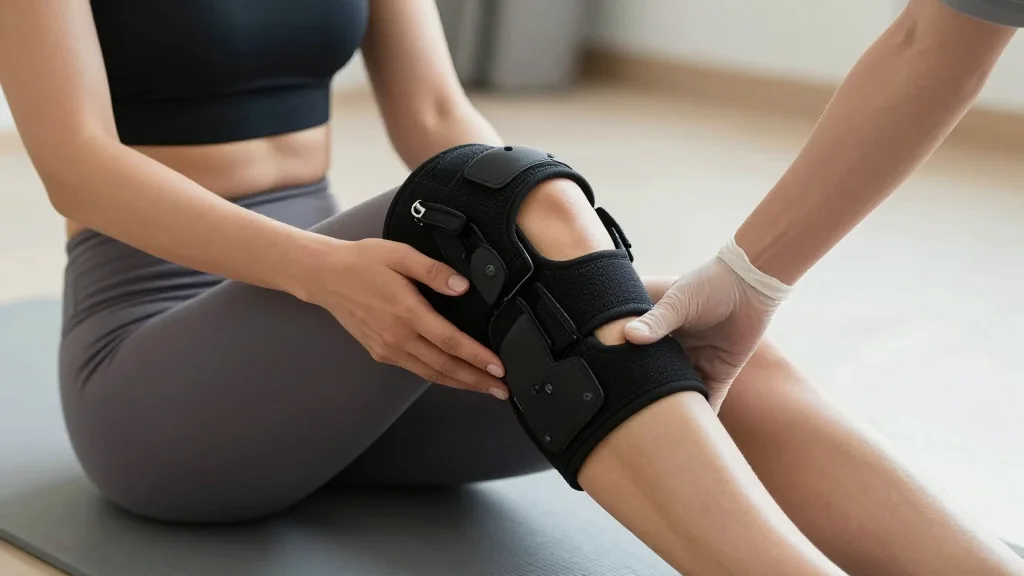
Female Athletes' Physical and Mental Struggle to Recover From Torn ACLs
Why It Matters
Addressing the psychological dimension of ACL recovery reduces re‑injury risk and safeguards athletes' academic and athletic trajectories. Schools that embed mental‑health resources set a new standard for holistic sports medicine.
Key Takeaways
- •Female athletes face higher ACL tear rates than males
- •Recovery includes mental health support for grief over lost sport
- •School trainers guide multi-stage rehab to prevent re-injury
- •Early intervention reduces long-term mobility and academic impact
Pulse Analysis
ACL injuries remain a persistent challenge for female athletes, who experience tear rates up to three times higher than their male counterparts. Research points to narrower intercondylar notch width, increased ligament laxity during certain phases of the menstrual cycle, and landing mechanics that place greater shear stress on the knee. These biomechanical nuances mean that standard injury‑prevention drills often fall short, prompting schools and sports programs to adopt gender‑specific conditioning protocols that emphasize neuromuscular control and hip strength.
Beyond the physical toll, the psychological fallout can be equally debilitating. Young athletes frequently describe a sense of loss comparable to bereavement, as they are sidelined from team camaraderie and personal identity tied to sport. Trainers like Bianca Broughton are integrating counseling techniques, peer support groups, and goal‑setting workshops into the rehab timeline, helping athletes navigate stages of denial, frustration, and eventual acceptance. This mental‑health focus not only accelerates functional recovery but also mitigates anxiety and depression that can spill over into academic performance.
The broader implication for educators and policymakers is clear: comprehensive ACL recovery programs must be funded and standardized across school districts. Investment in specialized trainer certifications, access to sports psychologists, and data‑driven injury‑tracking platforms can lower long‑term healthcare costs and keep talent on the field. As research continues to uncover the hormonal and biomechanical drivers of female ACL injuries, proactive prevention—through tailored strength training and early screening—will become a cornerstone of equitable athletic development.
Female Athletes' Physical and Mental Struggle to Recover From Torn ACLs
Comments
Want to join the conversation?
Loading comments...