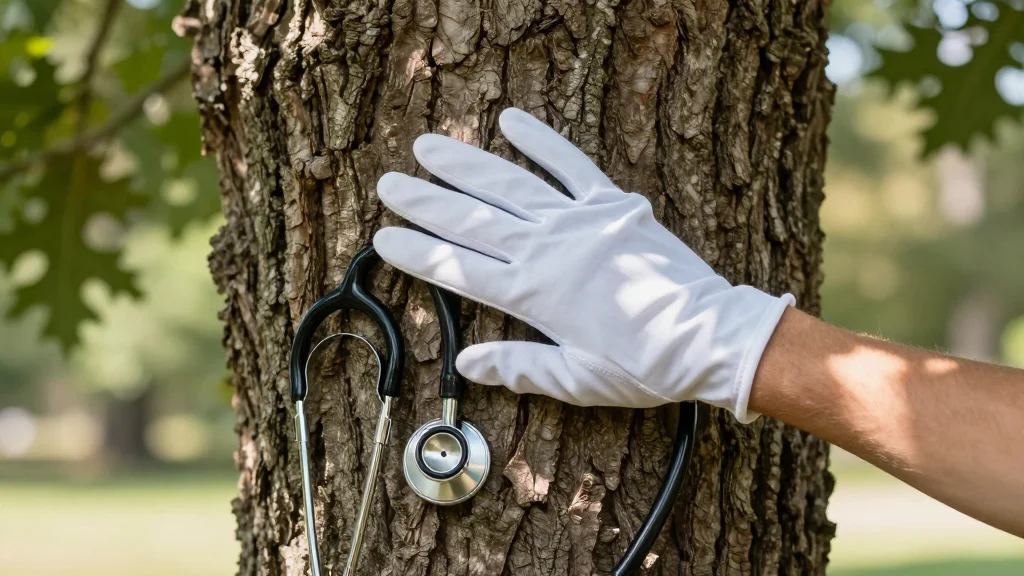
Forest Therapy: Why a Physician Wants More Doctors to Train in Nature-Based Medicine
Why It Matters
Integrating forest therapy into physician education could mitigate burnout, enhance clinical empathy, and broaden preventive care strategies across the healthcare system.
Key Takeaways
- •Dr. Abookire certified forest‑therapy guide leads Boston training
- •11 physicians practiced forest bathing to lower stress and boost immunity
- •Studies link forest exposure to cardiovascular, sleep, and cognitive benefits
- •Initiative aims to embed nature‑based medicine into medical education
Pulse Analysis
Physician burnout has reached crisis levels, prompting hospitals and medical schools to explore non‑clinical remedies. Nature‑based medicine, rooted in the Japanese practice of shinrin‑yoku or forest bathing, offers a low‑cost, evidence‑backed way to reduce cortisol, improve heart‑rate variability, and bolster immune markers. Over 300 peer‑reviewed studies now link regular exposure to green spaces with lower rates of hypertension, depression, and even cancer recurrence, positioning forest therapy as a credible adjunct to conventional treatment.
In Boston, Dr. Susan Abookire translated this research into a hands‑on workshop at the Arnold Arboretum. The 11 physicians and residents spent two hours walking among firs and pines, pausing to notice sounds, textures, and scents while guided by simple mindfulness prompts. Participants reported immediate reductions in muscle tension and a heightened sense of presence, echoing findings that forest immersion can sharpen executive function and improve sleep quality. By pairing sensory observation with brief physiological checks, the session demonstrated how a brief nature break can reset the nervous system without disrupting clinical duties.
If such pilots prove scalable, medical curricula could embed nature‑based modules alongside anatomy and pharmacology, creating a generation of clinicians who prescribe both medication and time outdoors. Challenges remain, including securing funding, standardizing certification, and convincing skeptical stakeholders of measurable ROI. Nonetheless, insurers are beginning to recognize the cost‑saving potential of preventive, lifestyle‑focused interventions, and academic health centers are lobbying for accreditation bodies to acknowledge nature‑based competencies. As the evidence base expands, forest therapy may evolve from a niche wellness trend to a mainstream component of holistic patient care.
Forest therapy: Why a physician wants more doctors to train in nature-based medicine
Comments
Want to join the conversation?
Loading comments...