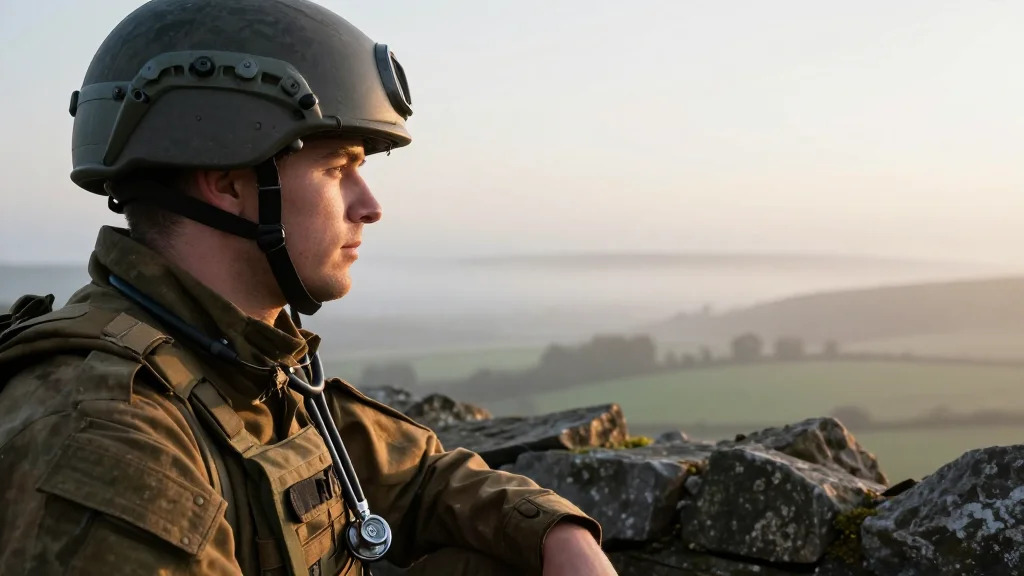
Future Scenarios for Mental Health in the UK Armed Forces Community
Why It Matters
Understanding these intersecting trends enables charities and defence health providers to anticipate resource needs, adapt services, and safeguard the wellbeing of service members and veterans as pressures evolve.
Key Takeaways
- •Rising mental‑health demand across UK, especially youth, strains services.
- •Geopolitical uncertainty could increase operational tempo, heightening stress for personnel.
- •Digital therapies and structural reforms reshape military mental‑health delivery.
- •Scenario planning highlights overlapping pressures, urging flexible support strategies.
- •Aging veteran population adds long‑term care needs to sector.
Pulse Analysis
The UK’s broader mental‑health landscape is undergoing a seismic shift, driven by a surge in demand among children and young adults and compounded by climate‑related disruptions, political polarization, and economic volatility. These societal currents are not isolated; they amplify the baseline strain on public health systems, creating a competitive environment for resources that the Armed Forces charities must navigate. Recognizing these macro‑trends is essential for any organization seeking to align funding, outreach, and service capacity with a rapidly expanding need base.
Within the defence community, the specter of heightened geopolitical tension adds a distinct layer of complexity. Potential involvement in large‑scale conflicts could raise operational tempo, extend deployments, and expose personnel to more intense combat scenarios, all of which elevate the risk of trauma, anxiety, and burnout. Coupled with an aging veteran cohort that carries long‑term mental‑health sequelae, the sector faces a dual pressure: immediate wartime stressors and chronic post‑service care demands. Strategic planners must therefore model both acute and chronic stress pathways to allocate resources effectively.
Delivery of mental‑health care is also in flux. The UK is embracing structural reforms that integrate mental‑health services more tightly with primary care, while digital therapeutics—ranging from tele‑counselling to AI‑driven monitoring—are gaining traction. These innovations promise greater accessibility but require robust governance and training to ensure efficacy for a military audience. Scenario‑planning, as employed by RAND Europe, equips stakeholders with a foresight toolkit to test assumptions, blend overlapping pressures, and craft resilient support strategies that can adapt to any of the five projected futures.
Future scenarios for mental health in the UK Armed Forces community
Comments
Want to join the conversation?
Loading comments...