Garment Worker Wellbeing Central in Seoul Roundtable Discussions
Why It Matters
Improving garment‑worker conditions directly strengthens supply‑chain resilience and competitive advantage, while aligning the sector with rising ESG expectations.
Key Takeaways
- •Digital wage payments can cut processing time by 50%
- •RISE has impacted >1 million workers across 10 nations
- •Financial health, safety, and climate resilience are interlinked priorities
- •Korean manufacturers now sit on RISE’s governance board
- •Women’s wellbeing is central to the new industry agenda
Pulse Analysis
The global garment and footwear sector, employing roughly 60 million workers, is at a crossroads as labor unrest and ESG scrutiny intensify. The Seoul roundtable underscored that traditional cost‑cutting models are no longer viable; instead, firms are being forced to view employees as strategic assets. Initiatives like RISE, launched in 2023, illustrate a collaborative approach that aggregates expertise from NGOs, brands and industry groups to drive systemic change, especially for women who comprise a large share of the workforce.
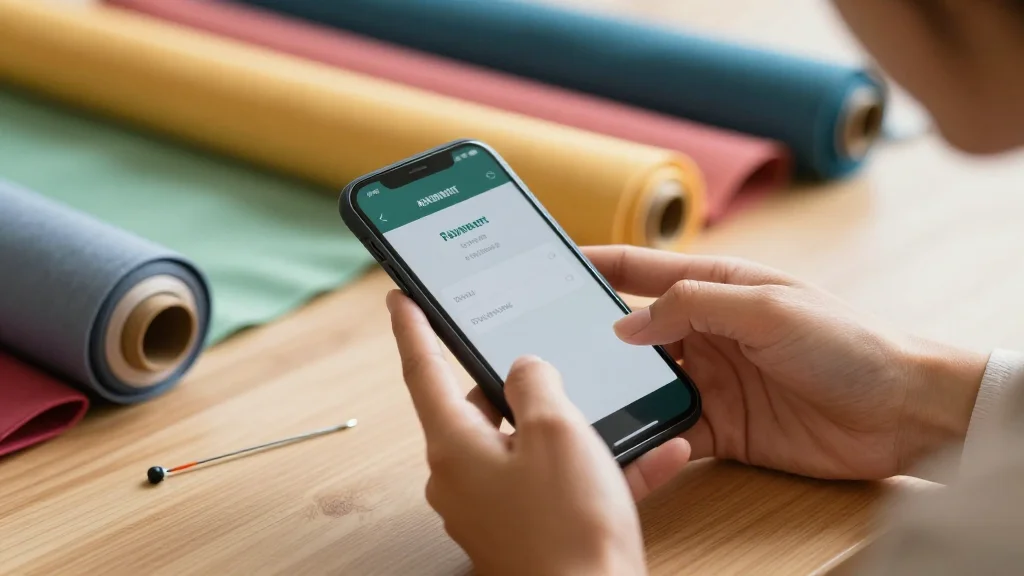
One of the most actionable insights from the discussion was the adoption of digital wage payments. By moving payroll to electronic platforms, companies can achieve efficiency gains of at least 50 %, reduce turnover, and build trust with workers who receive timely, transparent compensation. This financial health boost dovetails with broader priorities—safe, respectful workplaces and climate‑resilient operations—highlighting that isolated programs rarely deliver lasting impact. The interdependence of these pillars is reshaping compliance frameworks and prompting firms to embed wellbeing metrics into core performance dashboards.
Korean apparel manufacturers, which operate extensive networks across Asia and Central America, are emerging as influential voices in setting labor standards. ShinWon’s participation on RISE’s steering board and its rollout of financial‑literacy and savings initiatives demonstrate how vertically integrated firms can extend benefits to lower‑tier suppliers. As consumer demand for ethically produced apparel grows, manufacturers that embed worker wellbeing into governance will likely enjoy stronger brand equity, lower disruption risk, and a clearer path to sustainable growth.
Garment worker wellbeing central in Seoul roundtable discussions
Comments
Want to join the conversation?
Loading comments...