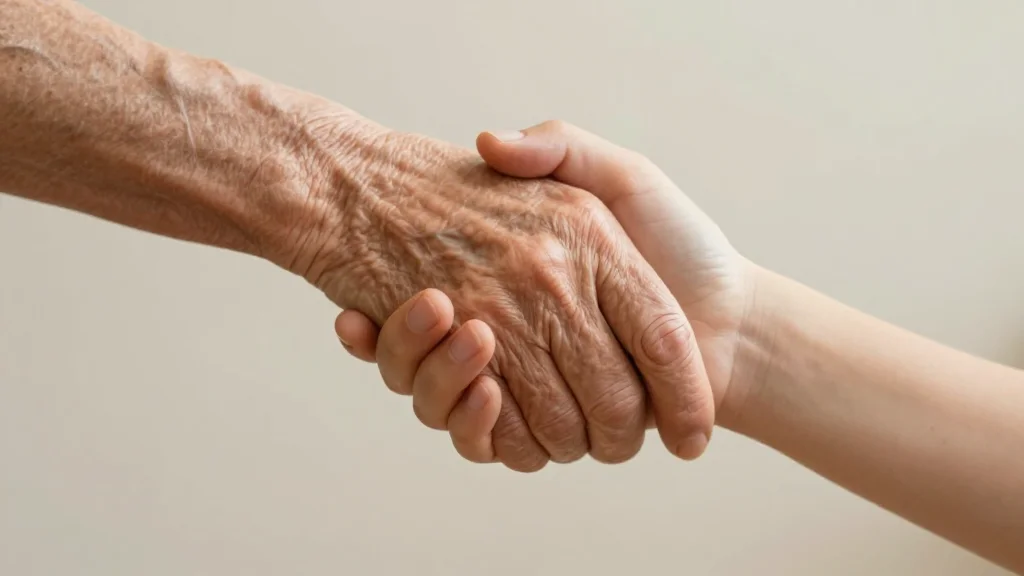
Grandparents Are a Vital Resource in the Child Mental Health Crisis, Says Psychologist
Why It Matters
Re‑engaging grandparents can strengthen children’s emotional immune systems, potentially reducing rates of teen depression and anxiety. For policymakers and providers, supporting multigenerational involvement offers a low‑cost, scalable strategy to address the nationwide mental‑health emergency.
Key Takeaways
- •40% of U.S. teens report persistent sadness or hopelessness.
- •Grandparents provide “emotional immune system” moments that boost resilience.
- •Over‑criticism, not over‑praise, harms children’s motivation and confidence.
- •Volunteering and kindness conversations foster purpose and lower anxiety.
- •Barish’s book offers 21 rules for cooperative child behavior.
Pulse Analysis
The United States is confronting an unprecedented adolescent mental‑health emergency, with the surgeon general warning of a prolonged crisis and recent surveys showing that over two‑fifths of teens experience chronic sadness or hopelessness. Traditional interventions—school counseling, medication, and community programs—are strained, prompting experts to explore low‑cost, culturally resonant supports. One such avenue is the often‑overlooked extended family, particularly grandparents, whose involvement can fill emotional gaps left by nuclear‑family pressures and a societal shift toward individualism.
Kenneth Barish, a clinical professor at Weill Cornell Medicine, frames grandparents as providers of “molecules of emotional health,” brief yet powerful moments of listening, encouragement, and shared play that fortify a child’s emotional immune system. Drawing on four decades of clinical work and neuroscience, he contends that criticism erodes motivation more than insufficient praise, and that fostering purpose through volunteering and kindness‑focused dialogue reduces anxiety and builds resilience. Empirical studies cited by Barish link prosocial behavior to higher self‑esteem, lower dropout rates, and even improved immune function, underscoring the tangible health benefits of multigenerational engagement.
For practitioners, educators, and policymakers, the implication is clear: integrating grandparents into mental‑health strategies can amplify outcomes without substantial new spending. Community centers might host intergenerational workshops, schools could invite grandparents for mentorship programs, and insurers could recognize family‑based support as a preventive service. As the nation seeks scalable solutions to curb teen depression, leveraging the innate caregiving capacity of grandparents offers a pragmatic, evidence‑backed path forward. Continued research and pilot programs will determine how best to operationalize this resource at scale.
Grandparents are a vital resource in the child mental health crisis, says psychologist
Comments
Want to join the conversation?
Loading comments...