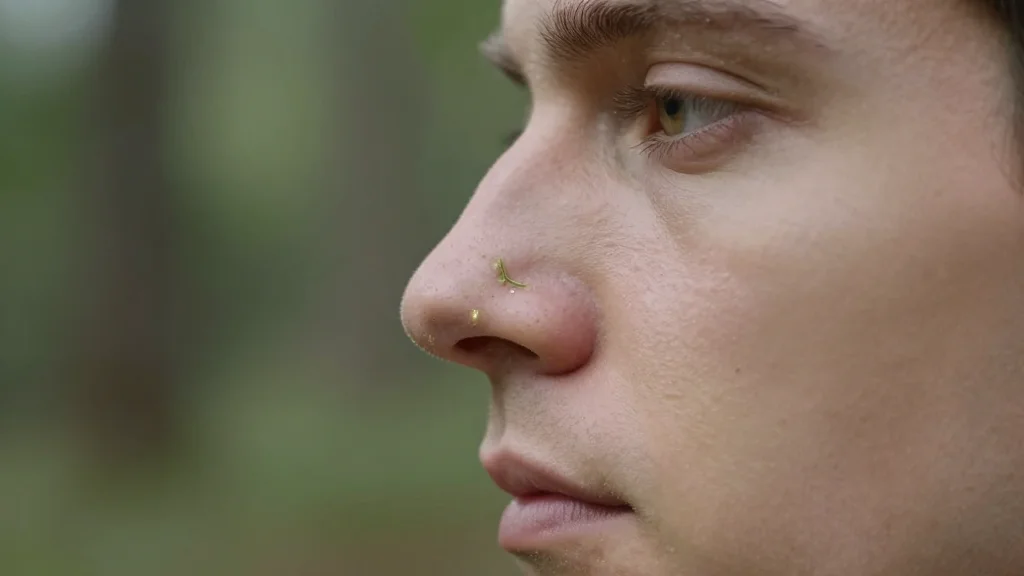
Green Space and Outdoor Time Boost Nasal Microbiome Diversity and Lower Depression Scores

Why It Matters
Linking outdoor exposure to changes in the nasal microbiome provides a concrete biological mechanism for the well‑documented mental‑health benefits of nature. This bridges a gap between environmental psychology and microbiology, suggesting that simple lifestyle adjustments—more time outdoors—could be leveraged as low‑cost, scalable interventions for depression and anxiety. Moreover, the study underscores the importance of urban planning that preserves green spaces, as community health may hinge on microbial ecosystems that extend beyond the gut. For the wellness industry, the findings open a new product and service frontier: programs that monitor or even modulate nasal microbiota, combined with nature‑based activities, could become part of personalized health regimens. As consumers seek evidence‑based, holistic solutions, the integration of environmental microbiome data could differentiate next‑generation wellness offerings.
Key Takeaways
- •Study of 111 Denver museum visitors links green‑space exposure to richer nasal microbiome.
- •Greater time outdoors correlates with lower depressive scores, more strongly than green‑space density.
- •Pet ownership also influences nasal microbial composition.
- •Researchers used 16S rRNA sequencing and satellite‑derived green‑space mapping.
- •Findings suggest nature‑based interventions could become a component of mental‑health strategies.
Pulse Analysis
The Denver Museum study arrives at a moment when the wellness sector is increasingly data‑driven, seeking measurable biomarkers to validate lifestyle recommendations. Historically, most microbiome research has centered on the gut, but this work shifts attention to the nasal cavity—a gateway to the respiratory system and a potential conduit for neuroimmune signaling. By demonstrating that outdoor exposure can rapidly alter nasal microbial communities, the study provides a plausible pathway for how environmental factors translate into mood regulation.
From a market perspective, the results could catalyze new collaborations between urban planners, public‑health officials, and wellness brands. Companies that develop wearable devices tracking outdoor activity may soon integrate microbiome sampling kits, offering users feedback on how their environment is shaping their internal ecosystems. Simultaneously, insurers might consider incentivizing nature‑based activities as preventive mental‑health measures, echoing emerging models that reward physical activity.
Looking ahead, the key challenge will be moving from correlation to causation. Longitudinal studies and controlled trials will be needed to confirm that modifying the nasal microbiome through outdoor exposure directly improves mental health outcomes. If such evidence materializes, we could see a paradigm shift where the design of cities, workplaces, and even indoor environments is evaluated not just for air quality but for its capacity to nurture a beneficial nasal microbiome.
Green Space and Outdoor Time Boost Nasal Microbiome Diversity and Lower Depression Scores
Comments
Want to join the conversation?
Loading comments...