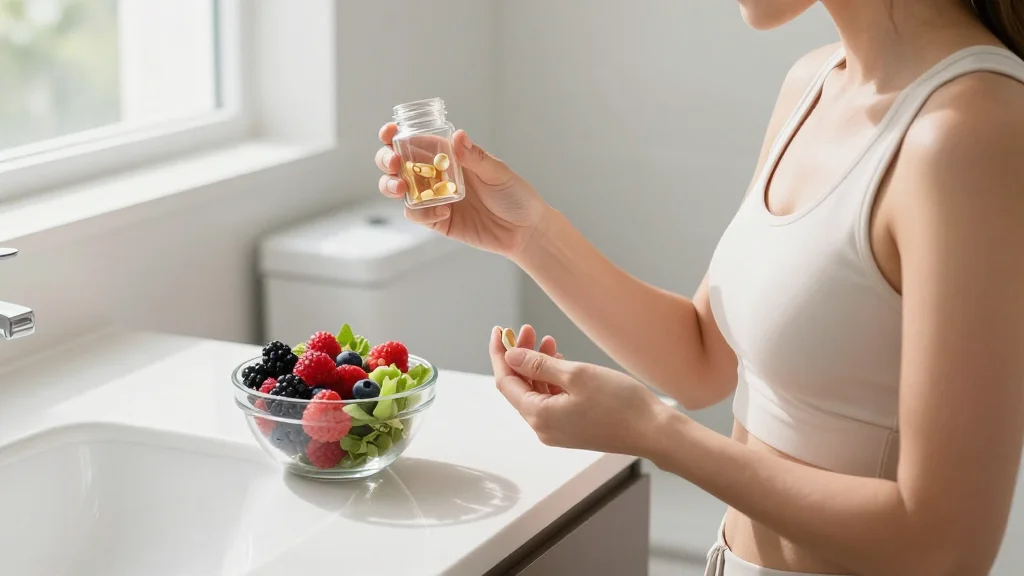
Gut Troubles? This Gastroenterologist Has Tips to Help You Achieve 'Poophoria'
Why It Matters
Improving gut regularity can reduce healthcare costs, boost productivity, and lower the risk of chronic diseases linked to poor digestion. Pasricha’s actionable advice gives consumers a science‑backed roadmap to better digestive health.
Key Takeaways
- •40% of Americans experience regular bowel discomfort, per AGA data
- •Pasricha recommends fiber, psyllium, and spices to normalize stool
- •Avoid ultra‑processed foods and artificial sweeteners to protect gut microbiome
- •Squat or use a footstool to straighten colon during defecation
- •Limit bathroom screen time; prolonged sitting raises hemorrhoid risk
Pulse Analysis
The prevalence of digestive complaints is no longer a niche concern; roughly two‑in‑five Americans admit that bowel issues disrupt their daily routines. This widespread discomfort translates into billions of dollars in lost productivity and medical expenses each year. Dr. Trisha Pasricha, a leading voice at Beth Israel Deaconess and Harvard Medical School, leverages her clinical experience and recent research to demystify gut health in a consumer‑friendly format. Her book, *You’ve Been Pooping All Wrong*, synthesizes peer‑reviewed findings into practical habits, positioning her as both a medical authority and a lifestyle guide.
Pasricha’s core recommendations echo a growing body of evidence linking diet, posture, and behavior to gut function. Increasing soluble fiber—through whole foods or psyllium supplements—feeds beneficial colonic microbes, which produce short‑chain fatty acids that curb inflammation and may lower risks of colon cancer, heart disease, and even dementia. She also cautions against ultra‑processed foods and artificial sweeteners, which have been associated with a 20% higher IBS incidence in large cohort studies. Simple mechanical tweaks, like elevating the feet to achieve a squat position, relax the puborectalis muscle and facilitate smoother evacuation, while limiting bathroom screen time reduces prolonged sitting that contributes to hemorrhoids.
Beyond individual wellness, Pasricha’s insights signal broader market opportunities. The gut‑brain axis is attracting investment from biotech firms developing microbiome‑targeted therapies, while consumer brands are expanding high‑fiber, low‑additive product lines. Employers are taking note, integrating digestive health education into wellness programs to curb absenteeism. As research continues to uncover the systemic impact of gut health, Pasricha’s evidence‑based playbook offers a timely, actionable framework for both consumers and industry stakeholders.
Gut troubles? This gastroenterologist has tips to help you achieve 'poophoria'
Comments
Want to join the conversation?
Loading comments...