Why It Matters
Understanding that shaking is a normal physiological response helps practitioners avoid unnecessary anxiety and injury, fostering a healthier, more sustainable yoga practice.
Key Takeaways
- •Shaking indicates muscle fatigue, not weakness.
- •Acceptance reduces tension, improves stability.
- •Mirrors can heighten self‑consciousness.
- •Focus on breath, not perfect form.
- •Mindful approach enhances overall yoga experience.
Pulse Analysis
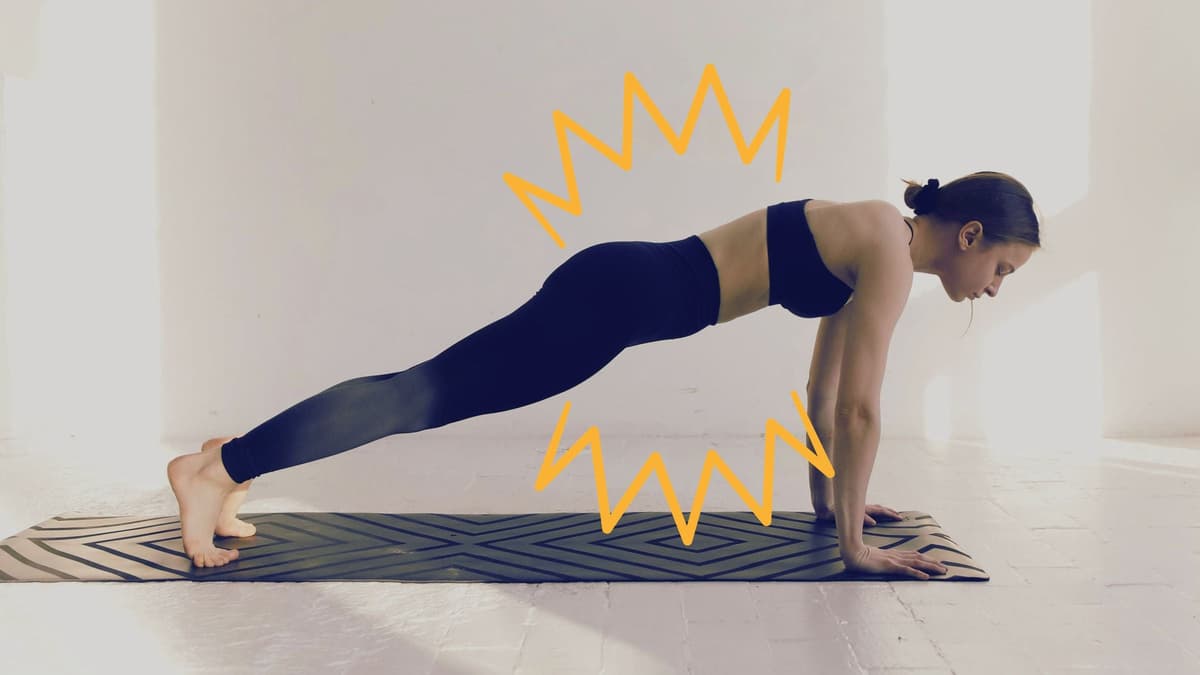
Muscle tremors during yoga are a physiological response to motor unit recruitment when a muscle works near its limit. When fibers fire asynchronously, the visible shake signals fatigue, not failure. This reality contradicts the popular mantra that shaking equals weakness, yet many studios still equate it with progress without explaining the underlying neuromuscular mechanics. Clarifying the science helps students differentiate healthy exertion from over‑exertion, reducing the risk of strain and encouraging smarter progression.
The psychological dimension amplifies the issue. Mirrors, while useful for alignment, often trigger self‑criticism, turning a natural tremor into a source of embarrassment. Research in mindfulness shows that accepting bodily sensations—rather than suppressing them—lowers sympathetic arousal and improves proprioceptive feedback. When the author stopped resisting the shake, her nervous system relaxed, allowing smoother micro‑adjustments and a feeling of solidity. This shift mirrors broader trends in fitness where mental flexibility is recognized as a performance enhancer.
For yogis seeking to harness shaking constructively, the first step is to reframe the sensation as data, not judgment. Incorporate breath‑linked cues, pause to observe the tremor, and adjust weight distribution rather than stiffening. Practicing in low‑stimulus environments, such as back‑row or mirror‑free spaces, can reduce performance anxiety. Over time, this mindful acceptance builds core resilience, improves balance, and deepens the mind‑body connection—benefits that extend beyond the mat to everyday stress management and overall physical health.
Hate When Your Muscles Shake in Yoga? Read This.
Comments
Want to join the conversation?
Loading comments...