Have You Ever Tried Practicing Yoga Backwards? Hear Us Out.
Companies Mentioned
Why It Matters
Reverse sequencing offers studios a fresh product to attract fatigued clients and supports corporate wellness programs seeking energizing, not calming, breaks. It signals a shift toward functional, outcome‑focused yoga experiences.
Key Takeaways
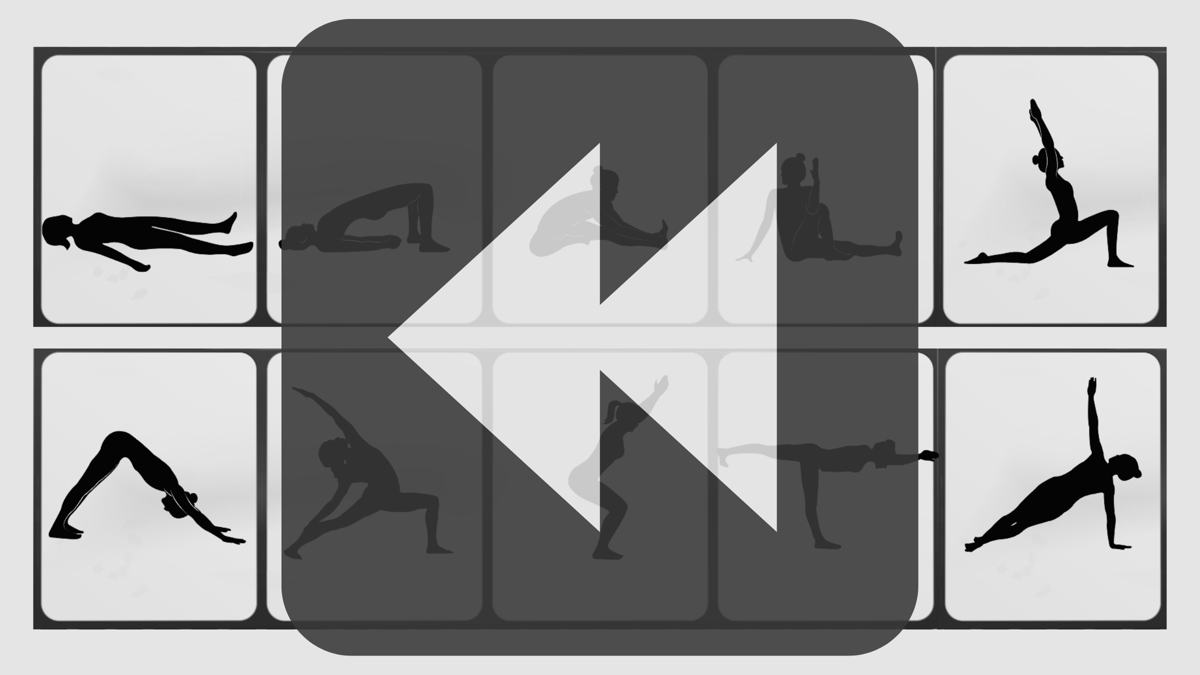
- •Reverse flow starts with Savasana, ends standing in Mountain Pose
- •Five progressive stages guide energy from stillness to intensity
- •Suitable for 10‑minute micro‑sessions or hour‑long classes
- •Helps retain post‑practice vitality, reducing afternoon slump
- •Provides studios a differentiating class format for low‑energy participants
Pulse Analysis
The reverse yoga flow concept challenges the conventional vinyasa arc that ramps up heat before a calming cool‑down. By inverting the order—starting with deep relaxation and gradually introducing movement—practitioners experience a gentler activation of muscles and nervous system. This method aligns with emerging research on gradual sympathetic activation, which can boost alertness without the crash often reported after high‑intensity yoga sessions. Rachel Land’s five‑step framework offers clear guidance, making the approach accessible for both beginners and seasoned teachers.
From a business perspective, the reverse flow opens new revenue streams for studios facing post‑pandemic fatigue. Clients increasingly seek classes that leave them energized for work, rather than overly relaxed. Offering a "Revitalize" series can attract corporate accounts looking to embed short, invigorating breaks into employee schedules. Moreover, the format’s scalability—from 10‑minute office micro‑sessions to full‑hour workshops—fits diverse programming calendars, encouraging higher attendance and repeat bookings.
Digital platforms stand to benefit as well. On‑demand video libraries can package the reverse flow as a standalone module, tapping into the growing market for wellness content that promises productivity gains. Instructors can customize the sequence with branded music or breath cues, enhancing engagement metrics. As the wellness industry leans toward outcome‑driven experiences, reverse yoga flow positions itself as a pragmatic, science‑backed alternative that bridges relaxation and functional energy, likely becoming a staple in both studio curricula and corporate wellness portfolios.
Have You Ever Tried Practicing Yoga Backwards? Hear Us Out.
Comments
Want to join the conversation?
Loading comments...