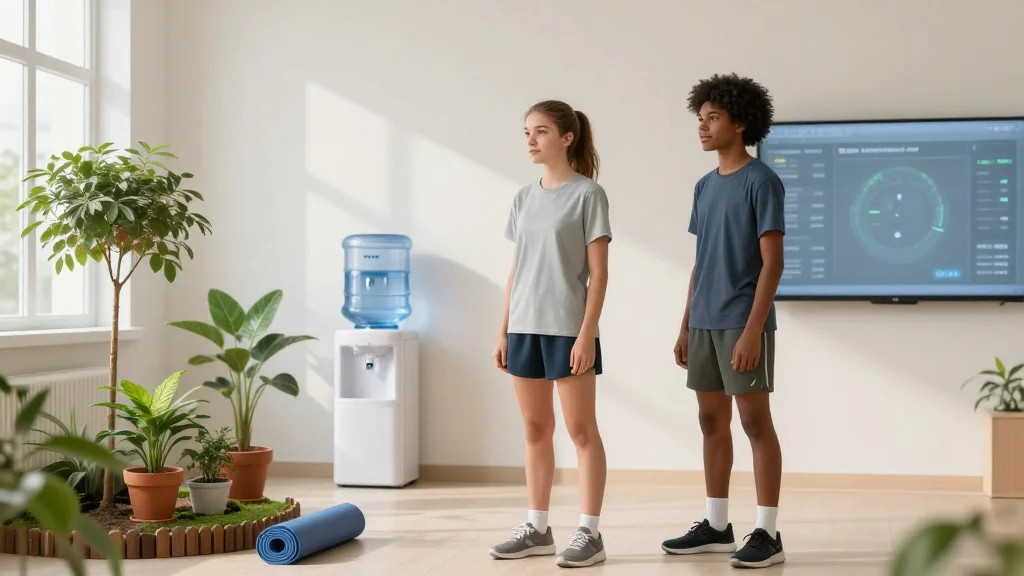
High School Athletes Find a Way to Center Themselves Amidst Violence in the Community
Why It Matters
Providing a structured mental‑health sanctuary in a high‑violence area improves student well‑being and academic performance, demonstrating a scalable model for schools facing similar challenges.
Key Takeaways
- •Carver High creates a Restoration Room for student mental health.
- •Breathing and visualization exercises reduce aggression among participants.
- •Program helped athletes improve on‑field communication and performance.
- •Peer support model aims to sustain after seniors graduate.
- •Violent community backdrop underscores need for school‑based coping spaces.
Pulse Analysis
In neighborhoods where gun violence and poverty intersect, schools are increasingly becoming frontline mental‑health providers. Winston‑Salem’s Carver High School responded to a spate of teen homicides and shootings by converting an unused classroom into a "Restoration Room," a safe haven for students to practice guided breathing, visualization, and group discussion. This low‑cost, evidence‑based approach mirrors techniques used in clinical settings, yet it is tailored for adolescents who need immediate, relatable coping tools during the school day.
Since its debut in November, the Restoration Room has yielded measurable behavioral shifts. Social worker James Transou notes a drop in door‑slamming, locker‑punching, and other outward signs of distress. Students like senior Jaydan Gause‑Hughes credit the routine breathing drills with reducing stress and enhancing focus, which coaches observe as smoother on‑field communication and more cohesive play. The peer‑led format empowers participants to become both beneficiaries and facilitators, fostering a culture of mutual accountability that persists beyond individual sessions.
The broader implication for educators is clear: integrating brief, structured mindfulness practices can serve as a protective factor against trauma‑related outcomes in high‑risk communities. As Carver High prepares to transition leadership to younger students, the model offers a replicable blueprint for districts seeking cost‑effective interventions that bolster resilience, improve academic engagement, and potentially lower disciplinary incidents. Policymakers and school administrators should consider scaling such programs, pairing them with professional counseling resources to maximize impact across diverse student populations.
High school athletes find a way to center themselves amidst violence in the community
Comments
Want to join the conversation?
Loading comments...