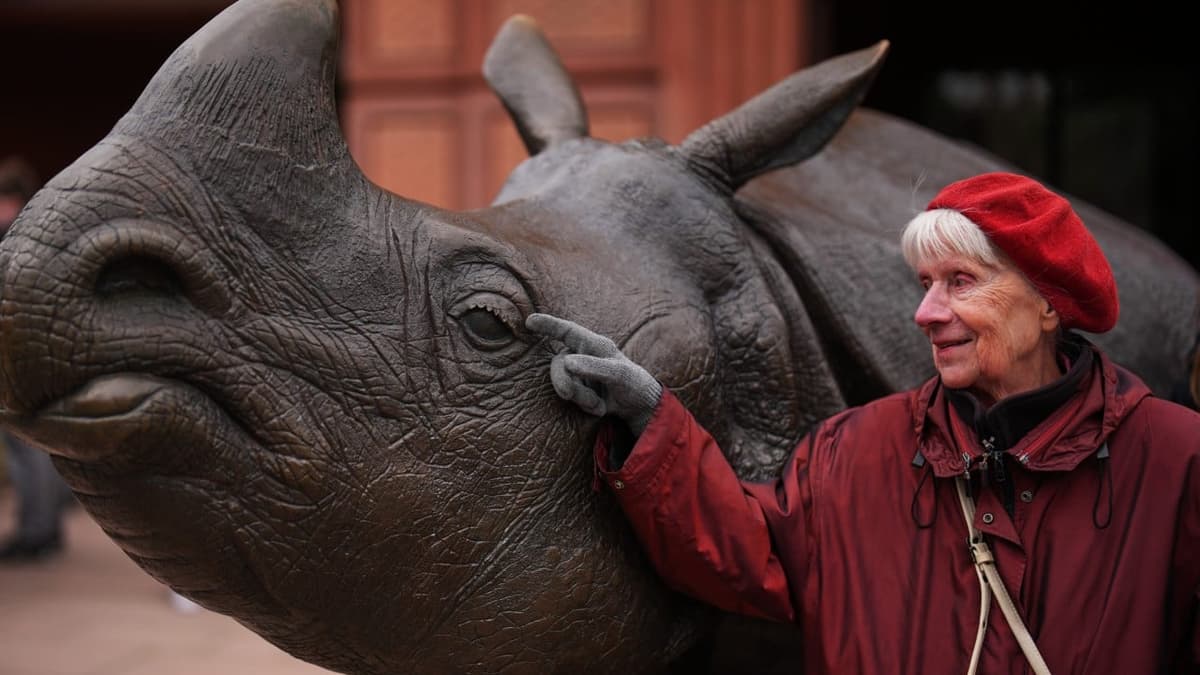
How a Zoo’s Sights, Sounds and Smells Can Benefit People with Dementia
Why It Matters
Inclusive cultural experiences provide therapeutic benefits for people with dementia while offering vital social support for caregivers, addressing a growing public‑health challenge as the ageing population expands. The model demonstrates how museums and zoos can become active partners in dementia care, setting a replicable standard for other cities.
Key Takeaways
- •Malteser Berlin runs dementia-friendly tours at zoo and museums.
- •Tours use sensory cues to trigger memories for participants.
- •Carers report increased social connection and reduced isolation.
- •Program aims to expand to more cultural sites across Germany.
- •Dementia cases in Germany projected to rise to 2.8 million by 2050.
Pulse Analysis
The rise in dementia diagnoses across Europe has prompted cultural institutions to rethink accessibility. By tailoring tours to the sensory needs of people with cognitive decline, Berlin’s zoo and museums are turning passive exhibition spaces into active therapeutic environments. Researchers note that familiar visual and olfactory stimuli can activate long‑term memories, offering moments of clarity and emotional comfort for participants who might otherwise feel isolated.
For caregivers, these specialised outings serve as a rare respite and a community‑building platform. Sharing a guided experience with peers who understand the challenges of dementia reduces the emotional burden of caregiving and fosters a support network. The tours also empower families to engage with their loved ones in a setting that balances stimulation with calm, reinforcing bonds that daily routines can strain.
The initiative’s scalability is its most compelling feature. As Germany anticipates a near‑doubling of dementia cases by 2050, the model provides a blueprint for other cities to integrate health‑focused programming into existing cultural venues. Partnerships between non‑profits like Malteser Berlin and public institutions can unlock funding, training, and outreach, ensuring that inclusive experiences become a standard rather than an exception. This approach not only enriches quality of life for millions but also positions cultural sectors as proactive contributors to public health solutions.
How a zoo’s sights, sounds and smells can benefit people with dementia
Comments
Want to join the conversation?
Loading comments...