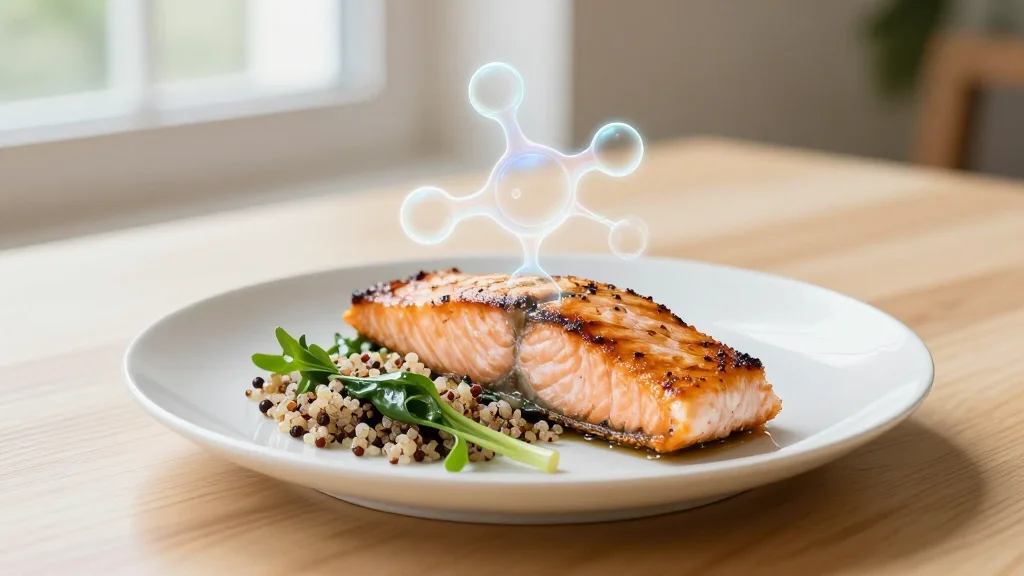
How AI Helped Me Spot The Real Reason Behind My Afternoon Cravings
Why It Matters
The case illustrates how AI can translate vague food logs into concrete nutritional feedback, helping individuals curb cravings and avoid over‑tracking. This low‑burden approach offers a scalable way to improve diet quality and metabolic health.
Key Takeaways
- •AI estimate revealed low protein linked to afternoon snack cravings
- •Raising lunch protein from 15g to ~30g eliminated most cravings
- •Protein boosts satiety hormones ghrelin, peptide YY, stabilizing blood sugar
- •Loose AI‑assisted tracking taught intuitive eating without obsessive calorie counting
Pulse Analysis
The rise of AI‑driven health apps has sparked a debate between data‑rich tracking and the risk of obsessive monitoring. Durgin’s experiment sidestepped traditional calorie counters by using a simple notes app and an AI model to estimate protein content. This hybrid method delivers the analytical power of machine learning while keeping the user experience light, demonstrating that technology can serve as a gentle guide rather than a punitive overseer.
Scientific research consistently links dietary protein to appetite regulation. Proteins stimulate satiety hormones such as ghrelin and peptide YY, slow carbohydrate absorption, and help maintain stable blood‑sugar levels. Durgin’s shift from roughly 15 g to 30 g of protein at lunch aligns with studies showing that modest protein boosts can dramatically reduce mid‑afternoon cravings, improve energy steadiness, and support muscle maintenance. The physiological basis underscores why a targeted protein increase can be more effective than broad calorie restriction.
For the broader wellness industry, this narrative offers a template for AI‑enhanced intuitive eating. By treating AI as an educational coach—providing feedback without demanding precise logging—users can develop a more embodied sense of nutrition. Such an approach could lower barriers to adoption, especially among those wary of data‑driven diets, and pave the way for scalable, low‑friction interventions that improve metabolic outcomes while preserving personal autonomy.
How AI Helped Me Spot The Real Reason Behind My Afternoon Cravings
Comments
Want to join the conversation?
Loading comments...