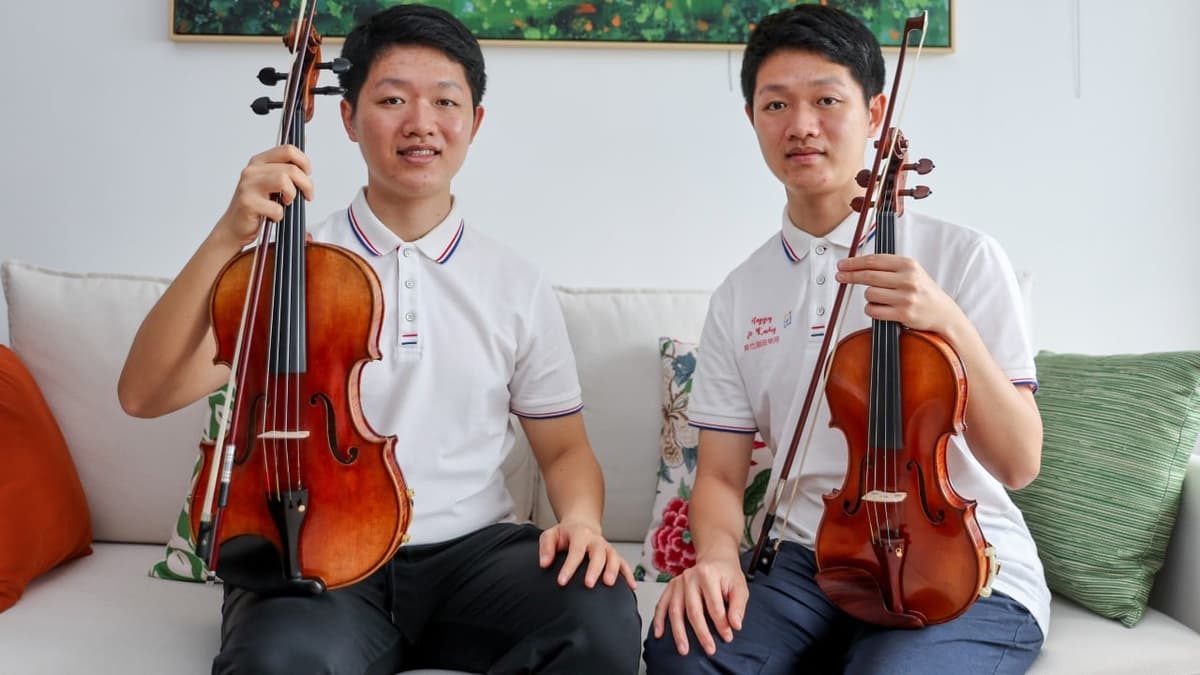
How Autistic Hong Kong Violinist Twins Found Joy and Confidence in Music
Why It Matters
Their success shows music’s therapeutic power and underscores the need for inclusive arts programs in Hong Kong, prompting greater policy and private‑sector support for autistic talent.
Key Takeaways
- •Twin violinists achieved Grade 8, perform internationally
- •Music program offered only eight seats for special‑needs children
- •Parent network filled gaps in Hong Kong autism services
- •Foundation creates professional orchestra for neurodivergent musicians
Pulse Analysis
Hong Kong’s autistic population is growing rapidly, yet government resources remain limited, leaving many families to rely on informal support networks. Parents often share information, coordinate private lessons, and seek community‑based outlets such as music to help their children regulate emotions and develop communication skills. Studies increasingly link structured musical training to improved social interaction and reduced sensory overload for neurodivergent children, making it a valuable therapeutic tool in a city where specialized services are scarce.
The Pang twins illustrate how tailored instruction can transform potential into professional achievement. After securing one of only eight seats in a special‑needs music class, they progressed from short, 15‑minute lessons to full‑hour sessions, eventually earning Grade 5 and then Grade 8 violin certifications. A scholarship from the Arts with the Disabled Association enabled a study stint in Vienna, while teacher Shirley Choi’s adaptive methods—focusing on auditory cues rather than visual prompts—leveraged their unique learning styles. Their inclusion in a 40‑musician neurodivergent orchestra demonstrates that high‑level performance is attainable when educators prioritize individualized pacing and emotional safety.
Visibility of autistic musicians on international stages reshapes public perception and encourages investment in inclusive arts initiatives. Performances at World Autism Awareness Day 2026 and the University of Hong Kong’s Grand Hall not only celebrate the twins’ talent but also spotlight the Hong Kong Arts Without Boundaries Foundation’s broader mission. As audiences witness professional-quality concerts by neurodivergent artists, policymakers and corporate sponsors are prompted to allocate funding for similar programs, fostering a more accessible cultural ecosystem that benefits both artists and the wider community.
How autistic Hong Kong violinist twins found joy and confidence in music
Comments
Want to join the conversation?
Loading comments...