How Cleaner Salt Production in Tanga Is Improving Nutrition Outcomes
Why It Matters
Cleaner, reliably iodized salt directly combats iodine deficiency, a leading cause of developmental delays in Tanzania, while strengthening the local salt value chain and farmer livelihoods.
Key Takeaways
- •Dam liners cut salt impurities by up to 90%
- •Upgraded pans enable two to three harvests per month
- •Cleaner salt boosts iodization efficiency and nutrient retention
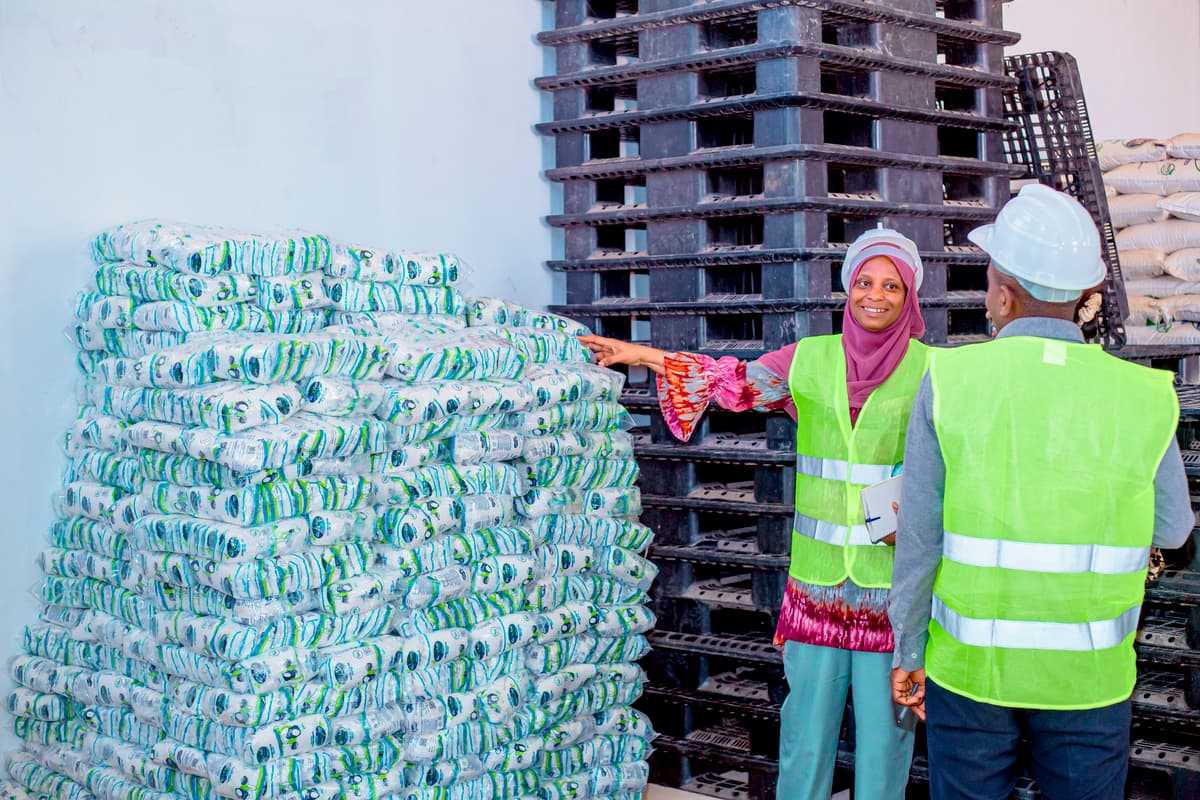
- •TAN SALT processes ten tons daily, supplying regional markets
- •Higher yields increase producer incomes, funding further quality improvements
Pulse Analysis
Iodine deficiency remains a silent public‑health threat across sub‑Saharan Africa, impairing cognitive development and increasing goitre risk. In Tanzania, where salt is the primary vehicle for fortification, inconsistent iodization has limited the nation’s ability to meet WHO micronutrient targets. By improving the upstream quality of raw salt, GAIN addresses the root cause of iodine loss—contamination and variable moisture—that undermines fortification efficacy. The intervention aligns with global nutrition strategies that prioritize food‑based solutions over supplementation, offering a scalable model for other mineral‑deficient regions.
The technical upgrades introduced in Tanga’s coastal salt pans illustrate how modest infrastructure can generate outsized health gains. Dam liners prevent soil and debris from mixing with crystals, while new pumps regulate brine flow, producing drier, purer salt that retains iodine during processing. Larger, lined pans increase surface area, allowing producers to harvest two to three times per month and deliver a steady supply to the TAN SALT refinery. This reliability has boosted the refinery’s capacity utilization, enabling it to meet regional demand and expand exports to neighboring markets, thereby creating a virtuous cycle of demand, investment, and nutrition outcomes.
Beyond nutrition, the project reshapes the local economy. Cleaner salt commands higher prices, lifting farmer incomes and funding further quality improvements. TAN SALT’s workforce is 67% female, highlighting gender‑inclusive growth in the value chain. As demand for fortified salt rises, the model can be replicated across Tanzania’s coastal districts, reinforcing national iodine‑deficiency elimination goals. Continued maintenance of liners and pumps, coupled with market‑linkage support, will be essential to sustain these gains and scale the impact to millions of households.
How Cleaner Salt Production in Tanga Is Improving Nutrition Outcomes
Comments
Want to join the conversation?
Loading comments...