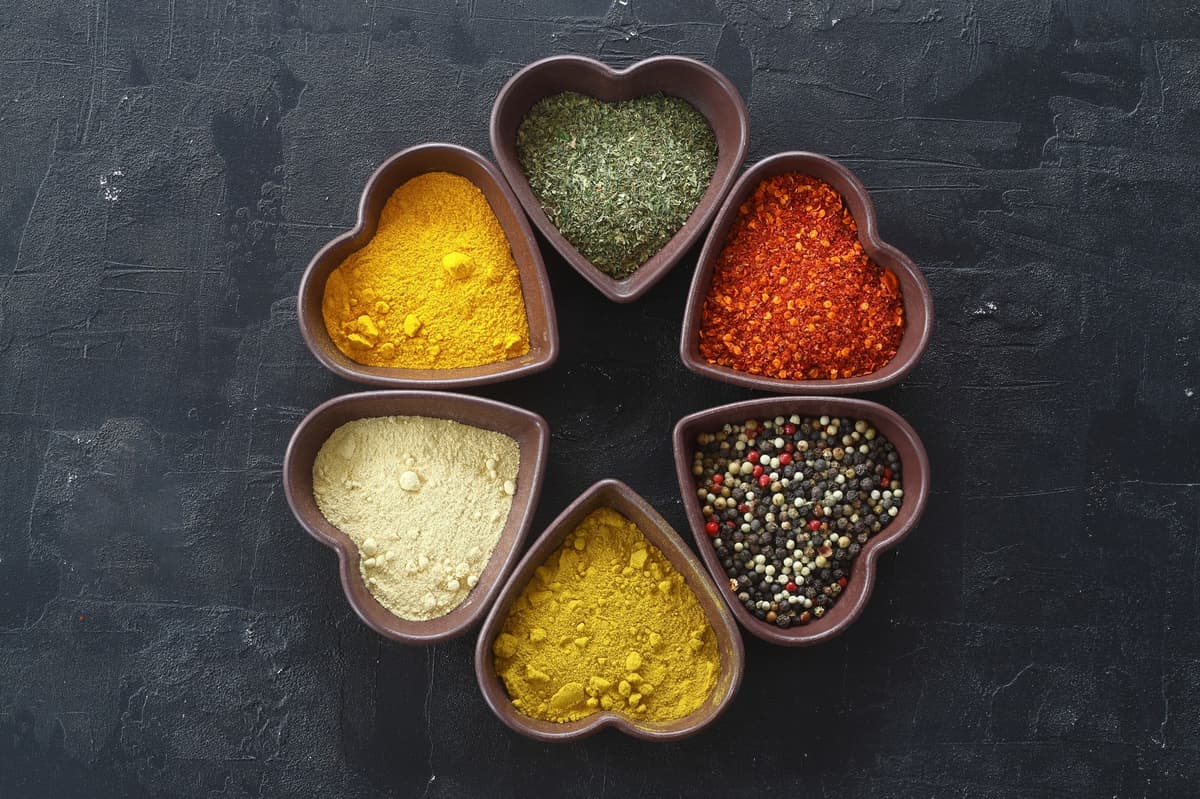
How Do Everyday Spices Help Protect the Heart?
Companies Mentioned
Why It Matters
The findings suggest an inexpensive, easily adoptable dietary strategy to attenuate cardiovascular risk factors, offering a potential adjunct to conventional lifestyle interventions.
Key Takeaways
- •High‑spice diet cut 24‑hr systolic BP vs moderate dose
- •6 g spice blend lowered post‑meal triglycerides by 31 %
- •Spices increased beneficial gut bacteria Ruminococcaceae and Agathobacter
- •Moderate seasoning reduced plasma interleukin‑6 levels
- •Over 90 spice‑derived metabolites detected in blood after regular use
Pulse Analysis
Culinary herbs and spices have moved beyond the kitchen into the realm of nutritional therapeutics. Compounds such as cinnamaldehyde in cinnamon, curcumin in turmeric, and allicin in garlic exhibit antioxidant and anti‑inflammatory properties that can modulate metabolic pathways. Epidemiological data have long linked spice‑rich diets with lower cardiovascular mortality, prompting researchers to isolate the mechanistic underpinnings through controlled feeding studies. By delivering bioactive phytochemicals in gram‑scale portions, spices offer a low‑cost, widely accessible means to influence blood lipids, glucose handling, and endothelial function.
The Nutrition Reviews supplement synthesizes evidence from post‑prandial trials and a four‑week feeding experiment. Acute studies show that a mixed spice blend (≈6 g) can blunt the post‑meal surge in triglycerides by roughly 30 % and improve insulin response, while also enhancing circulating antioxidant capacity. In the longer‑term trial, participants consuming about 6.6 g of seasonings per day experienced modest reductions in ambulatory systolic and diastolic blood pressure, alongside lower interleukin‑6 and a shift toward short‑chain‑fatty‑acid‑producing gut microbes such as Ruminococcaceae. These multidimensional benefits suggest that spices act on both vascular tone and systemic inflammation.
For consumers, the message is simple: integrating a modest amount of diverse spices into everyday meals may confer measurable cardiometabolic gains without altering macronutrient composition. Food manufacturers and the spice industry can leverage these findings to develop fortified seasoning blends or functional products aimed at heart‑health markets. Nonetheless, the review highlights gaps—optimal dose, spice combinations, and long‑term safety in diverse populations remain unresolved. Future large‑scale, randomized trials will be essential to translate these promising signals into evidence‑based dietary guidelines.
How do everyday spices help protect the heart?
Comments
Want to join the conversation?
Loading comments...