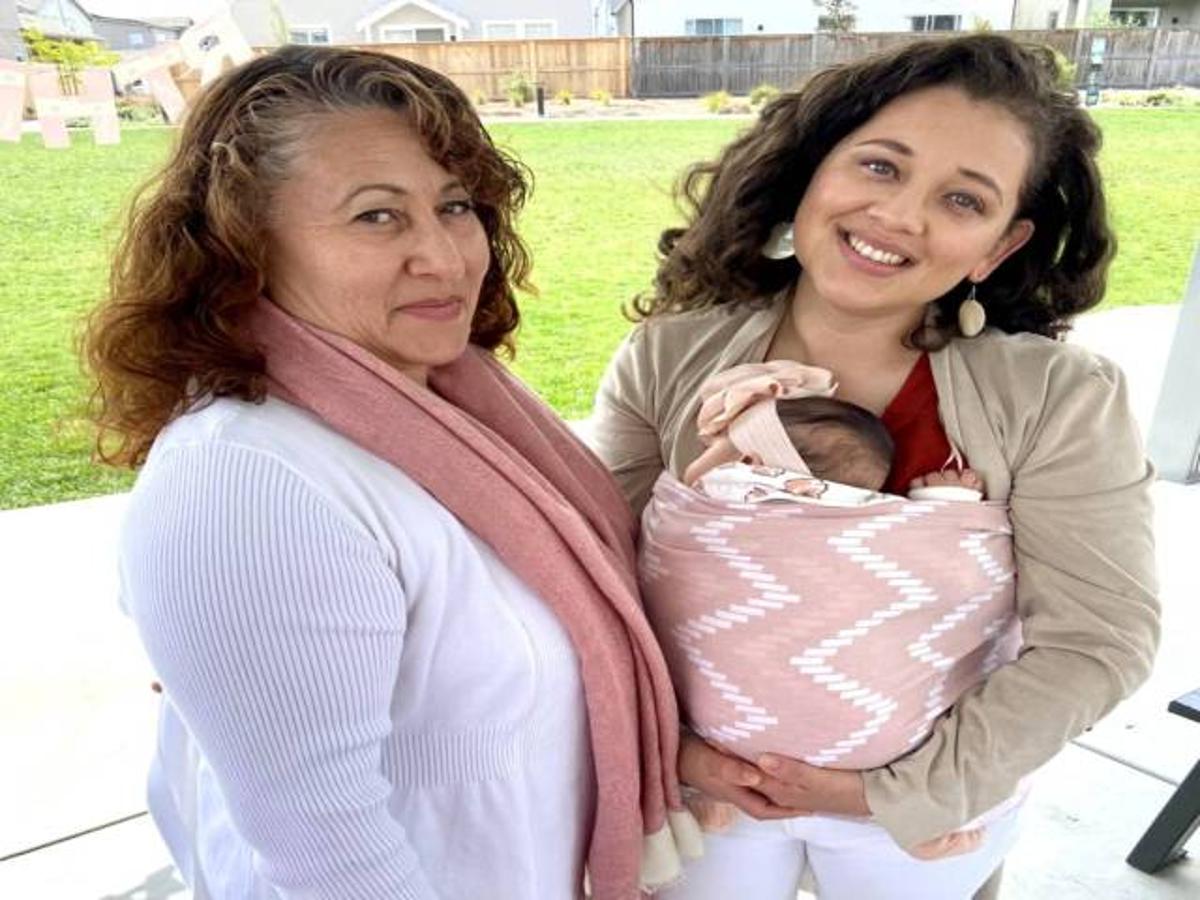
How Fear of Separation Is Reshaping Latino Families—And What Communities Can Do
Why It Matters
The chronic anxiety of possible separation undermines health outcomes and social integration, affecting immigrant households and the broader public‑health landscape.
Key Takeaways
- •ICE detentions of lawful residents heighten Latino families' health avoidance.
- •Anticipatory fear links to delayed doctor visits and increased depression.
- •Ambiguous loss from deportation disrupts child development and education.
- •Community legal aid and trauma‑informed counseling reduce psychological distress.
- •Policy shifts toward alternatives to detention can preserve family unity.
Pulse Analysis
The legacy of family separation in the United States stretches from 18th‑century slave laws to modern immigration enforcement, but the current climate intensifies its daily impact on Latino households. Researchers note that expanded interior enforcement, Secure Communities agreements, and the 2018 Zero Tolerance policy have turned routine encounters—traffic stops, workplace raids—into potential triggers for detention. This environment creates a pervasive sense of anticipatory grief, where families preemptively alter behavior to avoid ICE scrutiny, fundamentally reshaping decisions about health, education, and community participation.
Health scholars link these enforcement pressures to measurable declines in preventive care and mental‑health outcomes. Studies show each additional ICE encounter raises the likelihood of postponed doctor visits and amplifies depressive symptoms among adolescents. The concept of ambiguous loss—where a parent’s physical absence lacks closure—exacerbates trauma, disrupting developmental trajectories and lowering academic engagement. Such psychological strain does not stay confined to immigrant families; it ripples through schools, workplaces, and local health systems, inflating costs and eroding social cohesion.
In response, community‑based organizations are deploying culturally attuned interventions that combine legal representation, trauma‑informed counseling, and peer support. Programs offering universal legal aid have demonstrated higher case success rates and greater family stability, while school‑based mental‑health services rebuild trust and mitigate anxiety. Scholars advocate for alternatives to detention, such as case‑management models, which maintain compliance without fracturing families. These evidence‑based strategies suggest that humane policy reforms can protect child development, improve public‑health metrics, and ultimately benefit the broader American society.
How Fear of Separation is Reshaping Latino Families—and What Communities Can Do
Comments
Want to join the conversation?
Loading comments...