How Skill-Based Hobbies Are Being Used to Reduce Stress and Anxiety
Why It Matters
Skill‑based hobbies deliver a scalable, low‑cost solution for mental‑wellness that complements clinical care and can be monetized through classes, apps, and community platforms.
Key Takeaways
- •Skill-based hobbies shift focus from anxiety to active learning
- •Physical hobbies release endorphins, lowering stress hormones naturally
- •Creative pursuits provide emotional outlets and promote mindfulness
- •Group classes add social support, boosting confidence and routine
Pulse Analysis
The surge in mental‑health concerns has driven a shift toward proactive self‑care, and skill‑based hobbies sit at the intersection of recreation and therapy. Unlike passive scrolling, activities such as learning a musical instrument or mastering a sport require sustained attention, which interrupts rumination cycles and anchors the brain in the present moment. Research shows that this type of deliberate practice stimulates neuroplasticity, reinforcing pathways associated with reward and self‑efficacy, thereby reducing the physiological markers of stress.
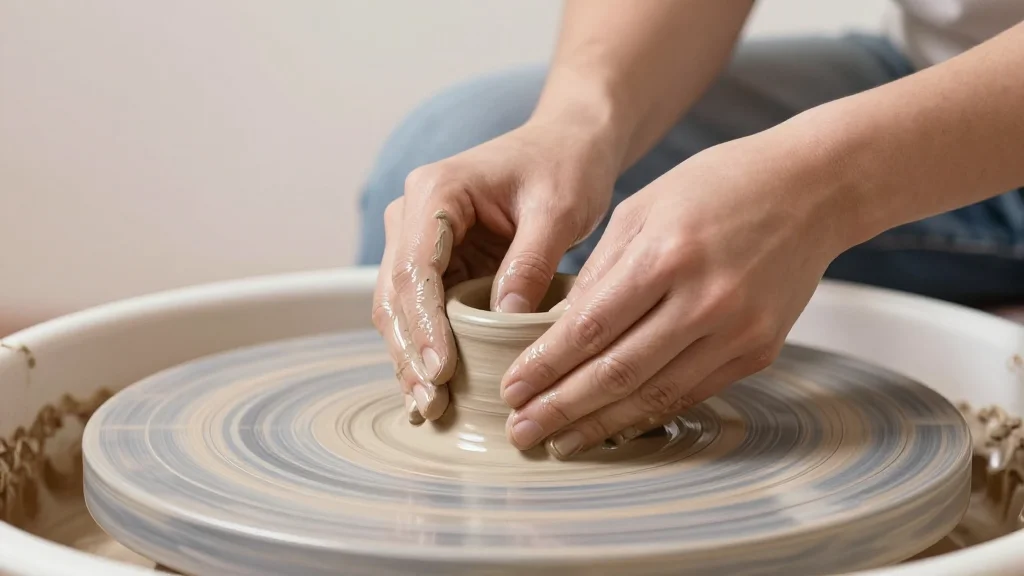
Physical skill‑based pursuits amplify these benefits by coupling cognitive focus with aerobic movement. Activities like tennis, swimming, or martial arts trigger the release of endorphins and lower cortisol, creating a natural mood‑lifting effect. The structured nature of guided lessons also instills discipline, turning occasional workouts into habitual routines that protect against burnout. Meanwhile, creative hobbies—painting, writing, photography—serve as emotional outlets, allowing individuals to externalize inner turbulence and cultivate mindfulness through detailed, sensory‑rich engagement.
The social dimension of hobby participation further magnifies its impact. Community classes, workshops, and online groups foster belonging, accountability, and peer encouragement, all of which are linked to lower anxiety levels. This communal aspect has opened a lucrative market for platforms offering virtual instruction, subscription kits, and hybrid experiences. As employers recognize the productivity gains of a mentally resilient workforce, corporate wellness programs are increasingly integrating skill‑based hobby initiatives, cementing their role as a cornerstone of modern stress‑management strategies.
How Skill-Based Hobbies Are Being Used to Reduce Stress and Anxiety
Comments
Want to join the conversation?
Loading comments...