How to Be Active in the Sun and Be Good to Your Skin
Why It Matters
Neglecting sun safety drives rising skin‑cancer rates, threatening public health and the longevity of active lifestyles. Implementing simple protective habits reduces long‑term medical costs and supports a healthier fitness market.
Key Takeaways
- •Skin cancer rates rise 1.2% annually, now 5% of U.S. cancers
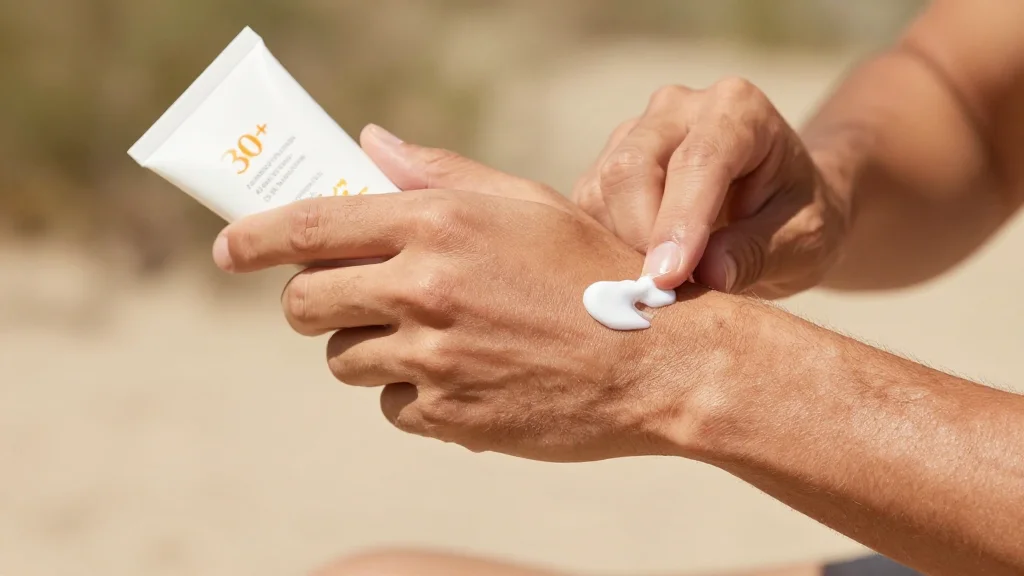
- •Broad‑spectrum SPF 30+ sunscreen protects, reapply every two hours
- •Schedule workouts early morning or late evening to avoid peak UV
- •Wear UPF clothing, hats, and sunglasses for added UV defense
Pulse Analysis
Skin cancer remains the most prevalent cancer in the United States, accounting for roughly 5% of new diagnoses and climbing about 1.2% each year. As more Americans embrace outdoor fitness—running, hiking, cycling—the gap between activity and sun protection widens, leaving a sizable portion of the population vulnerable to UV‑induced damage. Health professionals warn that over 25% of adults fail to use sunscreen or protective clothing consistently, a shortfall that translates into higher long‑term treatment costs and reduced quality of life for active individuals.
The guide breaks down actionable steps that fit seamlessly into an active routine. Scheduling workouts before 10 a.m. or after 4 p.m. sidesteps peak UV intensity, while a shot‑glass‑sized amount of broad‑spectrum SPF 30+ sunscreen—reapplied every two hours or after heavy sweating—creates a reliable chemical shield. Complementary defenses include UPF‑rated apparel, wide‑brim hats, and polarized sunglasses, which together block a substantial fraction of harmful rays. Regular self‑exams and dermatologist visits catch early skin changes, turning prevention into early detection.
For the fitness industry, integrating sun‑safety messaging into apps, wearables, and class curricula presents a growth opportunity. Brands that bundle UV‑alert features or partner with dermatology experts can differentiate themselves while contributing to public health. As climate patterns shift and UV exposure potentially intensifies, proactive sun protection will become a cornerstone of sustainable, lifelong fitness, reinforcing both individual well‑being and broader economic resilience.
How to Be Active in the Sun and Be Good to Your Skin
Comments
Want to join the conversation?
Loading comments...