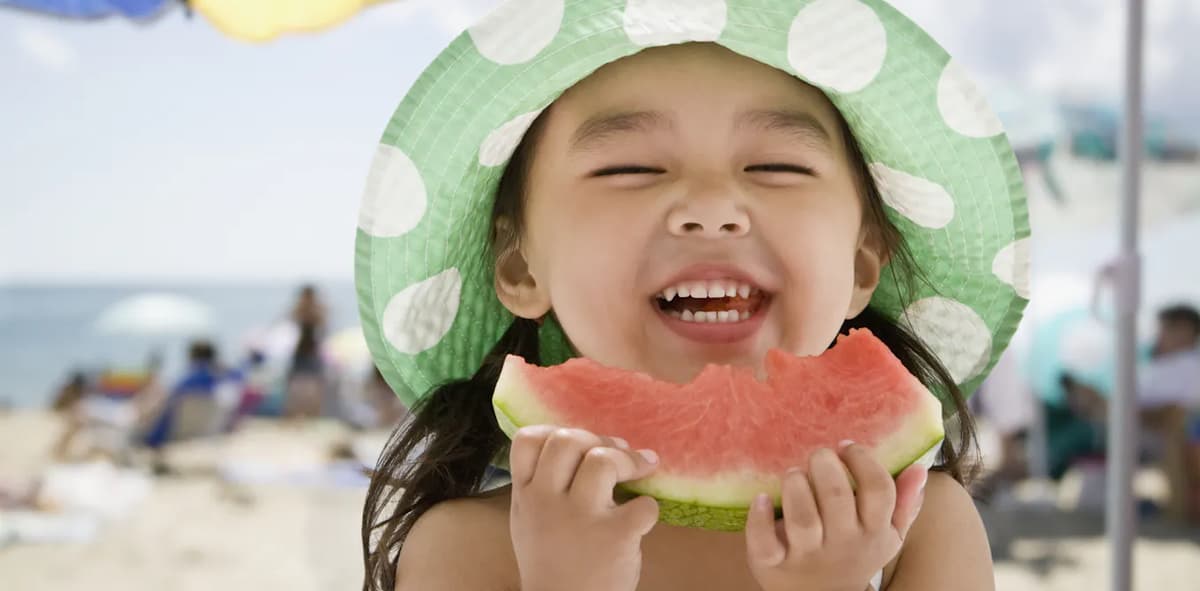
How to Model Good Eating and Body Image Habits for Your Kids
Why It Matters
Early parental modeling can prevent the progression from disordered eating to full‑blown eating disorders, protecting both mental and physical health across a generation.
Key Takeaways
- •22% of youth worldwide show disordered eating behaviors
- •Avoid labeling foods as “good” or “bad” to reduce shame
- •Model neutral body talk; avoid criticizing your own appearance
- •Trust kids to self‑regulate hunger and fullness cues
- •Encourage pleasure in eating and body neutrality for healthier attitudes
Pulse Analysis
Disordered eating among children is no longer a niche concern; recent research shows that roughly one‑in‑five adolescents engage in harmful eating patterns, with girls disproportionately affected. While media and peer pressure play a role, parents remain the most influential factor in shaping attitudes toward food and body image. When caregivers frame meals in moral terms or openly criticize their own bodies, they inadvertently teach children to associate eating with guilt and self‑judgment, laying groundwork for future eating disorders.
Psychologists emphasize four key behaviors parents should eliminate. First, ditch the "good vs. bad" food narrative, which turns nutrition into a moral ledger. Second, avoid commenting on anyone's weight or appearance, as comparison fuels insecurity. Third, replace appearance‑based compliments with praise for effort, creativity, or kindness. Finally, refrain from self‑deprecating body talk; children mirror these cues and may internalize negative self‑talk. Studies link these habits to heightened body dissatisfaction and increased risk of binge or restrictive eating.
Practical solutions focus on empowerment rather than control. Trusting children to listen to internal hunger and fullness signals supports natural self‑regulation, reducing power struggles at the table. Parents can model enjoyment of diverse foods and adopt a body‑neutral stance—valuing function over looks—to foster a balanced mindset. When challenges arise, early consultation with dietitians or psychologists specializing in eating disorders can redirect trajectories, ensuring children develop a resilient, healthy relationship with food and their bodies.
How to model good eating and body image habits for your kids
Comments
Want to join the conversation?
Loading comments...