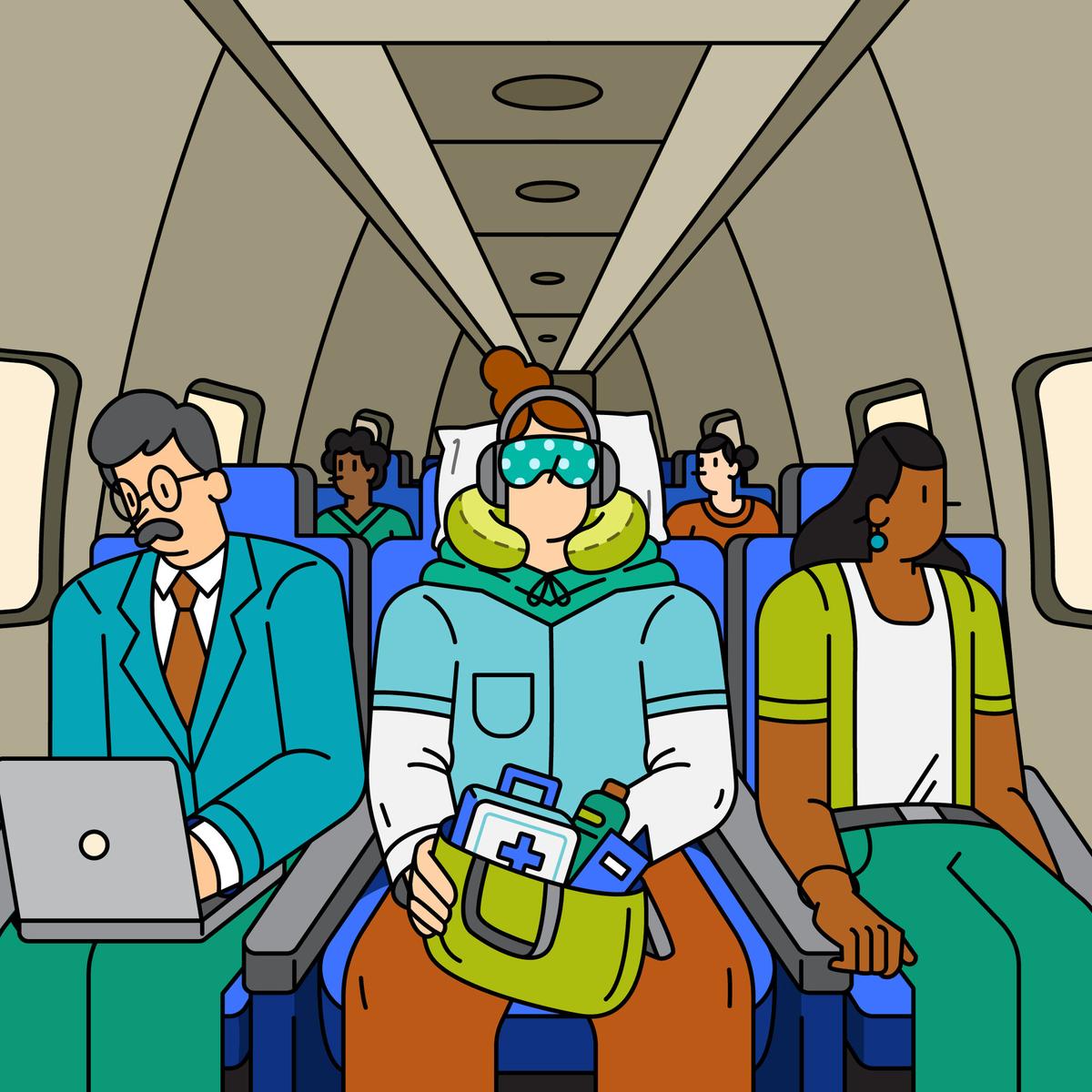
How to Travel if You Have Panic Attacks
Companies Mentioned
Why It Matters
Panic‑related travel avoidance costs the tourism industry billions and limits personal well‑being; equipping travelers with evidence‑based coping tools expands market participation and improves mental‑health outcomes.
Key Takeaways
- •Practice short local trips as exposure therapy.
- •Treat anticipatory anxiety as a warning, not a threat.
- •Plan coping tools: medication, breathing, safe spaces.
- •Seek professional guidance from anxiety specialists before travel.
Pulse Analysis
Travel anxiety, especially panic attacks, is more common than many airlines and tour operators realize. Studies estimate that up to 10% of frequent flyers have experienced a panic episode, leading some to cancel trips or avoid certain destinations. This hidden barrier not only reduces individual quality of life but also trims revenue for hospitality and transport sectors. By acknowledging the prevalence of anxiety disorders, the travel industry can better tailor services—such as discreet quiet zones on planes or pre‑flight counseling—to capture a broader customer base.
Exposure therapy, a cornerstone of cognitive‑behavioral treatment, proves especially effective when applied to travel scenarios. Short, low‑stakes outings—like a museum visit or a nearby market stroll—allow sufferers to test predictions about panic triggers in a controlled environment. Research published in the Journal of Anxiety Disorders shows that repeated, graded exposure reduces both the frequency and intensity of attacks by up to 40%. Coupled with the concept of anticipatory anxiety, which reframes nervous energy as a proactive alert system, travelers can shift from avoidance to preparation, turning fear into a strategic planning tool.
Implementing these insights requires collaboration between mental‑health professionals and travel providers. Airlines are beginning to train staff on recognizing panic symptoms and offering discreet assistance, while hotels are incorporating mindfulness resources into guest apps. For travelers, a pre‑trip checklist—medication plan, breathing exercises, identified safe spaces, and a brief consultation with a therapist—creates a safety net that boosts confidence. As the sector embraces mental‑health‑friendly policies, the market stands to gain both loyal customers and a reputation for inclusive, supportive travel experiences.
How to Travel if You Have Panic Attacks
Comments
Want to join the conversation?
Loading comments...