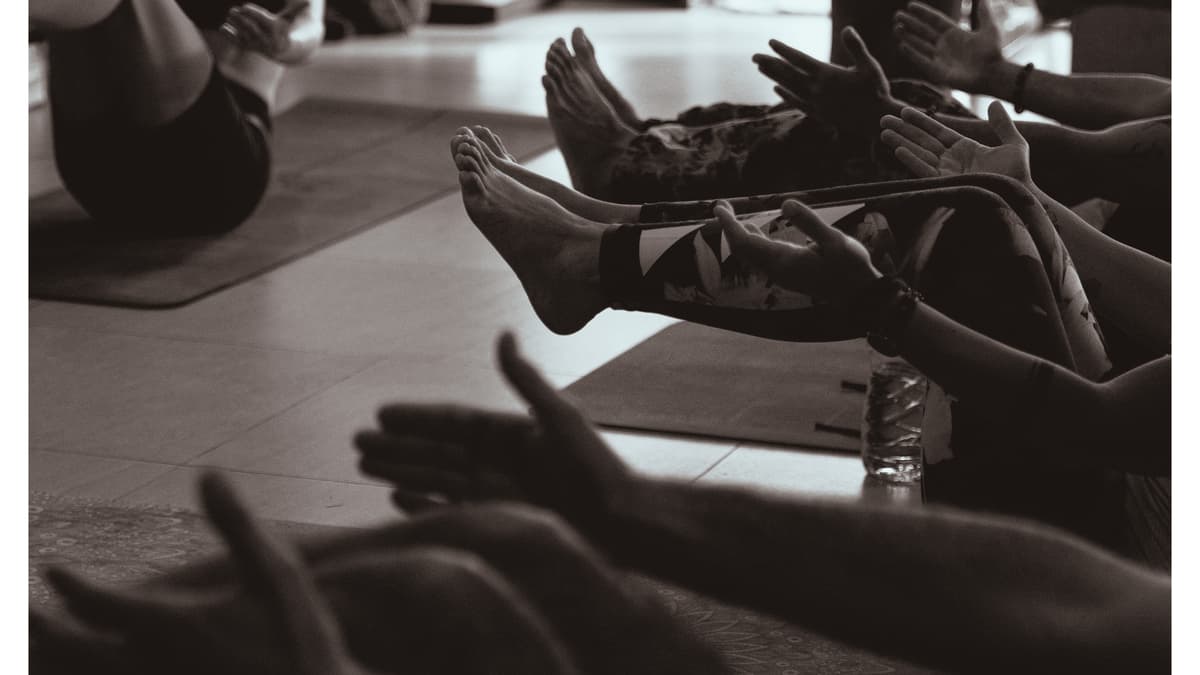
I Stopped Saying This Popular Cue When I Teach Yoga. Here’s Why.
Why It Matters
The change highlights how wellness businesses must balance accessibility with effective instruction to retain clients and drive measurable health outcomes.
Key Takeaways
- •‘Do what feels good’ cue became default for many yoga teachers
- •Overreliance can limit student progress and mask inadequate lesson planning
- •Brunson now blends specific cues with autonomy‑supporting language
- •Intentional sequencing and in‑room observation improve class effectiveness
- •Balanced cueing fosters inclusivity while encouraging proper alignment
Pulse Analysis
The rise of vague, feel‑good cues reflects a broader industry push toward inclusive language, but it also signals a potential dilution of instructional quality. Studios that rely on generic prompts risk creating classes that feel safe yet lack the progressive challenge needed for long‑term student growth. As wellness consumers become more data‑savvy, they increasingly expect measurable improvements—whether in flexibility, core strength, or injury prevention. When teachers default to ambiguous guidance, studios may see higher churn rates as participants seek more structured experiences elsewhere.
From a business perspective, precise cueing translates into clearer value propositions. Instructors who articulate alignment, breathing, and muscular engagement can more effectively track client milestones, enabling studios to market outcomes such as reduced back pain or increased functional strength. This data‑driven narrative supports premium pricing, membership retention, and cross‑selling opportunities like targeted workshops or online programs. Moreover, teachers who demonstrate intentional sequencing signal professionalism, enhancing brand reputation and attracting corporate wellness contracts that demand demonstrable ROI.
Brunson’s revised methodology offers a blueprint for studios aiming to blend inclusivity with performance. By rehearsing sequences, observing students in real time, and providing concrete options before invoking the feel‑good cue, teachers empower practitioners to make informed choices while still receiving expert direction. Implementing regular instructor audits, cue‑library development, and feedback loops can institutionalize this balance. The result is a differentiated product that satisfies both the desire for personal autonomy and the market’s demand for tangible health benefits, positioning studios for sustainable growth.
I Stopped Saying This Popular Cue When I Teach Yoga. Here’s Why.
Comments
Want to join the conversation?
Loading comments...