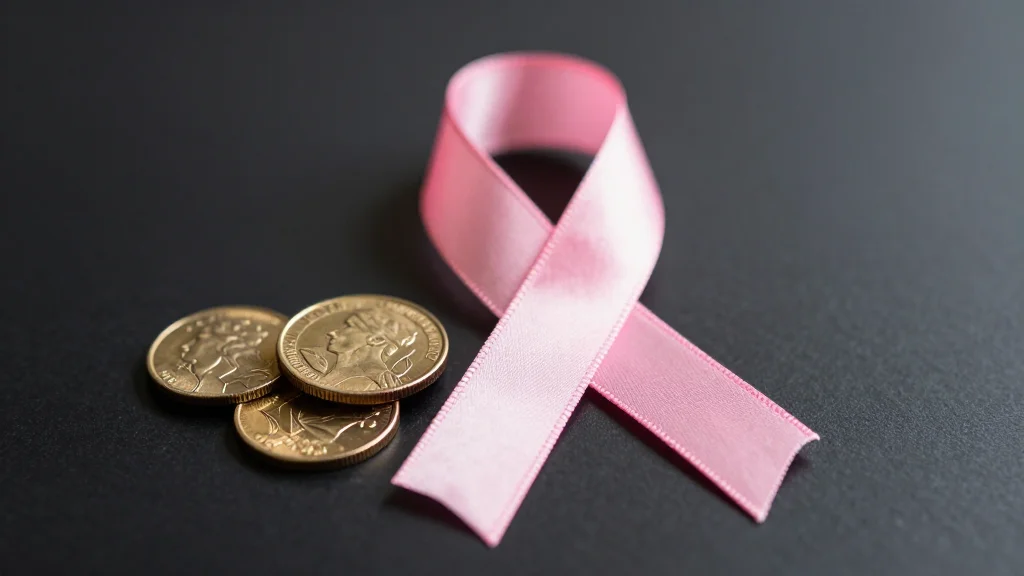
I Survived Breast Cancer. I Wasn't Prepared for What Came Next.
Why It Matters
The story reveals that cancer survivorship extends beyond medical clearance, affecting mental health, finances, and workplace stability, prompting a need for broader support systems.
Key Takeaways
- •Survivors often experience PTSD‑like symptoms years after treatment
- •Ongoing scans trigger anxiety about cancer recurrence
- •Out‑of‑pocket costs persist despite insurance coverage
- •Survivor's guilt intensifies when peers experience relapse
- •Employers need flexible policies for long‑term survivor support
Pulse Analysis
Surviving breast cancer does not end with a clean bill of health; many patients grapple with lingering trauma that mirrors post‑traumatic stress disorder. Therapies such as EMDR can alleviate flashbacks, yet everyday sounds—like a coffee‑shop timer—can reignite panic, illustrating how deeply the disease embeds itself in the brain’s threat circuitry. This psychological shadow fuels survivor’s guilt, especially when peers confront new diagnoses, creating a paradox of gratitude and sorrow that many feel compelled to hide behind a brave façade.
Financial repercussions stretch well beyond the active treatment window. Even after hitting out‑of‑pocket maximums, patients face recurring expenses for imaging, lab work, and specialist visits, while also absorbing indirect costs such as travel, vehicle wear, and lost income from time off work. For young adults, these burdens intersect with career development and family planning, amplifying stress and highlighting gaps in insurance structures that were never designed for chronic survivorship care.
The broader implications demand systemic change. Employers should adopt flexible scheduling, remote‑work options, and mental‑health benefits tailored to long‑term cancer survivors. Insurers need to reconsider coverage models that account for ongoing surveillance and ancillary costs. Meanwhile, healthcare providers must normalize discussions about post‑remission anxiety and financial counseling, fostering a holistic approach that treats survivorship as a continuous journey rather than a finite endpoint.
I survived breast cancer. I wasn't prepared for what came next.
Comments
Want to join the conversation?
Loading comments...