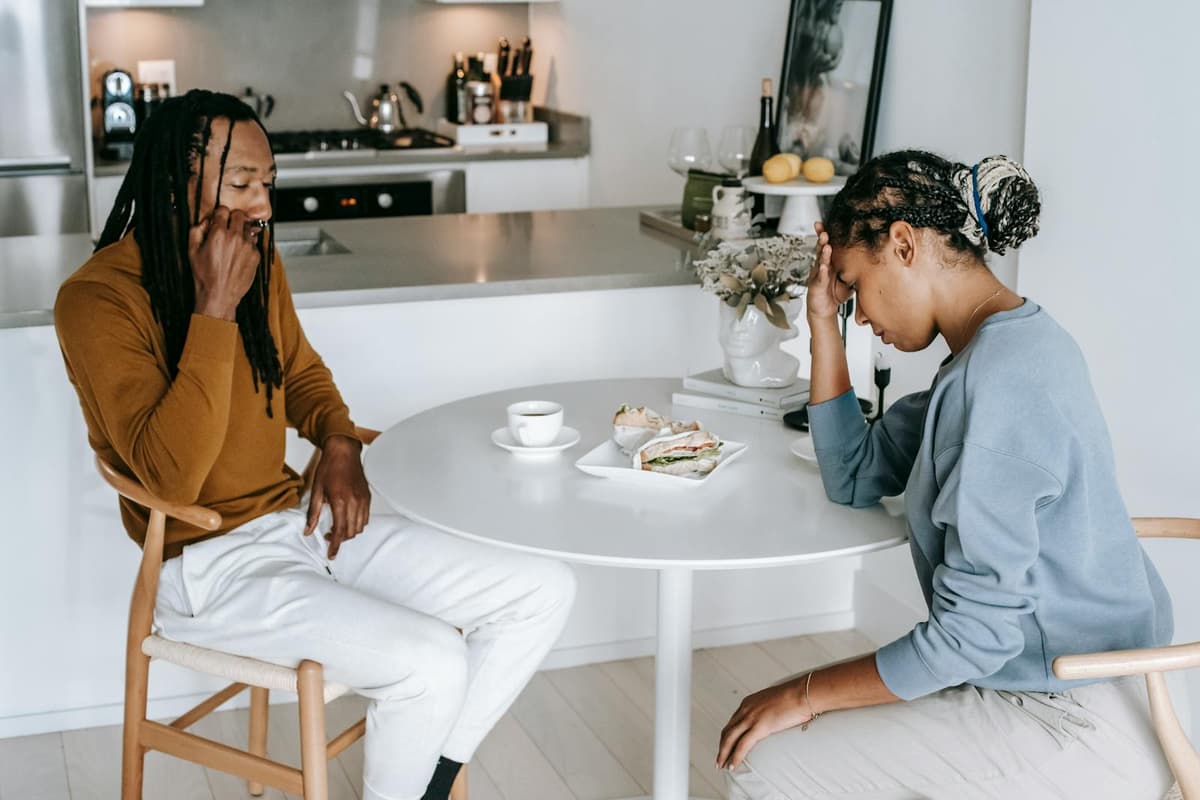
I’m 37 and I Finally Figured Out that Vulnerability Isn’t Saying Something Brave in a Room Full of Strangers – It’s Telling the Person Who Matters Most that You’re Not Okay and Meaning It
Companies Mentioned
Why It Matters
Authentic emotional honesty transforms personal relationships and challenges the broader cultural script that equates bravery with public disclosure, offering a roadmap for healthier intimacy and mental well‑being.
Key Takeaways
- •Public vulnerability often masks deeper private emotional avoidance
- •Men frequently default to “fine” due to cultural conditioning
- •Authentic honesty with a partner strengthens intimacy and trust
- •Pausing before answering reveals true feelings, improving communication
- •Learning a new language mirrors discomfort of emotional openness
Pulse Analysis
Vulnerability has become a buzzword in self‑help circles, yet most advice still treats it as a performative act for an audience. The real power of emotional honesty lies in the private sphere, where a single confession to a partner can reshape the dynamics of trust and intimacy. By distinguishing public storytelling from private disclosure, the article highlights a gap in mainstream personal‑development narratives: the lack of focus on the everyday, uncomfortable conversations that actually sustain relationships.
Cultural conditioning, especially among men in Western societies, reinforces a default response of "fine" that masks deeper anxieties. This script, rooted in early socialization, limits emotional vocabulary and prevents men from articulating fear, jealousy, or insecurity. The author's personal journey—spanning Australian upbringing, Buddhist insights, and the challenge of learning Vietnamese—illustrates how confronting linguistic inadequacy mirrors the struggle to voice inner turmoil. Both require surrendering competence and embracing vulnerability without applause, a process that gradually builds emotional muscle.
Practical habits can bridge the gap between intention and action. A brief pause before answering a partner's "How are you?" creates a moment of self‑check, allowing the authentic feeling to surface rather than the convenient default. This simple technique, combined with a willingness to share imperfect emotions, cultivates a climate of true presence, as described by Thich Nhat Hanh. For professionals and leaders, modeling this private vulnerability can ripple into healthier workplace cultures, where genuine connection outweighs performative bravery.
I’m 37 and I finally figured out that vulnerability isn’t saying something brave in a room full of strangers – it’s telling the person who matters most that you’re not okay and meaning it
Comments
Want to join the conversation?
Loading comments...