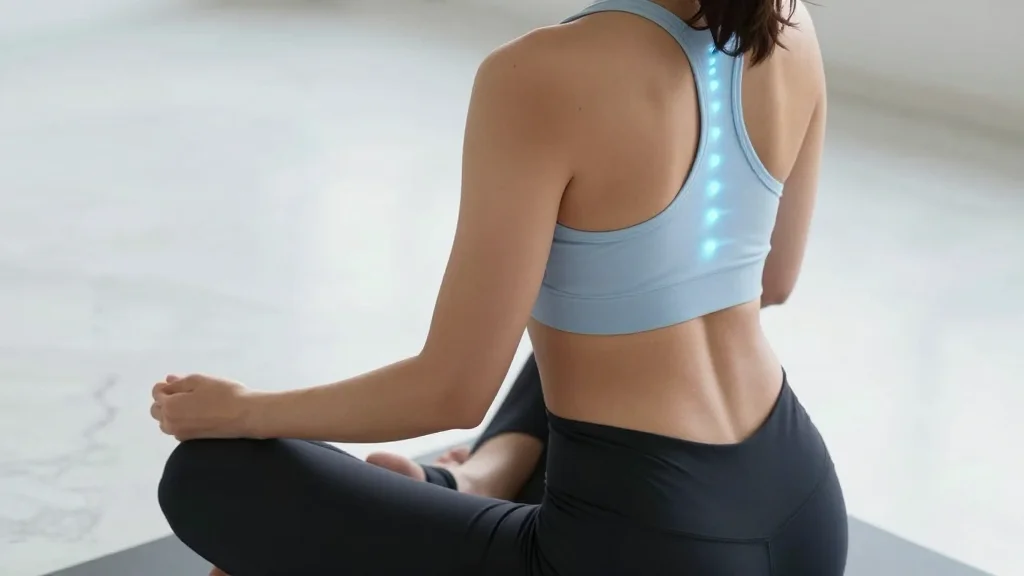
Is Sitting with Your Legs Crossed Actually Bad for You?
Why It Matters
Understanding that leg‑crossing is largely harmless shifts focus to genuine risk factors like inactivity, informing workplace ergonomics and post‑surgical guidance. This insight helps reduce unnecessary restrictions and promotes healthier sitting habits.
Key Takeaways
- •Evidence linking crossed legs to joint damage is minimal.
- •Prolonged static posture, not leg crossing, causes stiffness.
- •Varicose veins risk stems from genetics, not sitting habits.
- •Post‑surgery guidelines on leg crossing are being re‑evaluated.
- •Frequent movement outweighs perfect posture for musculoskeletal health.
Pulse Analysis
Modern ergonomics has moved beyond the notion of a single "perfect" sitting posture. Recent research shows that crossing the legs does not increase the risk of back pain, joint degeneration, or varicose veins; instead, the body’s adaptability allows a range of positions without lasting harm. What matters more is the duration spent in any one posture, as static sitting can lead to muscle stiffness, reduced circulation, and discomfort. This shift in understanding encourages professionals to prioritize dynamic seating solutions and regular movement breaks rather than policing leg position.
The misconception that crossed‑leg sitting damages hips or knees stems from outdated health advice and cultural expectations of disciplined posture. Studies comparing various sitting styles found no consistent link between leg crossing and long‑term joint injury. Real joint health hinges on factors such as regular physical activity, maintaining a healthy weight, and strengthening surrounding musculature. For patients recovering from hip replacement, clinicians are re‑examining strict no‑cross‑leg rules, with recent trials indicating that relaxed guidelines do not raise dislocation rates.
For businesses and individuals seeking to improve workplace wellness, the actionable takeaway is simple: encourage frequent posture changes and brief standing or walking intervals. Adjustable desks, sit‑stand cycles, and reminders to shift weight can mitigate the risks associated with prolonged sitting. By focusing on movement diversity rather than rigid posture enforcement, organizations can reduce musculoskeletal complaints, boost productivity, and support employee health in a cost‑effective manner.
Is sitting with your legs crossed actually bad for you?
Comments
Want to join the conversation?
Loading comments...