‘It Was a Way of Processing Violences I’ve Survived’: How Iconoclastic Musician Arca Beat Burnout with Frenzied Painting
Companies Mentioned
Why It Matters
Arca’s pivot highlights the growing need for mental‑health outlets among high‑profile artists, while her exhibition expands the dialogue between music and contemporary visual art. It underscores how multidisciplinary expression can revive artistic output and influence industry wellness practices.
Key Takeaways
- •Arca turned to painting to overcome music industry burnout
- •Exhibition “Angels” opens at ICA London, featuring mixed-media canvases
- •Works blend grotesque imagery with spiritual “mutant angel” concept
- •Creative process served as therapy for personal trauma and identity
- •Upcoming mixtape follows healing from visual art practice
Pulse Analysis
Arca’s trajectory from club‑scene prodigy to internationally acclaimed producer illustrates how relentless touring and high‑stakes collaborations can erode creative joy. After a ten‑year stretch that included work with Björk, Rosalía, and live support for Beyoncé, Ghersi admitted the pressure left her disenchanted with music. Seeking a tactile counterpoint, she turned to painting—a medium without an undo button—allowing raw, instinctual expression to replace the polished perfection of studio production. This shift mirrors a broader pattern where artists leverage alternative crafts to reset mental equilibrium.
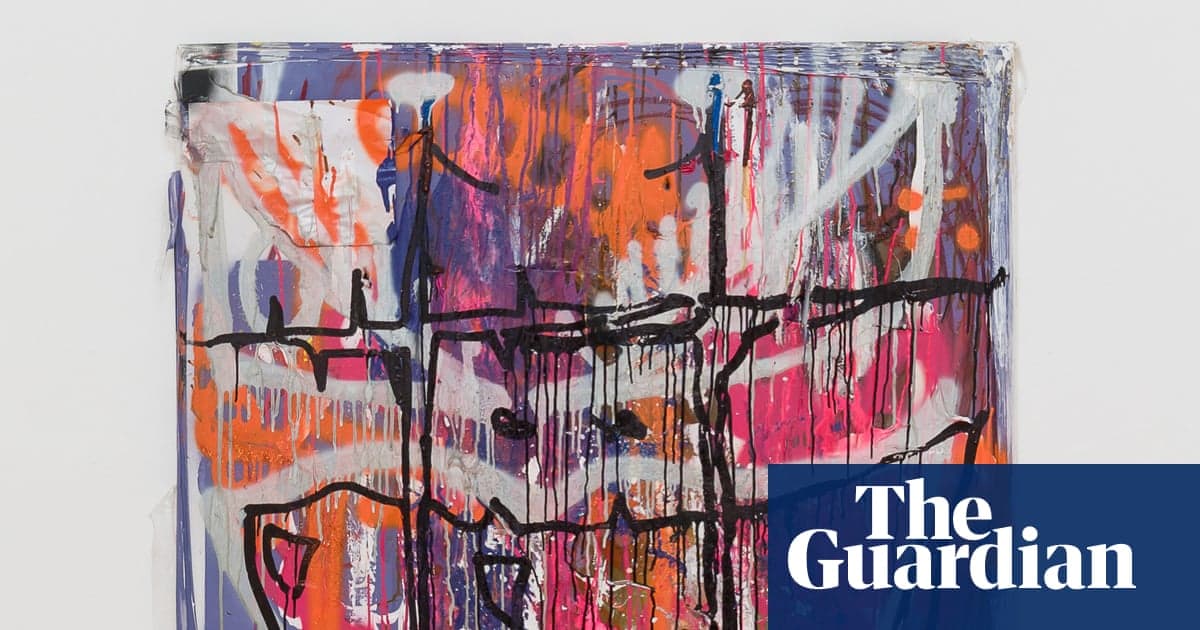
The "Angels" exhibition at London’s Institute of Contemporary Arts showcases canvases built from oil, acrylic, spray paint, glitter, latex and even melted plastic. Gherri’s technique—layering, over‑painting, and physically stabbing the surface—creates nightmarish yet luminous figures that she calls "mutants and angels," blending biblical wrath with post‑Darwinian mutation. By confronting personal violences through texture and color, the works function as a form of visual psychoanalysis, offering viewers a visceral glimpse into the artist’s healing journey. The show also positions Arca within a lineage of queer, transgender creators using institutional spaces to challenge normative aesthetics.
The artistic interlude is more than a personal catharsis; it signals a potential resurgence in Arca’s musical output. Ghersi hints that the therapeutic clarity gained on canvas will inform a new mixtape, suggesting that cross‑disciplinary practice can rejuvenate sonic innovation. For the music industry, her story underscores the importance of supporting mental‑health resources and encouraging artists to explore non‑musical outlets. As audiences increasingly value authenticity, Arca’s blend of sound, visual art, and identity politics may set a precedent for how creators sustain longevity in a hyper‑competitive market.
‘It was a way of processing violences I’ve survived’: how iconoclastic musician Arca beat burnout with frenzied painting
Comments
Want to join the conversation?
Loading comments...