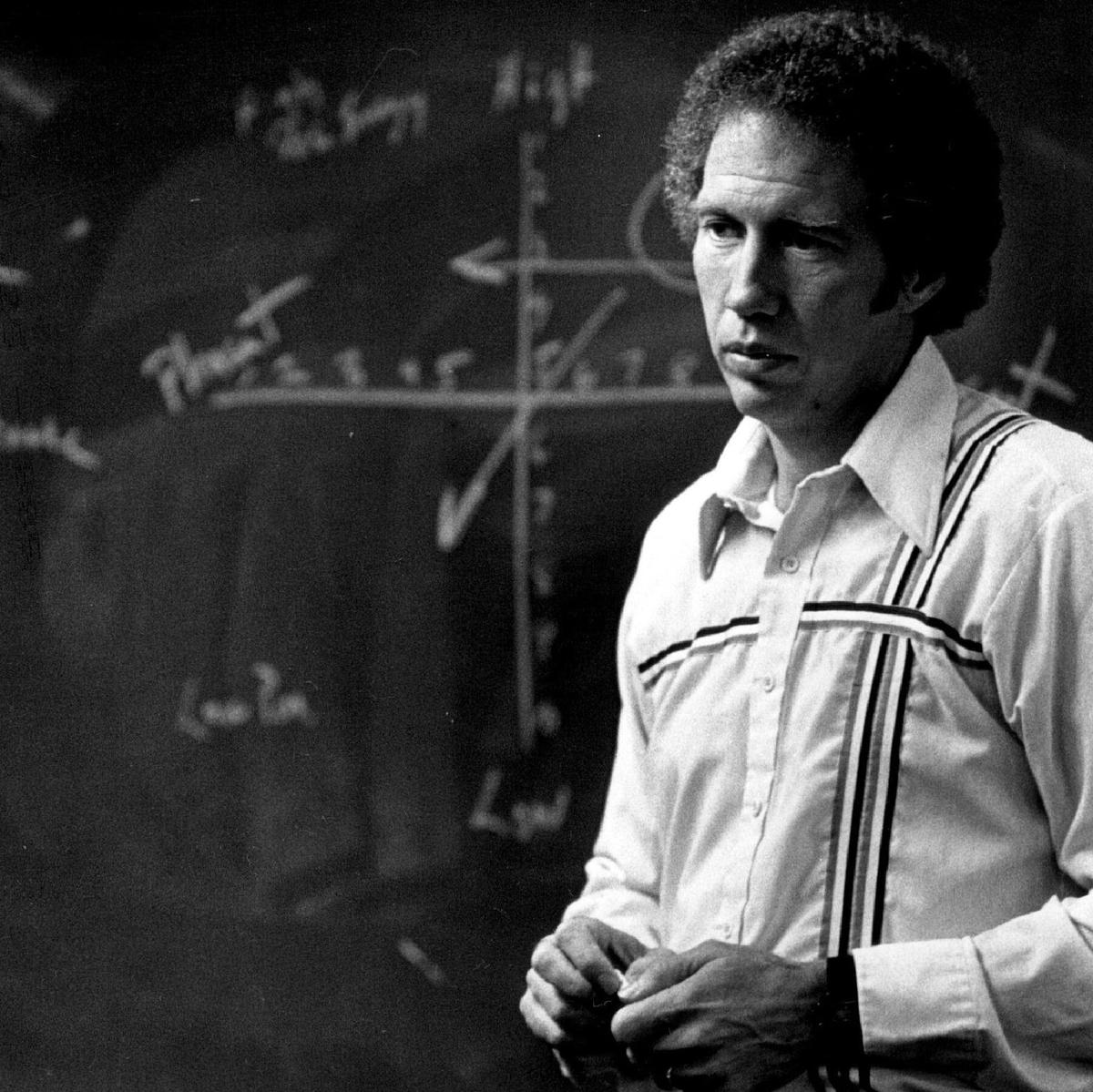
James Loehr, Sports Psychology Pioneer, Dies at 83
Why It Matters
Loehr’s early advocacy created the foundation for today’s multimillion‑dollar sports‑performance psychology market, improving both athlete outcomes and commercial opportunities for mental‑training services.
Key Takeaways
- •Loehr introduced mental coaching to U.S. athletes in late 1970s
- •Worked with stars across golf, NBA, boxing, speed skating
- •Faced cultural stigma; mental training seen as weakness then
- •Paved way for today's performance psychology industry
Pulse Analysis
When James Loehr entered the arena in the 1970s, American sports culture treated the mind as a secondary concern, relegating psychological support to the sidelines. Unlike the Soviet Union, which had a state‑sponsored program for mental conditioning, U.S. coaches dismissed emotional coaching as a sign of weakness. Loehr’s background in counseling allowed him to translate clinical techniques into sport‑specific drills, teaching athletes to reframe negative thoughts, manage anxiety, and visualize success—tools that were revolutionary for the era.
Loehr’s client roster reads like a Hall of Fame list: golfers John Daly and Mark O’Meara, NBA talents Grant Hill and Penny Hardaway, boxer Ray Mancini, and speed‑skater Dan Jansen. By integrating mental rehearsal, goal‑setting, and self‑talk into daily practice, he helped these athletes break performance plateaus and recover from setbacks. His approach demonstrated measurable gains—improved consistency, reduced choking incidents, and longer career longevity—prompting other coaches to adopt similar routines. Over time, the stigma faded, and sports organizations began allocating budgets for mental‑skill coaches, recognizing their ROI in win‑loss records and sponsorship value.
Today, the industry Loehr helped birth generates billions in revenue, with elite teams employing full‑time psychologists, and tech firms offering AI‑driven mental‑training apps. His legacy underscores a broader business lesson: investing in human performance psychology yields competitive advantage across sectors, from corporate leadership to esports. As athletes increasingly demand holistic support, the market for evidence‑based mental‑conditioning services will continue to expand, cementing Loehr’s influence on both sport and business innovation.
James Loehr, Sports Psychology Pioneer, Dies at 83
Comments
Want to join the conversation?
Loading comments...