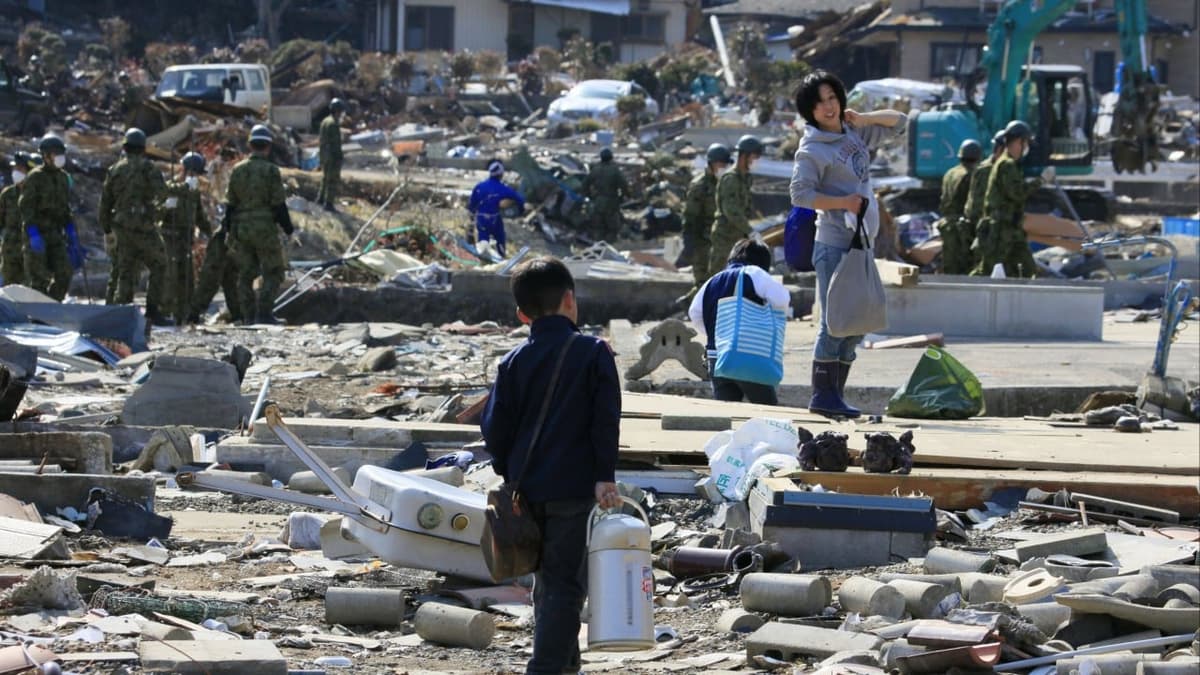
Japan’s ‘Ibasho’ Sense of Belonging Helps Disaster Survivors Heal, Study Finds
Why It Matters
Embedding ibasho‑style community support into disaster recovery can reduce chronic mental‑health issues and accelerate societal resilience, a critical insight for aging nations facing increasing climate‑related crises.
Key Takeaways
- •Ibasho fosters belonging, reducing loneliness among disaster-affected seniors.
- •Lancet study links community support to lower dementia symptoms post‑disaster.
- •Volunteer groups like Kaientai provide supplies and social interaction.
- •Cultivating ibasho can be replicated in global disaster recovery programs.
- •Recovery focus shifts from acute psychiatric care to community‑led support.
Pulse Analysis
The term _ibasho_—literally “a place where one belongs”—has long underpinned Japanese social cohesion, but its relevance surged after the 2011 magnitude‑9 earthquake and tsunami. In a society where more than a third of citizens are over 65, the loss of routine, purpose, and interpersonal ties can trigger rapid cognitive decline. By re‑establishing communal spaces and shared responsibilities, ibasho restores the predictability and dignity that older adults need to maintain mental health, turning tragedy into a catalyst for collective healing.
Tamune’s team examined neighborhoods around Soma, Ofunato, and Minamisoma, comparing dementia consultation rates before and after the disaster. Areas with organized ibasho initiatives—such as Kaientai’s hand‑cart supply runs and intergenerational gatherings—showed markedly fewer new dementia cases and higher scores on social‑functioning scales. The findings suggest that when seniors actively contribute to recovery, they experience a renewed sense of purpose that buffers against stress‑induced neurodegeneration. This evidence challenges the conventional focus on emergency psychiatric care, highlighting the therapeutic power of community‑driven engagement.
For policymakers worldwide, the study offers a blueprint: embed belonging‑centric programs into emergency response plans, especially in regions with aging populations. Training local volunteers, creating shared physical hubs, and encouraging older residents to lead recovery tasks can transform shelters from temporary refuges into platforms for long‑term resilience. While cultural nuances differ, the core principle—people need a place where they feel useful and connected—transcends borders, urging disaster agencies to shift resources from solely medical interventions toward sustainable, community‑led support structures.
Japan’s ‘ibasho’ sense of belonging helps disaster survivors heal, study finds
Comments
Want to join the conversation?
Loading comments...